
LVP vs Porcelain Tile: Best Kitchen Flooring 2026 | Durability & Comfort
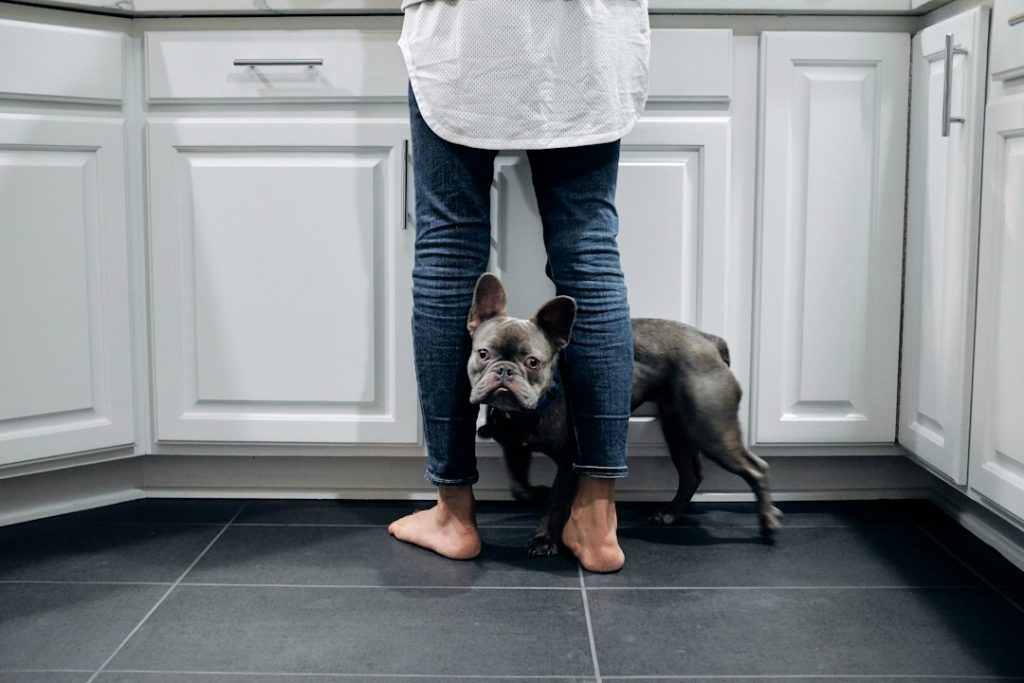
Kitchen flooring often faces a brutal trifecta: spills, heavy foot traffic, and dropped utensils. When it comes to balancing resilience with underfoot comfort, two materials consistently top homeowners’ lists: Luxury Vinyl Plank (LVP) and Porcelain Tile. But which one truly reigns supreme in the demanding environment of a kitchen? This deep dive cuts through the marketing hype to deliver an evidence-based comparison, equipping you with the facts to make the smartest choice for your home.
The Contenders: LVP and Porcelain Tile – An Overview
Before we pit them against each other, let’s understand what LVP and porcelain tile bring to the table. Both have carved out significant market share by promising distinct benefits, but their core compositions and manufacturing processes lead to vastly different performance characteristics.
Luxury Vinyl Plank (LVP): Pros, Cons, and Key Features
Luxury Vinyl Plank (LVP) is a multi-layered synthetic flooring product. Its construction typically includes a wear layer, a print layer (offering diverse design options), a vinyl core, and often a backing layer for stability and sound dampening. LVP has rapidly gained popularity due to its water resistance, ease of installation, and forgiving nature.
Pros of LVP
- Excellent water and stain resistance, ideal for kitchens.
- Softer and warmer underfoot compared to tile.
- DIY-friendly installation, often with click-lock systems.
- Generally more affordable than porcelain tile.
- Good scratch resistance, especially with higher wear layer ratings.
- Quieter underfoot due to its cushioning.
Cons of LVP
- Can be susceptible to deep gouges or punctures from very sharp or heavy objects.
- May fade over time with prolonged direct sunlight exposure.
- Not as dimensionally stable as tile in extreme temperature fluctuations.
- Repair often requires replacing entire planks or sections.
- Lower perceived resale value compared to natural materials or high-end tile.

Porcelain Tile: Pros, Cons, and Key Features
Porcelain tile is made from a dense, finely ground mixture of clay, feldspar, and quartz, fired at extremely high temperatures. This process results in a material that is exceptionally hard, durable, and impermeable to water. Its density and composition make it a robust choice for high-traffic and demanding areas like kitchens.
Pros of Porcelain Tile
- Exceptional durability, scratch, and chip resistance.
- Completely waterproof and highly stain-resistant.
- Resistant to fading from UV exposure.
- Can increase home resale value.
- Very long lifespan with proper installation and care.
- Available in a vast array of styles, mimicking natural stone, wood, and more.
Cons of Porcelain Tile
- Very hard and cold underfoot, can be uncomfortable for long periods.
- Can crack or chip if heavy objects are dropped on it.
- Installation is more labor-intensive and costly, often requiring professional help.
- Grout lines can be susceptible to staining and require regular maintenance.
- Can be slippery when wet if not properly textured.
- Can transmit sound, potentially leading to a noisier environment.
Head-to-Head Durability: Which Kitchen Flooring Stands the Test of Time?
Durability is paramount in a kitchen. We’ll break down the key factors that determine how well each flooring type holds up against the daily grind.
| Feature | Luxury Vinyl Plank (LVP) | Porcelain Tile |
|---|---|---|
| Scratch Resistance | Good to Very Good (depends on wear layer thickness, typically 6-30 mil) | Excellent (Mohs hardness scale of 7-8, but can chip at edges) |
| Water Resistance | Excellent (100% waterproof core is common) | Excellent (tile itself is impermeable; grout can be a weak point if unsealed) |
| Stain Resistance | Very Good (non-porous wear layer) | Excellent (tile body is non-porous) |
| Impact Resistance (Dropping Objects) | Fair to Good (can dent or gouge, less prone to shattering) | Good (can crack or chip upon significant impact) |
| UV Fade Resistance | Fair to Good (can fade over extended, direct sun exposure) | Excellent (highly resistant to UV rays) |
| Lifespan (Typical) | 10-25 years (with good care) | 50+ years (with proper installation and maintenance) |
Scratch and Dent Resistance: Battle of the Surfaces
Porcelain tile, with its inherent hardness (rated 7-8 on the Mohs scale), generally offers superior resistance to scratches from everyday objects like pet claws or dragging chairs. However, its rigidity means a sharp, heavy object dropped directly onto it is more likely to cause a chip or crack. LVP, particularly options with thicker wear layers (e.g., 20 mil or higher), provides good scratch resistance. While it can be gouged or dented by extremely sharp objects or heavy furniture with small, concentrated points of pressure, it’s less prone to outright shattering than tile.
Water and Stain Proofing: Kitchen Spills and Splashes
Both materials excel in this arena, making them prime candidates for kitchens. High-quality LVP typically features a 100% waterproof core and a resilient wear layer, making it impervious to spills. Porcelain tile itself is non-porous and waterproof. The critical factor here is the grout. Ungrouted or properly sealed grout lines are essential to prevent staining and water seeping into the subfloor. For maximum protection, opt for epoxy grout or ensure regular sealing of cementitious grout.

Impact Resistance: Dropped Pans and Heavy Objects
This is where porcelain tile’s hardness becomes a double-edged sword. While it resists scratches, it’s more brittle than LVP. A dropped cast-iron skillet or heavy ceramic dish is a significant threat to porcelain, potentially leading to chips or cracks that require repair. LVP, being more flexible and having a cushioning layer, tends to absorb some of the impact. It might dent or scratch under such an event, but the risk of a complete fracture is lower.
Long-Term Wear and Tear: Foot Traffic and Aging
In high-traffic areas, both materials perform well, but their aging processes differ. Porcelain tile, if properly installed, can last for decades with minimal visual degradation, barring chips or cracks. Its color is consistent throughout the material, so scratches don’t reveal a different underlying color. LVP’s wear layer is crucial here. A thicker wear layer (e.g., 20 mil+) will resist scuffing and wear much better than thinner options. Over many years, heavy foot traffic can eventually wear down the visual print layer on lower-quality LVP, and prolonged sunlight exposure can cause fading.
Comfort Underfoot: Evaluating the Ergonomic Difference
Beyond resilience, how a floor feels to walk and stand on is a critical consideration, especially in a space like the kitchen where you might spend significant time.
Feel and Firmness: Standing All Day in the Kitchen
Porcelain tile is notoriously hard. Standing for extended periods, like while prepping meals or washing dishes, can lead to foot, leg, and back fatigue. Many people find they need to use anti-fatigue mats in front of sinks and prep areas with tile floors. LVP, by contrast, offers a noticeably softer and more yielding surface due to its vinyl core and cushioning layers. This makes it significantly more comfortable for standing and walking for long durations.
Temperature Fluctuations: Cold Feet vs. Warmth
Porcelain tile has high thermal conductivity, meaning it quickly absorbs and retains the ambient temperature of the room. In cooler climates or during winter, this can make the floor feel very cold underfoot, often necessitating radiant floor heating systems, which add considerable cost and complexity. LVP is a much better thermal insulator. It stays closer to room temperature and feels warmer underfoot, making it more comfortable in unheated conditions and a good choice for homes without underfloor heating.
Sound Absorption: Noise Reduction in a Busy Kitchen
The hardness and density of porcelain tile can contribute to noise. Footsteps, dropped items, and even the clatter of daily kitchen activities can echo and amplify. LVP, with its layered construction including a vinyl core and often an attached underlayment, provides superior sound dampening. It absorbs impact sound, making the kitchen a quieter, more peaceful environment, especially in multi-story homes.

Aesthetic Appeal and Design Versatility
While function is key, the look of your kitchen floor significantly impacts the overall design and feel of your home.
Visual Styles: Mimicking Natural Materials and Beyond
Both LVP and porcelain tile offer a vast array of design possibilities. Porcelain tile has long been the standard for mimicking natural stone (marble, slate, travertine) and wood with incredible realism, often indistinguishable from the real thing at first glance. Its large format capabilities allow for expansive, dramatic looks. LVP has made huge strides in realism, with high-definition printing and textured surfaces that convincingly replicate wood grain, stone patterns, and even concrete. The range of colors, styles, and finishes available in both categories is extensive, ensuring a match for virtually any aesthetic.
Installation Complexity and Cost Factors
This is a significant differentiator. LVP is renowned for its DIY-friendliness. Many LVP products feature a click-lock installation system that allows planks or tiles to snap together, often installed as a floating floor over existing surfaces. This dramatically reduces labor costs. Porcelain tile installation is far more complex and labor-intensive. It requires precise cutting, a level subfloor, thin-set mortar, and grouting. Professional installation is highly recommended and contributes significantly to the overall cost.
Maintenance Requirements: Cleaning and Upkeep
In terms of daily cleaning, both are relatively easy. Regular sweeping or vacuuming followed by a damp mop is sufficient. LVP is non-porous, so spills wipe up easily without worry of absorption. The main maintenance concern for porcelain tile lies in the grout. Unsealed or improperly sealed grout can absorb stains and require periodic deep cleaning or resealing. Some modern grout options (like epoxy) offer superior stain resistance. For routine cleaning, both are low-maintenance, but the grout lines add a layer of complexity to tile maintenance.
Real-World Performance: Expert Insights and User Experiences
Beyond specifications, how do these materials perform in actual kitchens over time? Consulting user feedback and expert analysis reveals common patterns.
Evidence Notes:
LVP: Users report high satisfaction with its comfort and water resistance, especially in busy family kitchens. Common complaints sometimes arise with very low-quality products showing wear prematurely or issues with buckling in extreme temperature swings if not installed correctly with expansion gaps. Durability is strongly tied to the wear layer rating; homeowners with pets and kids often prioritize 20 mil or higher.
Porcelain Tile: Homeowners praise its longevity and aesthetic versatility. Frequent feedback points to the discomfort of standing on hard, cold surfaces and the maintenance challenges of grout. Cracking from dropped items is a recurring concern, often leading to expensive spot repairs or full replacement of affected areas.
High-Traffic Kitchen Case Studies
In homes with constant foot traffic, young children, and pets, LVP’s resilience and forgiving nature often make it a preferred choice. Its ability to withstand spills and mud tracked in from outdoors, combined with its comfort, simplifies daily life. For kitchens that are more showpieces than workhorses, or in homes where extreme longevity and premium aesthetic are paramount, porcelain tile remains a strong contender, especially when paired with underfloor heating.
Common Failure Points and How to Avoid Them
LVP: Failure often stems from improper installation (lack of expansion gaps leading to buckling), exposure to excessive direct sunlight causing fading or warping, or damage from extremely sharp/heavy objects. Correct installation according to manufacturer guidelines and choosing a product with an adequate wear layer are key preventative measures.
Porcelain Tile: The most common failures are chipped or cracked tiles due to impact. Grout staining or cracking can also be problematic. Using high-quality thin-set and grout, ensuring proper subfloor preparation, and being mindful of potential impact points can mitigate these issues. Sealing grout regularly is crucial for stain prevention.
Making the Right Choice for Your Kitchen: Key Decision Factors
The “best” flooring depends entirely on your priorities. Here’s a breakdown to guide your decision.
Prioritizing Durability: When LVP Shines
If your primary concern is resisting everyday wear, scratches, and water damage in a very active household, LVP is an excellent choice. Its robust wear layers can handle significant abuse, and its inherent waterproof nature makes it nearly foolproof against spills. It’s particularly well-suited for families with young children and pets who need a floor that can take a beating and still look good.
Prioritizing Comfort: When Porcelain Takes the Lead
For those who value underfoot comfort above all else, LVP is the clear winner. Its softer, warmer feel is a significant advantage, reducing fatigue and making the kitchen a more pleasant place to spend time. If you plan on installing radiant heating, the coldness of porcelain becomes less of an issue, but the inherent hardness remains.
Budget Considerations: Initial Cost vs. Lifetime Value
LVP generally has a lower upfront cost, both for the material and installation. This makes it a more accessible option for many budgets. Porcelain tile has a higher material cost and significantly higher installation costs due to the labor involved. However, porcelain tile’s extremely long lifespan (50+ years) can offer excellent long-term value, potentially outlasting multiple LVP installations over the same period. Calculate the cost per year to get a true lifetime value comparison.
LVP Installation Cost: $2 – $5 per sq ft (DIY possible)
Porcelain Tile Material Cost: $3 – $15+ per sq ft
Porcelain Tile Installation Cost: $5 – $15+ per sq ft (Professional recommended)
Installation & DIY Friendliness
For the DIY enthusiast, LVP is almost always the easier path. Click-lock systems and floating installation methods simplify the process considerably. Porcelain tile installation is a skilled trade; attempting it without experience often leads to subpar results and costly mistakes. If you’re looking to save on installation costs through DIY efforts, LVP is the way to go.
Making the Final Call: The Verdict
Choosing between LVP and porcelain tile for your kitchen involves weighing their distinct strengths and weaknesses against your specific needs and lifestyle. There isn’t a single “best” option, but rather the best option for *you*.

Frequently Asked Questions: LVP vs. Porcelain Tile for Kitchens
Can LVP withstand heavy kitchen appliances?
Yes, LVP can generally withstand heavy kitchen appliances. However, very heavy items placed on small, pointed legs (like some refrigerators or ranges) can cause dents over time if the LVP has a softer core or thin wear layer. Using appliance rollers or placing protective pads underneath can mitigate this risk. Ensure the LVP chosen has a good wear layer rating (20 mil or higher is recommended for kitchens).
Is porcelain tile too cold and hard for a kitchen?
For many people, yes, porcelain tile can feel too cold and hard for extended standing in a kitchen, especially in cooler climates or homes without underfloor heating. Its hardness can also lead to fatigue. Anti-fatigue mats are often necessary for comfort.
Which is better for resale value?
Traditionally, porcelain tile has been perceived to add more resale value due to its perceived luxury, durability, and long lifespan. However, high-quality LVP that convincingly mimics natural materials is increasingly seen as a desirable and practical flooring choice that does not detract from value and may even be preferred for its comfort and lower maintenance by some buyers.
How do the costs compare over 10 years?
Over a 10-year period, LVP might require replacement once or twice depending on quality and wear, with material and installation costs each time. Porcelain tile, with its potential 50+ year lifespan, would likely incur only its initial installation cost. If the porcelain tile lasts the full 10 years without significant damage, its total cost of ownership could be lower than multiple LVP installations. However, if a porcelain tile floor cracks and requires partial replacement within 10 years, the repair costs can be substantial, potentially making LVP a more predictable long-term investment.
👑 Ultimate Winner: Depends on Priority
For the active, busy family prioritizing comfort, ease of installation, and a forgiving surface against spills and drops: Luxury Vinyl Plank (LVP) is often the more practical and comfortable choice. Its waterproof nature, softer feel, and DIY-friendly installation make it ideal for a high-functioning kitchen. Look for options with a minimum 20 mil wear layer.
For the homeowner who values extreme longevity, pristine aesthetics, resistance to heavy wear (but not necessarily impact), and is willing to invest in professional installation and potentially underfloor heating: Porcelain Tile offers unparalleled durability and a classic, premium look that can last a lifetime. It’s best suited for kitchens where the aesthetic and long-term material integrity are paramount, and underfoot comfort can be supplemented with mats or heating.