
Best Quiet Toilet Fill Valves & Flappers (2026) To Silence Tanks
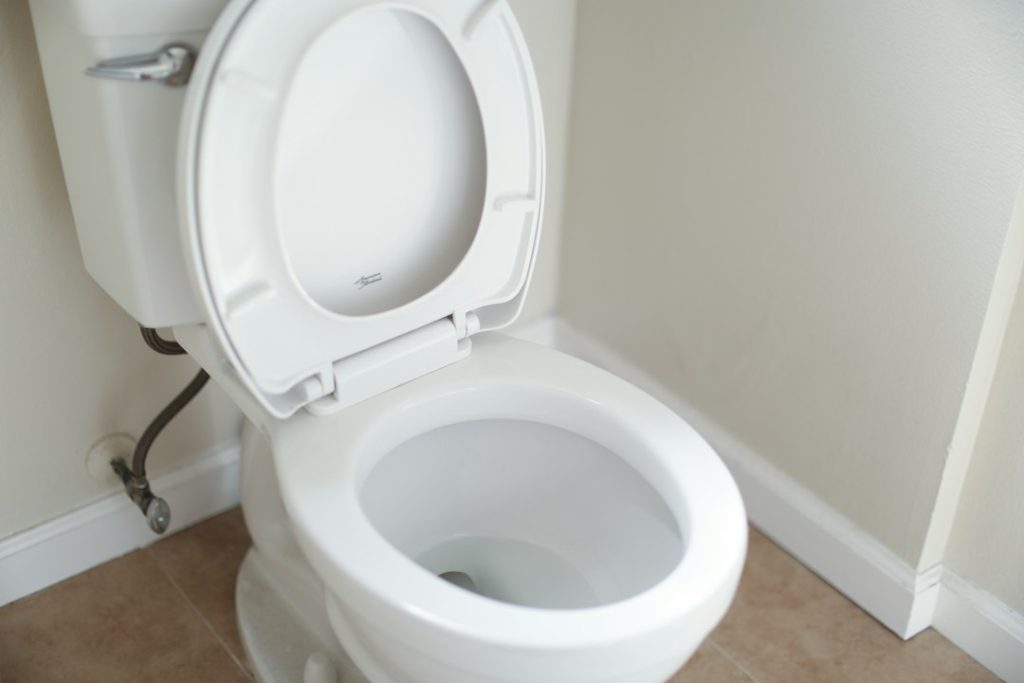
A constantly running or gurgling toilet is more than just an annoyance; it’s a silent drain on your water bill and a harbinger of potential plumbing issues. The culprits are often found within the tank itself – specifically, the fill valve and the flapper. These humble components, responsible for refilling the tank and sealing the bowl, can become sources of persistent noise if they’re worn, incompatible, or simply not designed for quiet operation. This guide dives deep into the mechanics of toilet tank noise and rigorously reviews the top-performing quiet fill valves and flappers on the market, arming you with the knowledge to reclaim the tranquility of your bathroom.
| Product | Type | Noise Level | Durability | Ease of Installation | Price Range |
|---|---|---|---|---|---|
| Korky Quiet Fill | Fill Valve | Extremely Quiet | Good | Moderate | $15 – $25 |
| Fluidmaster 400A | Fill Valve | Quiet | Excellent | Easy | $10 – $20 |
| Toto TSU0305 | Fill Valve | Very Quiet | Excellent | Moderate | $30 – $50 |
| Plumb Pak Korky 2007 | Fill Valve | Quiet | Good | Very Easy | $10 – $20 |
| Korky Red Flapper | Flapper | Eliminates Running | Good | Easy | $5 – $10 |
| Fluidmaster KLX | Flapper | Eliminates Running | Very Good | Easy | $10 – $15 |
| Fluidmaster Duo-Fit | Flapper | Eliminates Running | Good | Easy | $8 – $12 |
| Toto Flapper | Flapper | Eliminates Running | Excellent | Moderate | $15 – $25 |
Why Does My Toilet Tank Make Noise? Understanding the Culprits
Before we dive into silencing solutions, it’s crucial to understand what causes those disruptive toilet tank noises. Most issues stem from either the water pressure dynamics within your system or the wear and tear on internal components.
Common Causes of Noisy Toilet Tanks
A symphony of gurgles, hisses, and whistles emanating from your toilet tank can be traced to several common culprits. High water pressure is a frequent offender, forcing water too rapidly into the tank and causing turbulence that translates into noise. This can also exacerbate wear on other parts. Conversely, low water pressure might lead to incomplete fills and prolonged fill valve operation, generating a constant hiss. Sediment buildup within the tank and fill valve can obstruct water flow, leading to erratic noises. A worn-out or improperly seated flapper is another major source of noise, often causing a phantom leak that keeps the fill valve engaged to compensate, resulting in a continuous, low hum or hiss. Finally, simple aging and deterioration of the rubber or plastic components within the tank are inevitable and often lead to leaks and subsequent noise.
The Role of Fill Valves and Flappers in Toilet Noise
The fill valve, often a cylindrical plastic unit, is responsible for refilling the tank after each flush and shutting off the water supply when the correct level is reached. If this valve is damaged, clogged, or improperly adjusted, it can hiss, buzz, or whir loudly during the fill cycle, or even fail to shut off completely, leading to a continuous running sound. The flapper, a rubber or plastic seal at the bottom of the tank, is designed to hold water in the tank until you flush. When it degrades, warps, or its chain becomes too tight or too loose, it can allow water to slowly leak into the bowl. This constant trickle triggers the fill valve to intermittently (or continuously) replenish the lost water, creating a cycle of noise and water waste. Therefore, addressing both the fill valve and the flapper is essential for a truly silent toilet tank.
Top Picks: Best Quiet Toilet Fill Valves for a Silent Flush (2026)
The fill valve is the primary regulator of water entering your toilet tank. Choosing a model specifically designed for quiet operation can dramatically reduce tank noise. We’ve evaluated several leading options based on their noise reduction capabilities, durability, and ease of installation.
Korky Quiet Fill
⚙️ Mechanism: Float-based, Water-
🔊 Noise Rating: Extremely Quiet
👍 Pros
- Significantly reduces the typical hissing and gurgling sounds.
- Advanced design minimizes water hammer.
- Made from durable, corrosion-resistant materials.
- Universal fit for most 1-piece and 2-piece toilets.
👎 Cons
- Can be slightly more expensive than basic models.
- Installation may require a bit more precision for optimal quietness.
The Korky Quiet Fill utilizes proprietary Water-to-Water technology, which aims to eliminate the “water hammer” effect and reduce the noise associated with water entering the tank. Its design focuses on controlled water flow, ensuring a smooth, quiet refill process. Reviews consistently praise its effectiveness in silencing noisy tanks, often noting a near-silent operation. Material composition includes ABS plastic and rubber seals, known for their longevity in water applications.
The Korky Quiet Fill stands out as a top contender for homeowners seeking a truly silent toilet tank. Its innovative design targets the primary sources of noise during the refill cycle. Unlike traditional ballcock mechanisms that can create a forceful rush of water, the Quiet Fill regulates flow more gently, drastically reducing the common hiss. This not only contributes to a peaceful bathroom environment but also helps prevent water hammer, a phenomenon that can cause banging noises throughout your plumbing system. Its universal fit makes it a practical choice for a wide range of toilet models, simplifying the replacement process. While it commands a slightly higher price point than basic fill valves, the significant reduction in noise and potential for water savings often justify the investment.

Fluidmaster 400A
⚙️ Mechanism: Float-based, Anti-siphon design
🔊 Noise Rating: Quiet
👍 Pros
- Excellent water flow control for quiet filling.
- Durable construction built to last.
- Easy to install with clear instructions.
- Affordable price point.
- Built-in anti-siphon prevents water contamination.
👎 Cons
- May not be as whisper-quiet as some specialized models.
- The plastic housing, while durable, might degrade over decades.
The Fluidmaster 400A is one of the most popular and widely used fill valves globally. Its anti-siphon design ensures compliance with plumbing codes and prevents backflow. The valve’s simple yet effective float mechanism controls water entry, offering a noticeable reduction in noise compared to older, noisier ballcocks. Its robust construction, typically ABS plastic and Santoprene rubber seals, contributes to its reputation for longevity and reliability. Numerous plumbing professionals recommend it for its balance of performance, durability, and cost-effectiveness.
The Fluidmaster 400A has earned its reputation as a go-to replacement fill valve for good reason. It strikes an exceptional balance between performance, durability, and affordability, all while delivering a significantly quieter flush experience than stock components. Its anti-siphon design is a critical feature, ensuring water safety, and its straightforward operation means less chance for mechanical issues that cause noise. While it might produce a faint sound during filling, it’s generally a smooth, controlled sound that fades quickly, a stark contrast to the loud gurgling or hissing of worn-out valves. For DIYers, its ease of installation is a major plus, often taking less than 30 minutes with basic tools. The 400A is a reliable workhorse that brings quiet operation without breaking the bank.
Toto TSU0305
⚙️ Mechanism: Float-based, High-efficiency design
🔊 Noise Rating: Very Quiet
👍 Pros
- Engineered for exceptionally quiet operation.
- High-quality materials for superior durability.
- Precision engineering ensures reliable performance.
- Direct replacement for many Toto toilets, but often fits others.
👎 Cons
- Higher price point compared to other universal options.
- Installation might be slightly more complex due to precise adjustments.
Toto is renowned for its commitment to quality and user experience, and their fill valves are no exception. The TSU0305 is designed with precision to ensure minimal noise during the refill cycle. It utilizes high-grade plastics and rubber components that resist degradation from water and chemicals. While often specified for Toto toilets, its universal design principles allow it to function effectively in many other brands. User feedback frequently highlights its quiet operation and long lifespan, positioning it as a premium, albeit pricier, solution.
For those who prioritize near-silent operation and are willing to invest a bit more, the Toto TSU0305 fill valve is an outstanding choice. Toto’s engineering prowess is evident in the valve’s design, which focuses on smooth, controlled water delivery to the tank. This precision minimizes turbulence and the associated noises that plague lesser fill valves. The quality of materials used in its construction suggests a long service life, reducing the frequency of replacements and associated hassle. While it might be overkill for a budget-conscious replacement, if your primary goal is to eliminate every possible sound from your toilet tank and ensure long-term reliability, the TSU0305 is a compelling option that lives up to the Toto name.
Plumb Pak Korky 2007
⚙️ Mechanism: Float-based
🔊 Noise Rating: Quiet
👍 Pros
- Very simple to install, ideal for beginners.
- Effective at reducing common toilet tank noises.
- Budget-friendly option.
- Fits most 1-piece and 2-piece toilets.
👎 Cons
- May not be as durable as higher-end models in the long run.
- Noise reduction is good, but not entirely silent for all users.
The Plumb Pak Korky 2007 is essentially a more accessible version of Korky’s popular designs. It offers reliable performance and noise reduction at a lower cost. The design prioritizes ease of installation, often featuring a twist-and-lock mechanism or simple threaded connections. While constructed from standard ABS plastic, it’s designed to meet typical performance standards for residential toilets. Its widespread availability and user-friendly design make it a popular choice for quick, cost-effective toilet repairs.
For the DIY enthusiast or anyone looking for a straightforward, budget-friendly solution to a noisy fill valve, the Plumb Pak Korky 2007 is an excellent candidate. Its primary advantage lies in its simplicity – both in terms of its operation and its installation. Many users report that it installs in minutes, often without needing specialized tools. While it might not achieve the absolute whisper-quiet operation of premium models, it effectively dampens the typical hissing and gurgling sounds associated with older or failing fill valves. This makes it a significant upgrade for most households seeking a quieter bathroom experience without a substantial financial commitment. Its widespread availability further cements its position as a go-to option for many.
Top Picks: Best Quiet Toilet Flappers for Eliminating Running Toilets (2026)
A leaky flapper is a common, yet often overlooked, cause of continuous toilet noise. When the flapper doesn’t create a proper seal, water constantly trickles into the bowl, forcing the fill valve to run intermittently or non-stop. Replacing an old, worn-out flapper with a quality, quiet-sealing model is crucial for both peace and water conservation.
Korky Red Flapper
⚙️ Material: Rubber with rigid, quick-release overflow chain
💧 Seal: Tight, leak-preventing seal
👍 Pros
- Effectively stops phantom leaks that cause running toilets.
- Durable rubber construction resists chlorine and hard water.
- Easy to install with a universal fit.
- Affordable and widely available.
👎 Cons
- The chain mechanism might require slight adjustment for some toilets.
- May not be as durable as some specialized, heavy-duty flappers.
The Korky Red Flapper is a staple in the plumbing industry, known for its reliability and effectiveness in sealing toilet bowls. Its rubber composition is formulated to withstand common water treatment chemicals found in municipal water supplies, which can degrade lesser flappers. The rigid chain design prevents tangling and ensures a more consistent drop, promoting a better seal. Its universal design means it’s compatible with most standard toilets, making it a go-to replacement part for plumbers and homeowners alike.
When a toilet runs constantly, the flapper is often the prime suspect. The Korky Red Flapper is a highly effective and economical solution to this common problem. Its primary function is to create a watertight seal at the bottom of the tank, preventing the slow leak that keeps the fill valve engaged. The durable rubber compound used in its construction is resistant to degradation, ensuring a long service life even in areas with treated water. Installation is typically straightforward, involving clipping the flapper onto the overflow tube and adjusting the chain length. For most users, this simple replacement stops the running toilet noise immediately, offering a significant improvement in bathroom tranquility and water conservation for a minimal cost.
Fluidmaster KLX
⚙️ Material: Durable rubber seal with rigid frame
💧 Seal: Quick-response, leak-free seal
👍 Pros
👍 Pros
- Innovative no-chain design eliminates chain-related issues.
- Provides a solid, leak-proof seal.
- Quick and easy installation.
- Durable construction.
👎 Cons
- Slightly higher price than traditional chain flappers.
- May not fit exceptionally old or unusually designed toilet tanks.
The Fluidmaster KLX flapper represents a modern approach to a classic toilet component. By eliminating the chain, it removes a common point of failure and adjustment hassle. The flapper directly connects to a sealing post, ensuring a consistent and reliable seal. Its rigid frame helps maintain its shape, and the durable rubber material ensures longevity. This design is particularly effective at preventing leaks that lead to continuous fill valve operation.
Fluidmaster’s KLX flapper takes a novel approach to solving the problem of running toilets. By ditching the traditional chain, it eliminates the common issues of slack, excessive tension, or entanglement that can plague standard flappers. This “no-chain” design utilizes a rigid frame that engages directly with a sealing post in the flush valve assembly, creating a precise and dependable seal. The result is a consistently leak-free performance that stops water from running into the bowl. Installation is remarkably simple, often requiring just a few clicks to secure it in place. While it might cost a bit more than basic flappers, the enhanced reliability and ease of use make the KLX a worthwhile upgrade for eliminating toilet noise and water waste.

Fluidmaster Duo-Fit
⚙️ Material: Rubber seal with adjustable frame
💧 Seal: Customizable fit for various flush valve types
👍 Pros
- Adjustable frame fits a wider range of flush valve sizes.
- Durable rubber and plastic construction.
- Effectively stops leaks and running toilets.
- Good value for money.
👎 Cons
- Adjustment mechanism, while useful, adds slight complexity.
- Chain may still require some tuning.
The Fluidmaster Duo-Fit is designed with versatility in mind. Its adjustable frame allows it to adapt to different flush valve seat designs, which can vary between toilet manufacturers and ages. This adaptability makes it a reliable choice for older toilets where finding a precise fit can sometimes be challenging. The combination of a durable rubber seal and a robust frame ensures a good seal and longevity. It’s a practical solution for those uncertain about their toilet’s specific requirements.
For older toilets or situations where a standard universal flapper doesn’t seem to quite seal correctly, the Fluidmaster Duo-Fit offers a solution. Its key feature is an adjustable frame that can be modified to better match the contours of various flush valve seats. This adaptability is invaluable, as even a slight gap can lead to a persistent trickle of water and the resulting noise from the fill valve. The Duo-Fit combines this customizable fit with durable materials, ensuring it can effectively stop leaks and provide reliable service. While it might require a few extra moments to adjust compared to a completely fixed flapper, the effort is often well worth it for achieving a truly silent and water-efficient toilet.
Toto Flapper
⚙️ Material: High-grade rubber
💧 Seal: Precise, durable seal
👍 Pros
- Designed for optimal performance with Toto toilets.
- Exceptional durability and long lifespan.
- Ensures a tight seal to prevent leaks.
- High-quality materials resist degradation.
👎 Cons
- More expensive than universal flappers.
- Primarily designed for Toto toilets; fit may vary on other brands.
As with their fill valves, Toto’s flappers are built to exacting standards. This specific flapper is often designed to be a direct replacement for Toto toilet models, ensuring perfect compatibility and performance. The rubber compound is typically robust, offering excellent resistance to the harsh chemicals often found in toilet bowl cleaners and water treatment. This contributes to a longer service life compared to generic alternatives. The precision in its design ensures a consistent and leak-free seal after each flush.
If you own a Toto toilet, using a genuine Toto flapper is often the best way to guarantee quiet operation and long-term reliability. These flappers are engineered specifically for Toto’s flush valve systems, ensuring a perfect fit and seal that generic replacements might struggle to achieve. The high-quality rubber construction means it’s built to last, resisting the wear and tear that can lead to leaks and the subsequent noise from the fill valve. While they come at a premium price, the peace of mind and dependable performance they offer, especially for those seeking to eliminate every trace of toilet noise, make them a worthwhile consideration for Toto toilet owners.
How to Choose the Right Quiet Toilet Fill Valve and Flapper for Your Tank
Selecting the correct replacement parts is paramount for ensuring quiet operation and preventing future issues. It’s not as simple as grabbing the first part you see; understanding your toilet and the available options will lead to a better, quieter outcome.
Identifying Your Toilet’s Make and Model
The most crucial step is to identify the manufacturer and model of your toilet. This information is usually found stamped on the back of the tank lid or inside the tank on the back wall. Brands like Kohler, American Standard, Toto, and Glacier Bay all have distinct designs. Knowing your model helps determine if you need a universal part or a specific one designed for that brand, especially for flappers. If the brand is elusive, measure the existing flush valve seal diameter and the height of the overflow tube to select the correct universal replacement.
Understanding Different Fill Valve and Flapper Types
Fill Valves: The most common type is the float-cup fill valve (like the Fluidmaster 400A or Korky Quiet Fill), which uses a buoyant cup that rises with the water level to shut off flow. Older toilets might have a ballcock-style fill valve with a float ball on a metal arm; these are generally noisier and less efficient. Specialized quiet-fill valves often employ advanced designs to control water entry more smoothly.
Flappers: Standard universal flappers (like the Korky Red or Fluidmaster Duo-Fit) are rubber or plastic seals with a chain. They are designed to fit most toilets. “No-chain” flappers (like the Fluidmaster KLX) offer a more modern, chain-free mechanism. Some flappers are specifically designed for certain flush valve seat types or older toilets, often featuring adjustable frames for a better fit.
Key Features to Look for in Quiet Toilet Components
For Fill Valves: Look for terms like “quiet,” “silent,” “water-saving,” or “anti-siphon” (which is standard for code compliance and also contributes to controlled flow). Check for features that minimize water hammer and ensure smooth water entry. Materials like durable ABS plastic and quality rubber seals are important for longevity and consistent performance.
For Flappers: Prioritize a tight, leak-proof seal. Materials resistant to chlorine and hard water extend the life of the flapper. For noise reduction, the key is preventing leaks that keep the fill valve running. Features like rigid frames, adjustable designs, or chain-free mechanisms can enhance reliability and quietness. Universality is key unless you know your specific toilet model requires a dedicated part.
Installation Guide: Silencing Your Toilet Tank
Replacing a fill valve and flapper is a manageable DIY project that can save you money and significantly reduce bathroom noise. Ensure you have basic tools like an adjustable wrench, a sponge, towels, and possibly a bucket.
Step-by-Step Fill Valve Replacement
- Turn Off Water Supply: Locate the shut-off valve on the wall behind or beside the toilet and turn it clockwise until fully closed.
- Flush Toilet: Flush the toilet to drain most of the water from the tank. Use a sponge or towel to soak up any remaining water at the bottom.
- Disconnect Supply Line: Use an adjustable wrench to disconnect the water supply line from the bottom of the fill valve shank. Have a towel ready for minor drips.
- Remove Old Fill Valve: Inside the tank, locate the lock nut or mounting nut securing the fill valve to the tank. Unscrew this nut (usually counter-clockwise). Lift the old fill valve out of the tank.
- Install New Fill Valve: Place the new fill valve into the tank opening from the inside. Ensure the overflow tube is positioned correctly. Secure the new valve from underneath the tank with its provided lock nut. Tighten firmly but avoid over-tightening, which could crack the tank.
- Reconnect Supply Line: Reattach the water supply line to the threaded shank of the new fill valve. Tighten with a wrench.
- Turn Water On & Test: Slowly turn the water supply valve back on (counter-clockwise). Check for leaks at the supply line connection and around the base of the fill valve inside the tank. Let the tank fill. Listen for unusual noises and check that the fill valve shuts off completely at the correct water level. Adjust the float mechanism if necessary according to the manufacturer’s instructions.
Step-by-Step Flapper Replacement
- Turn Off Water Supply & Flush: As with fill valve replacement, turn off the water supply and flush the toilet to empty the tank. Sponge out remaining water.
- Remove Old Flapper: Unhook the chain from the flush lever arm. Detach the old flapper from the flush valve overflow tube posts (usually by pulling it off the ears or posts).
- Install New Flapper: Attach the new flapper to the flush valve posts. If using a chain-style flapper, connect the chain to the flush lever arm. Adjust the chain so it has only a slight amount of slack (about 1/2 inch) when the flapper is seated. Too much slack prevents a good seal; too little prevents the flapper from closing fully. For no-chain flappers, follow their specific installation instructions, typically involving clipping directly to a post.
- Turn Water On & Test: Turn the water supply back on slowly. Let the tank fill. Listen for any running or trickling sounds. Flush the toilet and observe if the flapper seals properly and the fill valve shuts off completely. Re-adjust the chain or flapper position if necessary.
Troubleshooting Common Installation Issues
- Leaking at Fill Valve Base: Ensure the lock nut is tight and the gasket is properly seated. Check for cracks in the tank opening.
- Fill Valve Won’t Shut Off: Check if the float is obstructed or improperly adjusted. Ensure the water level isn’t set too high, causing water to spill into the overflow tube. Verify the valve is the correct type for your tank height.
- Hissing/Whistling from Fill Valve: This could be normal during filling, but excessive noise might indicate high water pressure or a faulty valve. Consider a pressure-reducing valve for your home if pressure is consistently over 80 PSI.
- Toilet Still Runs After Flapper Replacement: The new flapper chain might be too long, or the flapper itself might not be seating correctly. Check for obstructions on the flush valve seat. Ensure you have the correct flapper type for your toilet.
- Noisy Flush Lever Action: This is less common but can occur if the flush lever arm is hitting components inside the tank. Adjust its position or consider replacing the lever if damaged.

Beyond the Basics: Advanced Tips for a Quieter Bathroom
While replacing the fill valve and flapper are the most impactful steps, a few other factors can contribute to or alleviate toilet tank noise.
Checking Water Pressure and Its Impact
Household water pressure typically ranges from 40 to 60 PSI. Pressures above 80 PSI are considered high and can not only cause noise (including hammering and whistling) but also damage plumbing fixtures and appliances over time. If you suspect high water pressure is contributing to your toilet’s noise, you can test it with a simple water pressure gauge available at hardware stores. If pressure is too high, installing a Pressure Reducing Valve (PRV) on your main water line is the most effective solution. This device regulates incoming pressure to a safe and consistent level, benefiting all your plumbing fixtures, not just the toilet.
Addressing Other Potential Sources of Toilet Noise
Sometimes, the noise isn’t solely from the fill valve or flapper. Check the water supply line itself; a worn or kinked hose can sometimes produce vibrations or humming sounds. The flush valve seat, where the flapper seals, can become corroded or damaged over time, preventing even a new flapper from sealing properly. Inspect this surface for roughness or debris. In rare cases, air trapped in the supply lines or piping can cause gurgling sounds during filling. While usually harmless, persistent air issues might indicate a problem with your home’s plumbing vents.
Real-World Performance: User Experiences with Quiet Toilet Parts
Hearing directly from other users provides valuable insight into the long-term performance and real-world effectiveness of these components.
Insights from Homeowners on Noise Reduction
Across numerous reviews and forums, users consistently praise quiet-specific fill valves like the Korky Quiet Fill for making a “night and day” difference in noise levels. Many report being unable to hear the toilet refill after a flush, a stark contrast to their previous noisy experiences. For flappers, the focus is on stopping the “phantom leak” that causes the fill valve to run. Homeowners often express relief at finally identifying and fixing the source of that constant, low hum or intermittent running. The ease of installation for many universal kits is also a frequently cited positive, empowering users to tackle the repair themselves.
Durability and Longevity Reviews
While budget-friendly options like the Fluidmaster 400A and Korky Red Flapper are lauded for their reliability over several years, some users note that plastic components can eventually degrade, especially in areas with hard water or treated supplies. Premium options like the Toto TSU0305 and Toto Flapper generally receive higher marks for longevity, with many users reporting them lasting a decade or more without issue. The key takeaway is that while most reputable brands offer good durability, investing slightly more in higher-quality materials and designs often translates to a longer service life and sustained quiet performance.

Frequently Asked Questions About Quiet Toilet Fill Valves and Flappers
Q1: How do I know if my fill valve or flapper is causing the noise?
A: Listen closely during and after a flush. If the noise (hissing, gurgling, running) occurs primarily while the tank is refilling, it’s likely the fill valve. If the toilet runs or trickles constantly after the fill valve has shut off, the flapper is the probable cause.
Q2: Are “quiet” fill valves truly silent?
A: While no mechanical device is completely silent, “quiet” fill valves are engineered to minimize the typical sounds of water entering the tank. They offer a significant reduction in noise compared to standard models, often making the refilling process barely audible.
Q3: Do I need a specific fill valve or flapper for my toilet brand?
A: Most fill valves are universal and designed to fit standard 1-piece and 2-piece toilets. Flappers are also often universal, but some toilets (especially high-end or older models) may benefit from brand-specific replacements for optimal fit and sealing. Always check compatibility or consult your toilet’s manual.
Q4: Can I replace both the fill valve and flapper at the same time?
A: Yes, and it’s often recommended. Since you’re already working inside the tank, replacing both worn components simultaneously ensures you address all potential noise sources and maximizes the longevity of your repairs.
Q5: What is water hammer, and can these parts fix it?
A: Water hammer is a shockwave caused by sudden changes in water flow and pressure, often when a valve closes abruptly. Some quiet fill valves are designed to mitigate this by controlling water entry more gradually, thus reducing the banging sound associated with water hammer. However, severe water hammer often requires addressing overall system pressure.