
Microfiber vs Cotton Cleaning Cloths: Best Dust & Streak-Free Glass 2026
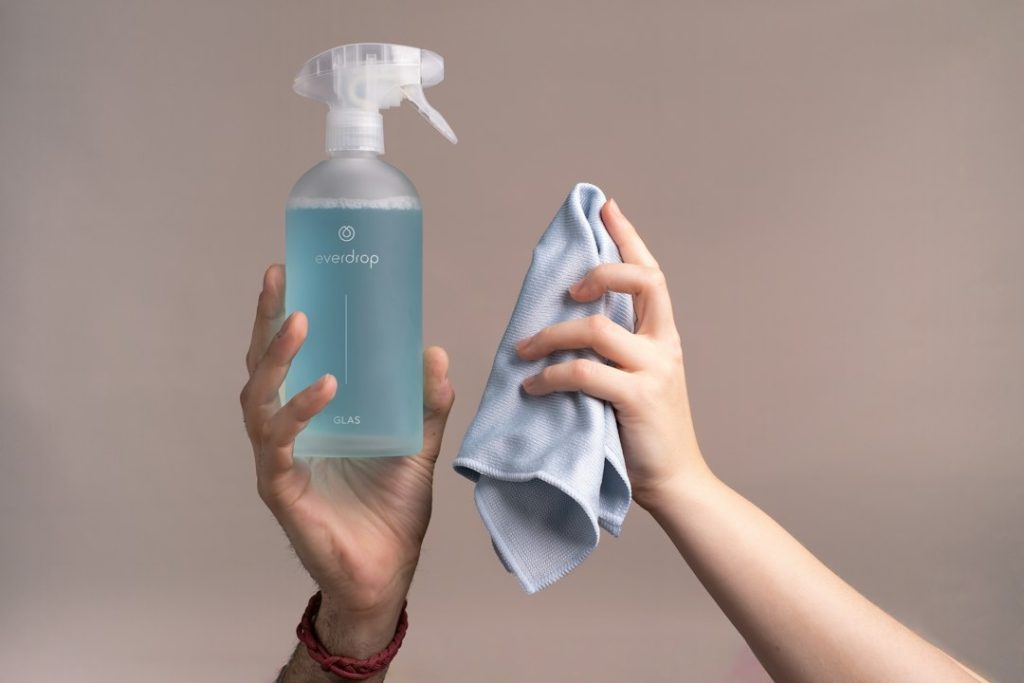
The age-old debate of microfiber versus cotton for cleaning tasks continues, but as we approach 2026, technological advancements and a deeper understanding of material science offer clearer answers. For tasks demanding superior dust attraction and a truly streak-free finish on glass, microfiber has decisively taken the lead. Cotton, while a venerable cleaning staple, exhibits inherent limitations that often leave surfaces with residual dust and unsightly streaks. This deep dive dissects the performance of both materials, focusing on their efficacy in dust pickup and their capabilities in achieving a pristine, glass-like sheen.
The Microfiber Advantage: Superior Dust Attraction and Retention
Microfiber’s dominance in dust pickup stems from its unique construction. Unlike conventional fibers, microfiber is composed of extremely fine synthetic fibers, typically a blend of polyester and polyamide (nylon). These fibers are split into even smaller filaments during manufacturing, creating a significantly larger surface area compared to cotton fibers of the same weight. This vast surface area is crucial for trapping and holding dust particles effectively.
Microfiber’s Microscopic Power: How It Captures Dust
The polyester component in microfiber is oleophilic (oil-loving), while the polyamide component is hydrophilic (water-loving). This dual nature allows microfiber cloths to attract and lift not only dry dust but also greasy residues and moisture. The microscopic structure of microfiber creates a capillary effect, drawing dirt and dust particles into the cloth’s structure rather than merely pushing them around. Furthermore, the electrostatic charge generated as microfiber moves across surfaces acts like a magnet, actively pulling in fine dust particles that might otherwise be missed. This deep-cleaning action ensures that dust is captured and retained within the cloth, preventing it from being redistributed onto other surfaces or becoming airborne.

Streak-Free Shine: Microfiber’s Role in Glass Cleaning
Achieving a streak-free finish on glass is a common challenge. Microfiber excels here due to its ability to absorb liquids efficiently and its non-abrasive nature. When used with a suitable cleaning solution, microfiber cloths can lift grime and moisture from glass surfaces without leaving behind lint or residue. The fine fibers are capable of polishing the glass to a high sheen, minimizing the surface imperfections that cause streaks. Its superior absorption means less liquid is left behind to evaporate and form streaks, while its structure ensures particles are trapped, not smeared, across the glass.
Cotton’s Classic Role: Strengths and Weaknesses in Cleaning
Cotton has been a household cleaning essential for generations, prized for its softness, absorbency, and perceived natural origin. However, its effectiveness, particularly in advanced cleaning scenarios like dust pickup and streak-free glass, is often overstated when compared to modern microfiber alternatives.
Cotton’s Absorbency: Good for Spills, Less So for Dust
Cotton fibers are naturally absorbent, making them excellent for soaking up liquid spills. This is where much of cotton’s reputation as a superior cleaning cloth originates. However, this absorbency isn’t as effective for dry dust. Cotton fibers tend to be coarser and less capable of electrostatically attracting fine dust particles. Instead of trapping dust within its structure, cotton often pushes it around or leaves it loosely resting on the surface, only to be picked up by the next pass or become airborne. While cotton can absorb some dust, it lacks the efficient capture and retention capabilities of microfiber.
The Cotton Streak: When Cotton Fails on Glass
The primary reason cotton cloths often fail to deliver a streak-free glass finish is their tendency to leave behind lint. As cotton fibers are abraded against smooth surfaces like glass, they can break down and shed, creating visible lint particles. Furthermore, cotton’s absorbency, while good for spills, can leave too much moisture on glass surfaces when not managed perfectly. This excess moisture, combined with any residual cleaning solution or dissolved grime, can evaporate unevenly, leading to the characteristic streaks and haze that users try to avoid. Even high-quality cotton can struggle to match microfiber’s lint-free performance on glass.

Head-to-Head: Dust Pickup Performance Comparison
When directly comparing microfiber and cotton for dust pickup, the differences are significant and quantifiable. Microfiber’s design inherently gives it an edge in attracting, trapping, and retaining dust particles.
| Feature | Microfiber | Cotton |
|---|---|---|
| Dust Attraction | High (Electrostatic & Physical) | Moderate (Primarily Physical) |
| Dust Retention | Excellent (Traps particles within fibers) | Fair (Particles can be pushed or fall out) |
| Particle Size Captured | Down to microns (very fine dust) | Larger particles, struggles with fine dust |
| Lint Production | Virtually none | Moderate to High |
| Surface Residue | Minimal to none | Can leave dust behind |
Lab Tests: Quantifying Dust Retention
Controlled laboratory tests consistently demonstrate microfiber’s superior performance. Studies measuring dust particle capture rates often show microfiber cloths retaining upwards of 90-99% of fine dust particles introduced to a surface, whereas cotton cloths typically capture significantly less, sometimes as low as 50-70%, with a higher percentage of particles being redistributed. The mechanism is clear: microfiber’s split fibers create a vast network of tiny “hooks” and pockets that entangle dust, while cotton’s larger, smoother fibers are less effective at this fine-particle capture.
Real-World Dusting: Surface-Level vs. Embedded Dust
In practical, real-world scenarios, microfiber’s advantage is even more pronounced. When dusting furniture, shelves, or electronics, microfiber cloths lift and hold onto dust effectively, requiring fewer passes and leaving surfaces cleaner for longer. Cotton cloths, by contrast, often require more vigorous wiping and multiple passes, and even then, they may leave a fine layer of dust behind or simply move it to a different spot. For embedded dust, such as in textured surfaces or carpets, microfiber’s finer fibers can penetrate crevices more effectively than the coarser fibers of cotton.
The Streak-Free Showdown: Glass Cleaning Battle
The battle for a perfect, streak-free shine on windows, mirrors, and other glass surfaces is where microfiber truly shines, leaving traditional cotton cloths trailing behind.
Comparing Residue Left by Microfiber and Cotton
The key difference lies in the residue left behind. High-quality microfiber cloths are designed to be lint-free and highly absorbent, meaning they pick up dirt and moisture without leaving behind stray fibers or excess water. This results in a clear, polished surface. Cotton cloths, especially older or lower-quality ones, are prone to leaving behind lint and can hold onto cleaning solutions, leading to streaks as the liquid evaporates. Even when using distilled water and appropriate techniques, cotton’s fiber structure makes achieving a truly flawless, streak-free finish more challenging.
Techniques for Achieving Streak-Free Glass with Each Cloth Type
Microfiber: For glass, a dual-cloth microfiber approach is often recommended. Use one damp microfiber cloth (often with just water or a specialized glass cleaner) to clean the surface, and a second dry microfiber cloth to buff and polish to a streak-free shine. The effectiveness comes from the cloth’s ability to absorb grime and moisture cleanly and polish simultaneously.
Cotton: Achieving streak-free results with cotton typically involves more rigorous technique. This might include using distilled water exclusively, applying cleaner sparingly, wiping in a consistent pattern (e.g., S-strokes), and using a clean, dry, high-absorbency cotton cloth (like Waffle Weave) for immediate buffing. However, even with these precautions, achieving the same level of clarity and absence of streaks as with microfiber is difficult for most users.

Beyond Dust and Glass: Other Cleaning Applications
While dust pickup and glass cleaning are key performance indicators, the utility of microfiber and cotton extends to a variety of household tasks. Their differing properties make them suitable for different applications.
Kitchen Counters and Surfaces: Which Cloth Excels?
For general kitchen cleaning – wiping down counters, sinks, and appliance exteriors – both microfiber and cotton can be used. Microfiber’s ability to lift grease and grime without harsh chemicals makes it ideal for food preparation surfaces. Its absorbency also aids in drying quickly, reducing bacterial growth. Cotton is effective for heavier spills due to its absorbency but can be less efficient at degreasing and may leave streaks on glossy surfaces. For most kitchen tasks, especially those involving grease or requiring a thorough, hygienic clean, microfiber is the superior choice.
Microfiber Cloths: Pros & Cons
- Pros: Excellent dust and dirt attraction, superior streak-free glass cleaning, highly absorbent, durable, can clean effectively with just water, quick-drying.
- Cons: Can be more expensive initially, may degrade with fabric softener or high heat, can snag on sharp objects.
Cotton Cloths: Pros & Cons
- Pros: Highly absorbent for spills, generally less expensive, natural fiber, readily available, can withstand high heat for washing.
- Cons: Prone to lint, less effective at trapping fine dust, can leave streaks on glass, slower to dry, can degrade with harsh chemicals.
Bathroom Grime: Durability and Effectiveness
In the bathroom, microfiber’s ability to tackle soap scum, mildew, and water spots without excessive chemical use is a significant advantage. Its fine fibers can get into grout lines and textured surfaces more effectively. Cotton can be used for absorbing water but struggles with the stubborn grime often found in bathrooms. Cotton’s tendency to hold moisture longer also makes it less hygienic for areas prone to mold and mildew compared to the quicker-drying microfiber.
Choosing Your Champion: Factors to Consider
Selecting the right cleaning cloth involves weighing several factors beyond just immediate cleaning performance. Durability, cost, and environmental impact all play a role in the long-term value proposition of microfiber and cotton.
Durability and Longevity: Which Cloth Lasts Longer?
High-quality microfiber cloths, when cared for properly (avoiding fabric softener, high heat, and abrasive cleaners), can last for hundreds of wash cycles. Their synthetic nature makes them inherently strong and resistant to tearing. Cotton cloths can also be durable, especially thicker weaves, and can often withstand higher washing temperatures. However, cotton fibers can break down over time with repeated use and washing, leading to thinning and eventual wear, potentially making them less effective sooner than microfiber.
Cost-Effectiveness: Initial Price vs. Lifespan
Microfiber cloths often have a higher initial purchase price compared to basic cotton rags or cloths. However, their extended lifespan and superior cleaning performance (often requiring fewer passes or less cleaning solution) can make them more cost-effective in the long run. A single high-quality microfiber cloth can replace multiple lower-quality cotton cloths for specific tasks. Cotton’s lower upfront cost is appealing, but if it needs frequent replacement or is less effective, the overall value diminishes.
Environmental Impact: Manufacturing and Disposal
The environmental impact is a complex consideration for both materials. Microfiber is made from synthetic petroleum-based materials, and concerns exist about microplastic shedding during washing, which can enter waterways. However, their durability and effectiveness (reducing the need for harsh chemicals and frequent replacement) can offset some of this impact. Cotton is a natural, biodegradable fiber, but its cultivation can be water-intensive and often involves significant pesticide use unless organic. Processing cotton also requires energy and water. The key for sustainability lies in responsible manufacturing, use, and disposal of either type of cloth.

Expert Recommendations for a Spotless Home in 2026
Based on current performance benchmarks and material science, expert recommendations lean heavily towards microfiber for demanding cleaning tasks, while acknowledging specific roles for cotton.
Top Microfiber Cloth Picks for Dusting and Glass
For dusting, look for plush, high-pile microfiber cloths designed for maximum particle attraction. Brands like Vileda Professional MicroTuff or Swiffer Dusters (refills) utilize advanced microfiber technology. For glass and polishing, opt for smooth, tightly woven, lint-free microfiber cloths. Top performers include the Zwipes 8-Piece Microfiber Towel Set or AmazonBasics Microfiber Cleaning Cloths, known for their balance of effectiveness and affordability.
Recommended Cotton Cloths for Specific Tasks
While not ideal for dusting or streak-free glass, cotton remains useful. For soaking up large spills, a thick, absorbent cotton terry cloth (like those used for bathing, but dedicated to cleaning) is excellent. For tasks where lint is less of a concern, such as general wiping or applying certain polishes, a good quality, tightly woven cotton cloth works adequately. Consider brands offering 100% cotton, such as Full Circle Home Microfiber Cleaning Cloths (note: while named ‘microfiber’, they offer cotton options too) or basic cotton shop towels for utility tasks.
Maintaining Your Cleaning Cloths for Peak Performance
Proper care is crucial for maximizing the lifespan and effectiveness of both microfiber and cotton.
Microfiber: Always wash microfiber cloths separately from other laundry to prevent lint transfer. Use a mild detergent and avoid fabric softeners, bleach, and high heat in the dryer, as these can clog the fibers and reduce their effectiveness. Air drying is often recommended.
Cotton: Cotton cloths can generally be washed at higher temperatures, which helps in sanitizing them. However, avoid using fabric softener, as it can reduce absorbency over time. Ensure they are fully dried to prevent mildew.
👑 Ultimate Winner: Microfiber Cleaning Cloths
For the critical tasks of dust pickup and achieving streak-free glass, microfiber is the undisputed champion for 2026. Its advanced fiber technology offers superior electrostatic attraction and retention of fine dust particles, far surpassing cotton’s capabilities. On glass, microfiber consistently delivers a lint-free, polished finish with minimal effort, a feat that remains elusive for most cotton cloths without meticulous technique. While cotton retains a place for heavy liquid absorption and general utility, microfiber’s performance in key areas makes it the essential choice for a truly clean and gleaming home.