
Top Renovation Mistakes Ruining Resale Value: Appraiser Secrets 2026
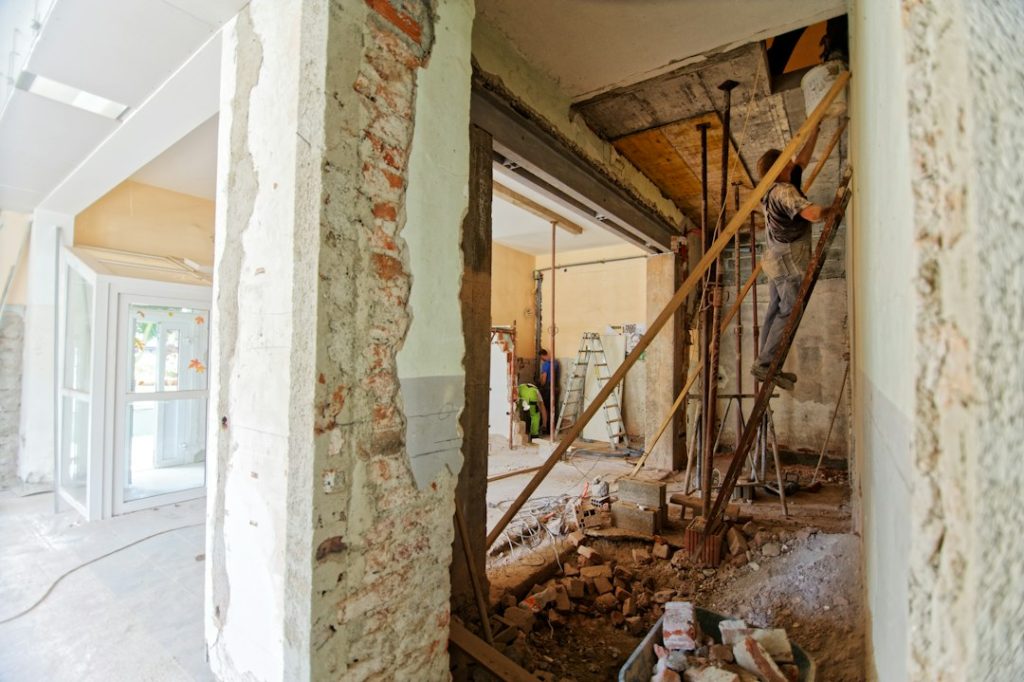
Kicking off a major home renovation can feel exhilarating, promising a revitalized living space and a significant boost to your property’s appeal. However, the path to a successful renovation is fraught with potential pitfalls, especially when your eye is on the prize: maximizing resale value. Appraisers, the gatekeepers of property valuation, see firsthand how common renovation choices can backfire, turning what should be an asset into a liability on the market. In 2026, understanding these critical mistakes is more important than ever to ensure your investment pays off, not depletes. This guide dissects the biggest home renovation mistakes that appraisers consistently flag as detrimental to resale value, offering actionable insights for homeowners aiming for a profitable outcome.
The Top 5 Renovation Blunders That Cost You Big at Appraisal
Home improvement projects, while often driven by personal taste and comfort, can inadvertently devalue a property if not aligned with market expectations. Appraisers look beyond the surface gloss, evaluating how renovations impact functionality, broad appeal, and overall structural integrity. Falling prey to these top five blunders is a surefire way to see your appraisal value plummet.
Mistake #1: Over-Personalizing Your Design Choices
While your home should reflect your personality, overly unique or niche design choices are a major red flag for appraisers. What you consider a bespoke masterpiece, a future buyer might see as a costly problem to undo. Bold color schemes, custom-built cabinetry with unconventional layouts, or highly specialized fixtures (like a themed bathroom or an elaborate home theater that excludes other uses) often fail to resonate with a broad audience. Appraisers often deduct value because these personal touches limit the pool of potential buyers and increase the perceived cost of future renovations for a new owner.

Mistake #2: Choosing Trendy Over Timeless Materials
The allure of the latest design trends can be powerful, but incorporating them wholesale into renovations is a gamble. Materials that are highly fashionable today can quickly appear dated in just a few years. Think of the avocado green kitchens of the 70s or the Tuscan villa aesthetic popular in the early 2000s. Appraisers are wary of renovations that scream “current trend” because they anticipate the need for another costly update sooner rather than later. Opting for durable, neutral, and classic materials generally yields a better return, as they appeal to a wider range of tastes and have a longer lifespan aesthetically.
Durable, Neutral Flooring Options
⚖️ Maintenance: Low
<0xF0><0x9F><0xAA><0xA8> Aesthetic Versatility: High
👍 Pros
- Extremely durable and resistant to scratches, stains, and water.
- Available in a vast array of styles, colors, and patterns, mimicking natural materials like wood or stone.
- Long lifespan, minimizing the need for frequent replacement.
👎 Cons
- Can be hard and cold underfoot; requires underfloor heating for comfort in colder climates.
- Grout lines can be difficult to clean if not properly sealed.
- Installation can be more labor-intensive and costly than some other flooring types.
Porcelain tile is a staple in kitchens and bathrooms due to its superior durability and water resistance compared to ceramic. Its resistance to wear and fading makes it a sound long-term investment that appeals to appraisers evaluating a home’s material quality and expected longevity.
Porcelain tile stands as a robust and versatile flooring choice, offering an exceptional balance of resilience and aesthetic adaptability. Its dense composition makes it impervious to most stains and moisture, a critical factor in high-traffic areas or rooms prone to spills. While the initial cost and installation might be higher than alternatives, its longevity and minimal maintenance requirements typically offset these concerns over time. Appraisers recognize porcelain tile as a quality material that adds tangible value, signaling to potential buyers a lower future maintenance burden.
Mistake #3: Poorly Executed DIY Projects
The DIY movement has empowered many homeowners to tackle projects themselves, saving on labor costs. However, when DIY work is subpar – think crooked tile backsplashes, poorly fitted trim, improperly installed fixtures, or amateurish paint jobs – it screams “low quality” to an appraiser. These visible flaws detract from the perceived value of the home. More importantly, poorly executed structural or electrical DIY can create genuine safety hazards and costly repair issues down the line, which appraisers will factor into their valuation, often significantly discounting the perceived value or noting the need for professional correction.
Mistake #4: Neglecting Essential Structural Upgrades for Aesthetics
It’s tempting to pour all your renovation budget into cosmetic upgrades like new countertops or a fresh coat of paint, especially when they offer immediate visual gratification. However, ignoring underlying structural issues – such as outdated electrical systems, faulty plumbing, inadequate insulation, or a deteriorating roof – is a critical mistake. Appraisers are trained to identify these fundamental problems. A beautiful facade can’t hide a failing foundation. In fact, cosmetic upgrades over essential repairs can be viewed negatively, suggesting a lack of understanding of true home value and potentially masking deeper, more expensive problems.
Mistake #5: Ignoring Local Market Trends and Needs
A renovation that might be a huge hit in one neighborhood could be a complete flop in another. Over-improving a home beyond the average for its area, or failing to cater to the specific demands of the local market, are common appraisal pitfalls. For instance, installing a high-end chef’s kitchen in a modest starter-home neighborhood might not yield a proportional return. Conversely, in an area where large families are common, failing to add a much-needed second bathroom could significantly limit resale potential. Appraisers assess renovations against the backdrop of comparable sales and local buyer preferences.

How Appraisers View Common Renovation Pitfalls
Appraisers bring a unique, objective perspective to renovations. Their job is to determine a property’s fair market value, and they do so by comparing it to similar sold properties and assessing its condition, features, and potential drawbacks. Certain renovation types, even if popular, can trigger negative evaluations if not executed correctly or if they overstep the boundaries of good market sense.
Appraiser’s Perspective on Kitchen Remodels Gone Wrong
The kitchen is often the heart of the home and a prime target for renovations. However, appraisers frequently see kitchens that fail to deliver on resale value. Mistakes include using overly expensive, custom materials that don’t align with the home’s overall value, poor layout changes that disrupt workflow (like moving a sink or range without considering plumbing and ventilation), and skimping on essential elements like adequate storage or proper lighting. An appraiser will look at the cost-benefit ratio; if a $100,000 kitchen remodel in a $400,000 house doesn’t significantly increase the appraisal value beyond the typical comps, it’s considered an over-improvement and a poor investment.
High-End Kitchen Appliance Suite
⚖️ Capacity: 6.0 cu. ft. Oven
<0xF0><0x9F><0xAA><0x9B> Features: Convection, Smart Connectivity
👍 Pros
- Exceptional cooking performance and precise temperature control.
- Generous capacity suitable for large meals and entertaining.
- Modern features enhance convenience and potential for remote monitoring.
👎 Cons
- Significantly higher purchase and installation cost.
- Requires specialized gas line and ventilation; potential for higher utility bills.
- May be overkill for average home cooks, leading to underutilization of features.
Professional-grade gas ranges offer superior heat output and control favored by serious cooks. However, their high cost and specialized requirements mean they often represent an over-improvement in standard residential settings. Appraisers note that while they signal quality, the return on investment diminishes rapidly if the home’s overall market doesn’t support such a premium feature.
A professional-grade gas range and accompanying appliance suite can elevate a kitchen’s functionality and aesthetic appeal, promising precise cooking control and ample capacity. These units are designed for performance, often featuring robust burners capable of high-heat searing and delicate simmering, alongside spacious convection ovens for even baking. Integration with smart home systems further adds to their modern appeal. Nevertheless, the substantial investment required, coupled with the need for specific utility hookups and potentially higher operating costs, means that their value proposition is highly dependent on the local market and the homeowner’s actual usage patterns. For appraisal purposes, their impact is often moderated against comparable properties unless the entire neighborhood boasts similar high-end features.
Bathroom Renovations That Depress Home Value
Similar to kitchens, bathrooms are critical areas for renovation. Appraisers often identify bathrooms that are over-renovated for the home’s price point, use overly niche or trendy fixtures that won’t appeal broadly, or create functional problems. For example, converting a standard tub into a complex, custom shower might be a dream for one person but a deterrent for a family needing a bathtub for children. Also, adding a bathroom in a location that disrupts the home’s flow or is difficult to access can be a negative. Appraisers look for well-executed, functional bathrooms that meet the needs of the typical buyer in that market.
Landscaping Fails That Hurt Your Curb Appeal
Curb appeal is the first impression a buyer gets, and landscaping plays a huge role. Appraisers notice poorly maintained yards, overgrown or dying plants, outdated or non-functional hardscaping, and excessive, non-uniform “pop” of color from overly personalized plantings. Conversely, renovations that focus solely on hardscaping (like massive concrete patios) without considering softer, natural elements can also be viewed negatively. The ideal is balanced, well-maintained landscaping that enhances the home’s natural setting and appeals to a wide range of tastes. Over-investing in elaborate, high-maintenance gardens that don’t fit the local climate or lifestyle can be a significant detractor.

Structural Issues Masked by Cosmetic Fixes
This is a major concern for appraisers. When a homeowner undertakes surface-level cosmetic upgrades while ignoring underlying structural, electrical, or plumbing problems, the appraisal value can be severely impacted. Appraisers are trained to look for signs of these issues, such as water stains, foundation cracks, or outdated wiring. A home that appears updated but has hidden problems will be valued lower, reflecting the future costs a buyer will inevitably incur. In some cases, appraisers may even issue a conditional appraisal, requiring certain structural issues to be addressed before a final valuation can be given.
The Impact of Non-Permitted Work
Any significant renovation work that was not properly permitted and inspected poses a substantial risk and negatively impacts appraisal value. Appraisers, and more importantly, future buyers and their lenders, will view unpermitted work with extreme caution. This is because the work may not have met building codes, could be structurally unsound, or might pose safety hazards. Buyers may demand a significant discount to account for the potential cost and hassle of bringing the work up to code, or lenders may refuse to finance the property altogether. Documented, permitted work is a sign of due diligence and adds confidence and value.
What Homeowners Get Wrong: A Critical Look at Renovation Priorities
Homeowners often approach renovations with a personal vision that doesn’t always align with maximizing resale value. This misalignment stems from a variety of misconceptions about priorities, costs, and the appraisal process itself.
Prioritizing Aesthetics Over Functionality
The desire for a beautiful home is natural, but focusing exclusively on aesthetics at the expense of functionality is a common mistake. An appraiser will question the value of a stunning kitchen with an impractical layout or a luxurious bathroom that lacks essential storage. Functionality – how well a space serves its purpose – is paramount. A home that is beautiful but difficult to live in, or requires significant workarounds for daily tasks, will not achieve top dollar. Appraisers value practical improvements that enhance the livability and efficiency of the home.
The Costly Misconception of “More is Better”
Homeowners sometimes believe that bigger or more elaborate renovations automatically equate to higher value. This isn’t always true. Over-improving a home beyond the norms of the neighborhood, or adding features that are rarely used or are overly complex, can lead to diminishing returns. An appraiser evaluates renovations based on comparable sales. If similar homes in the area are selling well with standard updates, a hyper-luxury or highly specialized renovation may not recoup its cost. The key is intelligent investment, not simply maximum expenditure.
Underestimating the Value of Expert Advice
Many homeowners dive into renovations without consulting professionals who understand market value and building codes. This includes not only contractors but also architects, interior designers, and, crucially, real estate appraisers or agents. Seeking advice early on can prevent costly mistakes. An appraiser can provide insights into what features and finishes are most valued in the local market, guiding renovation decisions towards higher ROI. Ignoring this expertise is like navigating without a map – you might end up somewhere, but it’s unlikely to be your intended destination.
Ignoring the Long-Term Maintenance Implications
Renovations should not only look good today but also be durable and easy to maintain for the future owner. Choosing materials that require intensive upkeep, or installing systems that are prone to failure or expensive to repair, can significantly deter buyers and lower appraisal values. Appraisers consider the long-term viability and expected maintenance costs of a home. A renovation that looks impressive but promises a future of constant upkeep is often viewed as a liability rather than an asset.

Smart Renovation Strategies That Boost Resale Value in 2026
To ensure your renovation investment translates into tangible resale value, strategic planning is key. The focus should shift from purely personal preference to market-driven improvements that offer the best return.
Focusing on High-ROI Improvements
Certain renovation projects consistently deliver a higher return on investment. Kitchen and bathroom updates, particularly those that modernize fixtures, improve layouts, and incorporate durable, appealing materials, are often at the top of the list. Other high-ROI projects include updating flooring, improving lighting, adding or finishing basements, and enhancing curb appeal through landscaping and exterior updates. The goal is to invest in areas that buyers prioritize and are willing to pay a premium for.
Updated Bathroom Vanity with Modern Fixtures
⚖️ Countertop: Quartz
<0xF0><0x9F><0xAA><0xA8> Sink Type: Undermount Ceramic
👍 Pros
- Enhances visual appeal and functionality of the bathroom.
- Durable materials like quartz and solid wood offer longevity.
- Modern undermount sinks are easy to clean and provide a sleek look.
👎 Cons
- Can be a significant expense, especially for higher-end materials.
- Requires careful measurement and installation to fit the space.
- Style choices need to align with the overall bathroom aesthetic.
A well-designed vanity with quality materials is a key selling point in bathrooms. Solid wood construction ensures durability, while quartz countertops resist stains and scratches better than natural stone. Undermount sinks offer a clean, modern look and simplify cleaning. Appraisers recognize these features as indicators of a well-maintained and updated home.
Updating a bathroom vanity is a high-impact renovation that significantly boosts a home’s appeal and perceived value. Opting for solid wood construction provides a sturdy, long-lasting foundation, while a quartz countertop offers superior resistance to moisture, stains, and etching compared to granite or marble, making it ideal for the humid bathroom environment. The integration of an undermount ceramic sink creates a seamless transition from the countertop to the basin, simplifying cleaning and contributing to a sophisticated, contemporary aesthetic. These elements collectively signal quality craftsmanship and attention to detail, which appraisers consistently value.
Choosing Neutral, High-Quality Finishes
When in doubt, go neutral. Neutral color palettes (grays, beiges, off-whites) and timeless finishes (like classic subway tile, natural wood tones, brushed nickel or matte black hardware) have broad appeal. They allow potential buyers to envision their own belongings and style in the space. Combining these neutral choices with high-quality materials – solid wood cabinetry, durable countertops, well-finished flooring – signals longevity and value that generic, trendy, or overly personal choices cannot match.
Ensuring Quality Craftsmanship and Permits
This cannot be overstated. Hire reputable contractors, ensure all work is permitted and inspected, and obtain lien waivers. Appraisers and buyers value transparency and assurance that the work has been done correctly and to code. Visible signs of quality craftsmanship – clean lines, tight joints, professional finishes – add to the perceived value. Documented, permitted renovations provide peace of mind and are a strong indicator of a well-cared-for property.
Enhancing Energy Efficiency and Smart Home Features
In 2026, energy efficiency is not just a buzzword; it’s a significant selling point. Upgrades like improved insulation, energy-efficient windows and doors, modern HVAC systems, and solar panels can lead to lower utility bills, making the home more attractive and often commanding a higher appraisal value. Additionally, integrating smart home technology – such as smart thermostats, lighting, security systems, and keyless entry – appeals to modern buyers seeking convenience and control.
Understanding Your Local Real Estate Market
Before you even pick up a hammer, research your local market. What are comparable homes selling for? What features do they have? Are buyers in your area prioritizing updated kitchens, more bathrooms, larger yards, or energy efficiency? Talking to local real estate agents and appraisers can provide invaluable insights. Tailoring your renovation plans to meet the specific demands and expectations of your local market is crucial for maximizing return on investment.
Expert Appraiser Insights: What to Ask Before You Renovate
Engaging with appraisal professionals before and during your renovation can save you from costly missteps. Their insights are invaluable for aligning your project with market expectations.
Questions to Determine Potential Resale Impact
- “What types of renovations have you seen add the most value in this specific neighborhood recently?”
- “Are there any common renovation mistakes in this area that tend to lower appraisal values?”
- “How do buyers in this market typically respond to a high-end kitchen, an open-concept layout?”
- “What is the typical range of value added by a well-executed kitchen or bathroom remodel in comparable homes?”
- “Are there specific materials or finishes that are consistently favored or disliked by buyers in this area?”
When to Consult an Appraiser During Your Renovation
While it’s most beneficial to consult an appraiser *before* starting, checking in during major phases can be helpful. If you’re undertaking a significant structural change or a high-cost upgrade (like a major kitchen or addition), a preliminary consultation can confirm you’re on the right track. Post-renovation, a formal appraisal will provide the updated valuation. Some homeowners also opt for a “desktop appraisal” or consultation mid-project to get a sense of direction without the full formal process.
Avoiding Costly Over-Improvements
The key to avoiding over-improving is understanding the “highest and best use” principle in appraisal. This means a renovation should enhance value up to the point where it meets or slightly exceeds the market norms for the area. Ask yourself: “Will this upgrade likely be reflected dollar-for-dollar, or even more, in the sale price?” If the answer is uncertain or negative, it might be a sign of over-improvement. Stick to renovations that address common buyer needs and preferences, use quality but not excessively luxurious materials relative to the market, and ensure all work is permitted and professionally executed.
FAQ: Common Questions About Renovation Mistakes and Resale Value
Q1: Can a bad renovation actually decrease my home’s value?
A: Absolutely. Poorly executed renovations, outdated trends, over-personalization, or masking structural issues can significantly lower a home’s appraisal value and market appeal, often costing more to correct than a well-planned renovation would have initially.
Q2: Which rooms offer the best return on investment for renovations?
A: Generally, kitchens and bathrooms provide the highest ROI, followed by master suites, flooring upgrades, and exterior improvements that enhance curb appeal. Energy-efficient upgrades are also increasingly valued.
Q3: Is it always better to hire a contractor, or can I save money with DIY?
A: For basic cosmetic tasks, DIY can save money. However, for structural, electrical, plumbing, or complex finishing work, hiring a licensed and insured professional is crucial. Poor DIY can lead to costly repairs and significantly detract from resale value. Appraisers look unfavorably at shoddy DIY.
Q4: How much should I spend on renovations relative to my home’s value?
A: A common guideline is not to spend more on renovations than the top 10-20% of the value of homes in your immediate neighborhood. Over-improving relative to the market can lead to a situation where you can’t recoup your investment.
Q5: What is the single biggest mistake homeowners make when renovating for resale?
A: According to many appraisers, it’s failing to understand and cater to the local market’s demands and preferences, often by over-personalizing choices or over-improving beyond the neighborhood norm, rather than focusing on timeless, functional, and broadly appealing updates.