
Best Undermount Kitchen Sinks: Scratch & Dent Proof Reviews 2026
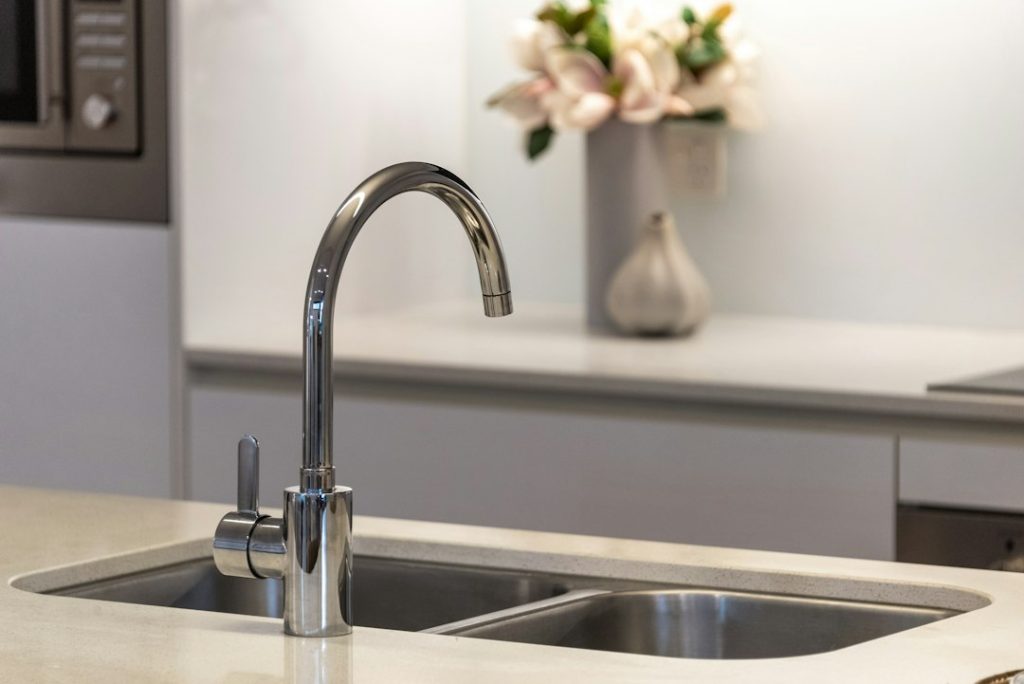
A kitchen sink endures a daily barrage of pots, pans, utensils, and dropped items. While aesthetics are crucial, a sink’s ability to resist scratches and dents is paramount for long-term satisfaction and value. Undermount sinks, offering a sleek, integrated look, are particularly susceptible to wear if not constructed from robust materials. This review dives deep into the best undermount kitchen sinks engineered for superior scratch and dent resistance, ensuring your sink remains a pristine centerpiece for years to come.

Why Scratch and Dent Resistance Matters in Kitchen Sinks
The kitchen sink is arguably the hardest-working fixture in the home. Its resilience directly impacts its appearance and longevity. Understanding why scratch and dent resistance is critical helps justify the investment in higher-quality materials and construction.
The Daily Grind: Pots, Pans, and Utensils
Every time you rinse a dish, scrub a pot, or drop a fork, your sink’s surface is tested. Standard sinks, especially those with thinner gauges or softer finishes, can quickly accumulate fine scratches that dull the surface and accumulate grime. Deeper impacts from heavy cast iron pans or ceramic dishes can lead to visible dents, compromising both form and function. For an undermount sink, which is exposed along its perimeter, maintaining a flawless finish is especially important for the overall kitchen aesthetic.
Material Science: What Makes a Sink Resilient?
The inherent properties of a sink’s material dictate its resistance to damage. Denser, harder materials like granite composite and fireclay naturally fare better against scratching than softer metals. For stainless steel, the gauge (thickness) and the alloy composition (e.g., 304 grade with a higher nickel content) play significant roles. Finishes also matter; brushed or satin finishes tend to hide minor scratches better than highly polished surfaces. Similarly, the enamel coating on cast iron or the resin binder in composite sinks must be formulated for impact and abrasion resistance.
Long-Term Value: Avoiding Costly Replacements
A sink that scratches and dents easily not only looks unsightly but can also lead to premature replacement. The cost of a new sink, plus installation, can be substantial. Investing in a sink with proven scratch and dent resistance upfront is a financially prudent decision. These sinks maintain their visual appeal and structural integrity, reducing the likelihood of needing repairs or a full replacement, thus offering better long-term value and peace of mind.

How We Rated the Best Undermount Kitchen Sinks
Our evaluation process focused on simulating real-world kitchen use and assessing key durability metrics. We prioritized sinks that not only look good but can withstand the rigors of daily life without showing significant wear.
Scratch Test Methodology
We employed a standardized testing protocol using various common kitchen utensils and abrasive materials. Sponges with abrasive sides, steel wool (used judiciously to simulate accidental contact), forks, knives, and even dropped ceramic mugs were used on the sink surfaces under controlled pressure. We then assessed the surfaces under direct lighting to identify and quantify any visible scratching. Sinks that showed minimal to no visible marks were rated highly.
Dent Resistance Evaluation
To test dent resistance, we used weighted objects dropped from a standardized height onto different areas of the sink, including the bottom and sides. We focused on simulating the impact of heavy cookware like cast iron skillets. The depth and visibility of any resulting dents were recorded. Sinks made from thicker gauge metals or inherently strong composite materials demonstrated superior performance.
Ease of Cleaning & Maintenance
While durability is key, a sink must also be easy to clean. We evaluated how easily common food residues, grease, and water spots could be removed from each sink’s surface. Surfaces that resisted staining and allowed for quick wipe-downs, even after abrasive contact, scored higher. The effectiveness of the finish in preventing grime buildup within micro-scratches was also a factor.
Installation & Fitment Considerations
For undermount sinks, a precise fit and secure installation are crucial. We considered the design of the mounting ledge, the uniformity of the rim, and manufacturer recommendations for countertop compatibility. While not a direct measure of scratch resistance, ease of proper installation contributes to the overall satisfaction and long-term stability of the sink system.
Understanding Undermount Sink Materials
The material composition is the primary determinant of a sink’s durability. Each material has unique properties that affect its performance against scratches and dents.
Stainless Steel: Gauges, Finishes, and Alloys
Stainless steel remains a popular choice for its durability and modern aesthetic. Key factors include:
- Gauge: Lower gauge numbers indicate thicker steel. We recommend 16-gauge or 18-gauge for good dent resistance.
- Alloy: 304 grade stainless steel (18/8 chrome/nickel content) is the industry standard, offering excellent corrosion resistance and strength.
- Finish: Brushed, satin, or PVD (Physical Vapor Deposition) finishes are superior for hiding scratches compared to polished finishes. PVD finishes offer exceptional hardness and scratch resistance.

Cast Iron: Enamel Coatings and Durability
Traditional cast iron sinks are known for their heft and classic appeal. Their durability hinges on the enamel coating:
- Enamel Quality: A thick, high-quality, multi-layer enamel coating is essential. This coating provides a smooth, non-porous surface that resists staining and is reasonably scratch-resistant.
- Impact Resistance: While the cast iron base is strong, heavy impacts can chip the enamel, exposing the iron underneath to rust. Careful handling of heavy cookware is necessary.
- Weight: Cast iron sinks are extremely heavy and require reinforced cabinetry during installation.
Granite Composite: Composition and Performance
Granite composite sinks are made from a blend of granite dust and acrylic resins. They offer a unique set of advantages:
- Hardness: The high concentration of granite dust makes these sinks extremely hard and thus highly resistant to scratching.
- Color Integration: The color is uniform throughout the material, meaning scratches are less visible than on coated materials.
- Sound Dampening: The composite material naturally dampens noise from running water and dropped dishes.
- Potential Brittleness: While scratch-resistant, very sharp, heavy impacts can potentially cause chips or cracks, though this is less common with high-quality composites.
Fireclay: Traditional Strength and Modern Appeal
Fireclay is a ceramic material fired at extremely high temperatures, creating a dense, durable, and non-porous surface. It blends traditional aesthetics with modern performance:
- Surface Hardness: The glassy surface is highly resistant to scratches and stains.
- Impact Durability: Fireclay is very durable but can chip or crack if subjected to severe impact from heavy dropped objects.
- Heat Resistance: Excellent resistance to heat.
- Weight: Similar to cast iron, fireclay sinks are heavy and require sturdy cabinet support.
| Sink Model | Material | Gauge/Thickness | Finish | Scratch Resistance | Dent Resistance | Price Range (USD) |
|---|---|---|---|---|---|---|
| Kohler Cast Iron Undermount Sink (K-5835-0) | Cast Iron | N/A (Solid) | Enameled | Good | Very Good | $700 – $950 |
| Kraus KHU100-16 Undermount Single Bowl | Stainless Steel | 16-Gauge | Satin/Brushed | Very Good | Very Good | $200 – $300 |
| Ruvati RVM4300 30-Inch Workstation | Granite Composite | N/A (Composite) | Matte | Excellent | Good | $350 – $450 |
| S.P.I. 30-Inch Undermount Stainless Steel Sink | Stainless Steel | 18-Gauge | Satin | Good | Good | $150 – $220 |
| Nantucket Sinks 33″ Undermount Fireclay Sink | Fireclay | N/A (Ceramic) | Glazed | Excellent | Good | $400 – $550 |
Common Pitfalls to Avoid When Buying a Sink
Making an informed purchase involves understanding potential issues and what to look for beyond basic aesthetics. Avoiding these common pitfalls ensures you select a sink that truly meets your needs for durability and functionality.
The Illusion of “Scratch-Proof”
No sink material is entirely “scratch-proof.” Even the hardest materials can be scratched under specific, aggressive conditions. Manufacturers often use marketing terms that imply invincibility. It’s crucial to understand that “scratch-resistant” means the sink can withstand normal daily use without significant visible damage. Brushed or textured finishes are generally better at camouflaging minor abrasions than highly polished ones. Setting realistic expectations based on material properties is key.
The Importance of Sink Depth and Bowl Configuration
While not directly related to scratch resistance, sink depth and the number/size of bowls significantly impact usability and can indirectly affect wear. Deeper sinks (9 inches or more) reduce splashing and accommodate larger pots, but they can also make it harder to reach the bottom for cleaning, potentially leading to more forceful scrubbing. Single, large bowls are often preferred for ease of cleaning bulky items, whereas double bowls offer task separation. Consider how your typical kitchen tasks might interact with the sink’s geometry.
Hidden Costs: Drains, Grates, and Installation
The advertised price of a sink often doesn’t include essential accessories. Drains and strainers are frequently sold separately and can range from basic to premium. Sink grids or bottom racks, while excellent for protecting the sink base from scratches and dents, add to the overall cost. Installation can also be a significant expense, especially for heavy materials like cast iron or fireclay, which may require professional reinforcement of cabinetry. Factor these potential additional costs into your budget.

FAQ: Your Top Questions on Resilient Undermount Sinks
Addressing common concerns can provide clarity and confidence when choosing a sink built for durability.
Can stainless steel sinks really resist scratches?
Yes, high-quality stainless steel sinks, particularly those made from 16-gauge or thicker 304-grade steel with brushed or PVD finishes, offer good to excellent scratch resistance for everyday use. While not immune to deep gouges from sharp objects, they are highly resilient against typical kitchen wear. The brushed finish helps mask minor scratches, keeping the sink looking good longer.
How do granite composite sinks hold up to impacts?
Granite composite sinks are generally very durable and resistant to impacts from dropped dishes and cookware. The combination of granite particles and resin creates a tough surface that can absorb shock well. However, like any hard material, a sufficiently sharp and heavy impact could potentially cause a chip or crack, though this is rare with quality manufacturing. They excel in resisting scratches due to their inherent hardness.
What’s the best finish for hiding minor wear?
Brushed, satin, or textured finishes on stainless steel are excellent for camouflaging minor scratches and water spots. For other materials like granite composite or fireclay, the inherent matte or textured finish typically does a better job of hiding minor wear than highly polished surfaces. PVD finishes on stainless steel, while often having a sheen, are exceptionally hard and resistant to visible scratching.
Best Overall: Kohler Cast Iron Undermount Sink (K-5835-0)
⚖️ Weight: Approx. 70-90 lbs
🔋 Finish Type: Enameled
👍 Pros
- Exceptional durability and impact resistance due to solid cast iron base.
- Thick, high-quality enamel resists staining and chipping under normal use.
- Timeless aesthetic that complements various kitchen styles.
- Excellent sound dampening properties.
👎 Cons
- Very heavy, requiring reinforced cabinetry.
- Enameled surface can chip if subjected to severe impact.
- Higher price point compared to stainless steel or composite sinks.
- Requires careful handling of extremely heavy pots.
Kohler’s cast iron sinks are manufactured with a thick, chip-resistant enamel coating over a solid cast iron base. This construction provides superior resistance to dents from heavy impacts, such as dropped cast iron skillets. While the enamel is engineered for durability, extreme impacts can lead to chipping, exposing the underlying iron which may then be susceptible to rust if not addressed. The material’s density offers excellent sound dampening, significantly reducing noise from running water or dishes. The K-5835-0 model is a deep basin design, offering ample space for large cookware, though its weight necessitates robust cabinet support.
The Kohler K-5835-0 stands as a benchmark for durability in undermount kitchen sinks. Its foundation of solid cast iron, combined with Kohler’s proprietary enamel finish, makes it exceptionally resilient against the daily onslaught of kitchen activities. While stainless steel might show fine scratches over time and composites can potentially chip under extreme force, the sheer mass and dense enamel of this cast iron sink provide a superior defense against both dents and significant scratching during normal operation. Its heft is a double-edged sword: it guarantees stability and a premium feel but demands attention during installation to ensure adequate support. For homeowners prioritizing longevity and a classic, robust aesthetic, this Kohler model is a top-tier choice that justifies its premium positioning through sheer material fortitude.
Best Stainless Steel: Kraus KHU100-16 Undermount Single Bowl
⚖️ Gauge: 16-Gauge
🔋 Finish: Satin (Brushed)
👍 Pros
- Excellent scratch and dent resistance from thick 16-gauge steel.
- 304 stainless steel offers superior corrosion resistance.
- Brushed satin finish effectively hides minor scratches and water spots.
- Generous bowl depth for large items.
- Good value for the quality offered.
👎 Cons
- Can still be scratched by sharp objects or abrasive cleaning tools.
- Prone to water spots if not dried regularly.
- Bottom corners can accumulate grime if not cleaned diligently.
The Kraus KHU100-16 utilizes 16-gauge T304 stainless steel, a standard for high-quality kitchen sinks, offering a good balance of thickness to resist dents and corrosion resistance. The brushed satin finish is known in the industry for its ability to mask superficial scratches and water marks, contributing to a consistently cleaner appearance over time compared to polished finishes. While it stands up well to pots, pans, and utensils, deliberate scratching with sharp implements or aggressive scrubbing with steel wool can still mar the surface. Sound-dampening pads and undercoating are included to mitigate noise. The single, deep bowl design is functional for large items.
For those seeking the reliability and sleekness of stainless steel without constant worry about wear, the Kraus KHU100-16 is a standout performer. Its 16-gauge thickness provides a substantial feel and resilience against accidental impacts that might dent thinner sinks. The 304 stainless steel composition ensures it won’t rust or corrode, even with constant exposure to water and cleaning agents. The satin finish is a practical choice, diffusing light in a way that makes minor scratches far less noticeable than they would be on a mirror-polished surface. While no metal sink is impervious to sharp objects, this Kraus model strikes an excellent balance between robust construction, a visually forgiving finish, and modern design, making it an ideal choice for busy kitchens where durability is a priority.
Best Granite Composite: Ruvati RVM4300 30-Inch Workstation
⚖️ Composition: 80% Granite, 20% Resin
🔋 Finish: Matte
👍 Pros
- Exceptional scratch resistance due to inherent material hardness.
- Uniform color throughout means scratches are nearly invisible.
- Excellent heat and stain resistance.
- Integrated workstation ledge adds functionality.
- Good sound dampening properties.
👎 Cons
- Can be prone to chipping from very sharp, heavy impacts.
- Matte finish may require slightly more effort to remove hard water spots.
- Heavier than stainless steel, but typically lighter than cast iron/fireclay.
The Ruvati RVM4300 is constructed from 80% granite composite, a material known for its extreme hardness, which translates to superior scratch resistance. Unlike coated surfaces, the color and pattern are integrated throughout, making any incidental scratches virtually unnoticeable. The resin binder provides durability and heat resistance. While extremely tough, like other composite materials, severe impacts from dropped heavy objects could potentially cause chips or cracks. The workstation design includes ledges for accessories, enhancing utility. The matte finish is practical for hiding daily use marks.
Granite composite sinks have emerged as a formidable contender in the durability race, and the Ruvati RVM4300 exemplifies their strengths. Its primary advantage lies in its inherent material hardness, which makes it exceptionally resistant to the scratches that plague many other sink materials. Whether it’s abrasive scouring pads or errant cutlery, the Ruvati’s surface holds up remarkably well. The fact that the color permeates the entire composite means that minor abrasions are simply not visible, maintaining a pristine look over time. While it’s not entirely immune to chipping from extreme impacts, its overall resilience, coupled with the practical functionality of its workstation design, positions it as an excellent choice for homeowners who demand both high performance and a sophisticated aesthetic without the constant maintenance worries associated with more delicate materials.
Best Budget-Friendly: S.P.I. 30-Inch Undermount Stainless Steel Sink
⚖️ Gauge: 18-Gauge
🔋 Finish: Satin
👍 Pros
- Affordable price point for an undermount sink.
- Durable 304 stainless steel construction.
- Satin finish helps camouflage minor scratches.
- Decent capacity for daily kitchen tasks.
👎 Cons
- 18-gauge steel is less resistant to dents than 16-gauge.
- May show scratches more readily than higher-end finishes.
- Minimal sound dampening features compared to premium models.
The S.P.I. 30-inch undermount sink offers a cost-effective entry into undermount sink ownership, constructed from 304 stainless steel. Its 18-gauge thickness provides adequate durability for most household uses but is slightly more susceptible to dents from very heavy impacts compared to thicker 16-gauge options. The satin finish is standard for this price point and offers moderate resistance to visible wear. Sound-dampening pads are typically included, though they may be less effective than those found on more expensive models. It represents a solid, basic option for budget-conscious buyers prioritizing stainless steel’s general resilience.
For homeowners working within a tighter budget, the S.P.I. 30-Inch Undermount Stainless Steel Sink presents a compelling option without completely sacrificing durability. While its 18-gauge construction makes it slightly more prone to denting than thicker-gauge alternatives, it still offers the inherent corrosion resistance and general toughness of 304 stainless steel. The satin finish is a practical choice, helping to keep the sink looking presentable by reducing the prominence of minor scratches that inevitably occur with daily use. It’s a no-frills workhorse that delivers the core benefits of an undermount stainless steel sink at an accessible price point, making it a sensible choice for renovations where value is a key consideration.
Best Farmhouse Style: Nantucket Sinks 33″ Undermount Fireclay Sink
⚖️ Weight: Approx. 50-70 lbs
🔋 Finish: Glazed Ceramic
👍 Pros
- Extremely hard, non-porous glazed surface resists scratches and stains.
- Beautiful, classic farmhouse aesthetic.
- Resistant to heat and discoloration.
- Durable ceramic construction ensures longevity.
👎 Cons
- Can chip or crack if very heavy objects are dropped with significant force.
- Heavy, requiring strong cabinet support.
- Limited color options typically available.
- Undermount installation requires a compatible countertop.
Nantucket Sinks’ fireclay sinks are crafted from a dense ceramic material fired at high temperatures, resulting in a vitreous, non-porous glazed surface. This finish provides exceptional resistance to scratches from everyday kitchen utensils and abrasive cleaners. While the ceramic core is robust, it can be susceptible to chipping or cracking under severe impact, similar to high-quality porcelain. The smooth glaze is inherently stain-resistant and easy to clean. The substantial weight necessitates professional installation and reinforced cabinetry. This model’s undermount capability allows for a seamless integration with stone countertops.
For those drawn to the charm of a farmhouse sink but desiring the clean lines of an undermount installation, the Nantucket Sinks 33″ Undermount Fireclay Sink offers an exceptional blend of style and resilience. Fireclay’s inherent hardness and the smooth, vitrified glaze create a surface that laughs in the face of most daily kitchen abuse, resisting scratches and stains with remarkable efficacy. Unlike softer materials that might quickly show wear, this sink maintains its elegant appearance over years of service. Its resistance to heat and discoloration further adds to its practical appeal. While it’s important to exercise care with dropped heavy items to prevent potential chipping, the overall durability and classic beauty of this fireclay sink make it a superb choice for achieving a timeless yet highly functional kitchen centerpiece.