
Steam Cleaning vs Chemical Extraction: Best Deep Carpet Stain Removal 2026
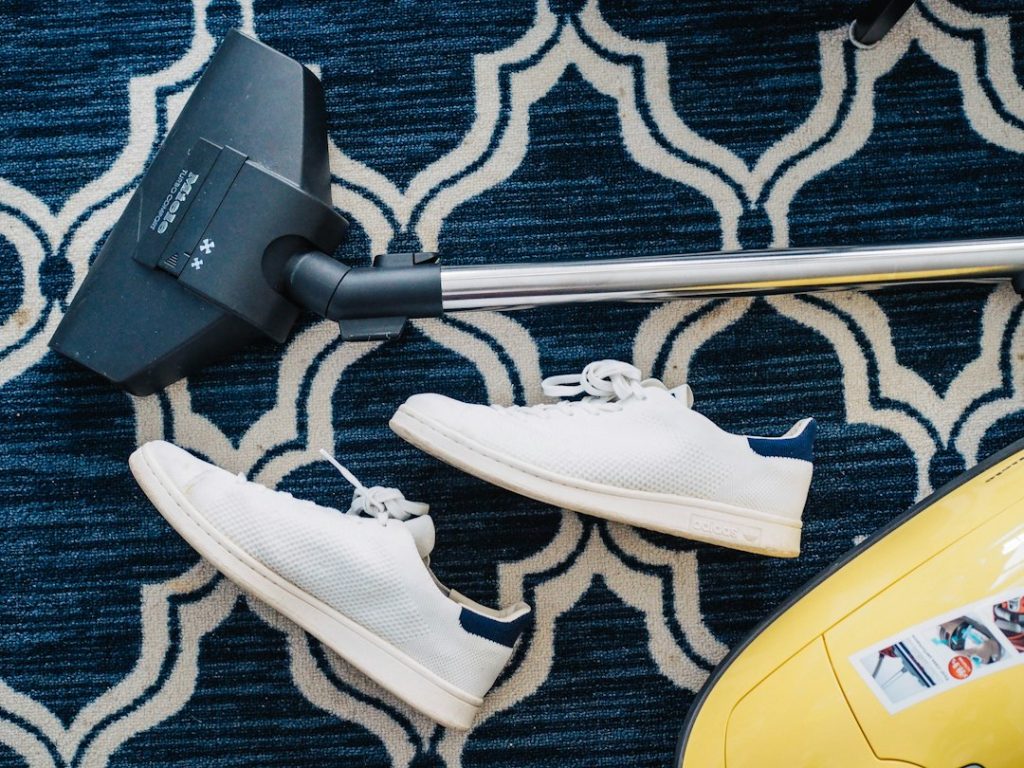
Deep carpet stains are the bane of any homeowner’s existence, transforming plush fibers into a roadmap of spills, accidents, and everyday grime. By 2026, the quest for pristine carpets hinges on understanding the two primary titans of deep cleaning: steam cleaning and chemical extraction. While both aim to lift stubborn marks, their methodologies, effectiveness, and potential drawbacks diverge significantly. This article dissects these processes, offering a no-holds-barred comparison to determine which method reigns supreme for tackling the most challenging carpet stains.
The Contenders: Understanding the Core Technologies
At their heart, both steam cleaning and chemical extraction rely on the principle of using a liquid solution to break down and lift stains from carpet fibers. However, the nature of that solution and the mechanics of its application are fundamentally different, leading to distinct cleaning outcomes.
Steam Cleaning: Hot Water Extraction Explained
Often colloquially referred to as “steam cleaning,” this method is more accurately termed “hot water extraction.” It involves injecting a mixture of hot water and a cleaning solution deep into the carpet fibers under pressure. Almost immediately, a powerful vacuum simultaneously extracts the hot water, dissolved dirt, cleaning solution, and allergens. The high temperature of the water plays a crucial role, helping to break down grease and kill bacteria and dust mites. The process is thorough, aiming to rinse out the cleaning agents along with the suspended soil.
Chemical Extraction: The Power of Solvents and Detergents
Chemical extraction, on the other hand, leans heavily on specialized cleaning solutions, often containing strong detergents, solvents, and surfactants. These chemicals are designed to break down specific types of stains – grease, proteins, pigments, and more. The process typically involves applying the chemical solution to the carpet, allowing it to dwell and work on the stain, and then using a machine to extract the solution along with the dissolved stain. While some machines use hot water, the emphasis is on the chemical action rather than the heat itself. The risk here is that aggressive chemicals may not be fully rinsed out, potentially leaving residues that attract dirt or cause fiber damage.
Deep Stain Battleground: Performance Comparison
When faced with the most notorious carpet offenders, the performance of steam cleaning and chemical extraction can vary dramatically. The type of stain dictates which method might offer a superior outcome.
Tackling Pet Stains: Odor and Visibility
Pet accidents, with their inherent biological components, present a dual challenge: visible stains and lingering odors. Hot water extraction excels here. The high temperatures can help neutralize odor-causing bacteria, while the powerful rinse action flushes out the urine or vomit residues. While some specialized pet stain removers are available for chemical extraction, they often struggle to completely eliminate the deep-set odors without leaving behind their own chemical scent. For urine stains, complete extraction is key to preventing the “wicking” effect, where the stain reappears as the carpet dries.

Erasing Food and Drink Spills: Grease and Pigment Removal
Spills like red wine, coffee, grease, and sauces are common culprits for colorful and sticky messes. Chemical extraction often has an edge with these types of stains, especially those involving heavy grease or stubborn pigments. The targeted solvents and surfactants in chemical cleaners are specifically formulated to break down these complex compounds. While steam cleaning can lift many food and drink stains, particularly when combined with appropriate pre-treatments, it may sometimes struggle with deeply set grease or highly concentrated dyes without significant repeat treatments or specialized additives.
The Toughest Grime: Mud, Oil, and Embedded Dirt
For deeply embedded dirt, mud tracked in from outdoors, or oily residues, both methods can be effective, but the approach differs. Hot water extraction’s high-pressure spray can dislodge mud and dirt, and the powerful vacuum removes it. For oily stains, the hot water itself aids in breaking down the oil before extraction. Chemical extraction can also work on these, but the success hinges heavily on the specific chemical formulation. If the dirt is heavily soiled and oily, a chemical pre-treatment followed by extraction might be necessary. However, aggressive chemicals could potentially spread oily stains if not carefully managed.
| Stain Type | Steam Cleaning (Hot Water Extraction) | Chemical Extraction |
|---|---|---|
| Pet Stains (Urine, Vomit) | Excellent: High heat neutralizes odors, deep rinse removes residue. | Good: Effective on visible stain, but odor removal can be challenging; risk of chemical residue. |
| Food & Drink Spills (Wine, Coffee, Grease) | Good to Very Good: Effective, especially with pre-treatment; may require multiple passes for heavy grease/dye. | Very Good to Excellent: Formulated solvents target pigments and grease effectively. |
| Embedded Dirt & Mud | Very Good: High-pressure spray loosens, strong vacuum removes. | Good: Effective, but may require specific formulations for oily components. |
| General Grime & Traffic Areas | Very Good: Thorough cleaning and rinsing. | Good to Very Good: Effective, but residue can be a long-term issue. |
Beyond Stains: Additional Factors for Carpet Care
Effectiveness on stains is paramount, but a comprehensive comparison must consider other critical aspects of carpet maintenance, from user experience to long-term implications.
Drying Time: Minimizing Disruption
One of the most significant differences lies in drying time. Hot water extraction, while using water, is designed for rapid extraction, leaving carpets damp rather than soaked. Typical drying times range from 4 to 12 hours, depending on humidity, airflow, and the machine’s power. Chemical extraction can sometimes leave carpets wetter if the extraction process is less efficient, or if excessive solution is applied. Some chemical treatments, particularly those designed for deep cleaning without immediate extraction, can also require longer drying periods. Faster drying minimizes disruption to household activities and reduces the risk of mold or mildew growth.
Carpet Fiber Health: Longevity and Wear
The long-term health of your carpet fibers is a crucial consideration. Aggressive chemicals used in some extraction methods can potentially break down carpet fibers over time, leading to premature wear, fading, or a change in texture. Harsh detergents can strip natural protective coatings from wool or synthetic fibers. Hot water extraction, when done correctly with appropriate solutions and thorough rinsing, is generally considered gentler on carpet fibers. The high heat, however, might be a concern for certain delicate natural fibers like silk or some types of wool, where cooler water temperatures are recommended.

Environmental and Health Considerations
The environmental and health impact of cleaning methods is increasingly important. Chemical extraction relies on detergents and solvents, some of which can release Volatile Organic Compounds (VOCs) into the air, potentially affecting indoor air quality and posing risks to individuals with respiratory sensitivities, allergies, or chemical sensitivities. Hot water extraction, while using cleaning solutions, typically employs more environmentally friendly formulations, and the high heat can sanitize the carpet, reducing allergens and bacteria without harsh chemicals. However, the energy consumption of the machines for both methods can be significant.
Cost Analysis: Equipment and Service Charges
The cost landscape for both methods involves equipment purchase or rental, and professional service fees.
DIY Equipment: Rental machines for both hot water extraction and chemical cleaning are widely available and typically cost $30-$80 per day. Purchasing a high-quality home unit can range from $150 for basic models to $500+ for professional-grade machines.
Professional Services: Professional cleaning services often charge based on the number of rooms or square footage. Hot water extraction services generally range from $0.15 to $0.40 per square foot, or $30-$60 per room. Chemical cleaning services can be similarly priced, but specialized treatments for severe stains might incur additional fees.
Long-term Costs: While chemical cleaners might seem cheaper upfront for DIY, the potential for fiber damage and the need for more frequent cleaning due to residue attracting dirt can increase long-term costs. Hot water extraction, though potentially more expensive per session initially, can contribute to longer carpet life.
| Factor | Steam Cleaning (Hot Water Extraction) | Chemical Extraction |
|---|---|---|
| Drying Time | 4-12 hours (Generally faster) | Can vary, sometimes longer if over-saturated. |
| Carpet Fiber Safety | Generally very safe; high heat may affect delicate natural fibers. | Risk of damage from harsh chemicals with some fiber types. |
| Health/Environment | Lower VOCs, sanitizing effect; uses cleaning solutions. | Potential for higher VOCs, chemical residues. |
| DIY Rental Cost | $30-$80/day | $30-$80/day |
| Professional Cost/Sq Ft | $0.15 – $0.40 | $0.15 – $0.40 (Specialized treatments may cost more) |
Expert Insights and Real-World User Experiences
Industry professionals and everyday users often gravitate towards one method over the other based on specific needs and experiences. Understanding these perspectives can provide valuable context.
When Steam Shines: Ideal Scenarios for Hot Water Extraction
Experts frequently recommend hot water extraction for routine deep cleaning, especially in households with children and pets. Its ability to thoroughly rinse out cleaning agents, sanitize surfaces, and effectively remove allergens makes it a go-to for maintaining a healthy home environment. It’s particularly favored for tackling general soiling, mud, and biological stains where a deep clean and rinse are paramount. Many professionals consider it the industry standard for overall carpet restoration.

When Chemicals Prevail: Best Use Cases for Extraction Cleaners
Chemical extraction shines when dealing with specific, challenging stains that require targeted chemical action. This includes heavily soiled commercial carpets, stubborn greasy kitchen stains, or very old, set-in pigment stains where specialized solvents are the only recourse. Some users also prefer the potentially brighter appearance and residual scent left by certain chemical cleaners, provided they don’t experience adverse reactions or long-term dirt attraction.
DIY vs. Professional: Making the Right Choice
For deep stains and thorough cleaning, professional services generally yield superior results. Professionals have access to more powerful, higher-quality equipment and a wider range of cleaning solutions, allowing them to tailor the treatment to your specific carpet type and stain. They also possess the expertise to avoid common DIY pitfalls like over-wetting, using the wrong chemicals, or inadequate extraction, which can lead to more harm than good. While DIY rental machines can offer cost savings for lighter cleaning, tackling severe, deep-set stains often benefits from expert intervention.
Final Verdict: Which Method Wins for Deep Carpet Stains in 2026?
The battle between steam cleaning (hot water extraction) and chemical extraction for deep carpet stains is not about one method being universally superior, but rather about identifying the right tool for the specific job. However, when considering the overall health of your carpet, your living environment, and the broad effectiveness against the most common and challenging deep stains, hot water extraction emerges as the more robust and versatile champion for 2026.
👑 Ultimate Winner: Steam Cleaning (Hot Water Extraction)
Hot water extraction offers a superior balance of deep cleaning power, sanitization, and safety for most carpet types. Its ability to flush out both stains and cleaning residues minimizes the risk of long-term fiber damage and recurring dirt attraction, which can be a concern with chemical-heavy methods. It excels particularly well with biological stains from pets and is effective on a wide range of common household spills. While specialized chemical treatments might be necessary for extremely rare or stubborn stains, for the vast majority of deep-set carpet issues, hot water extraction provides a more thorough, healthier, and ultimately more effective long-term solution for maintaining pristine carpets.
