
How to Remove Stubborn Hard Water Stains from Glass Shower Doors in 2026
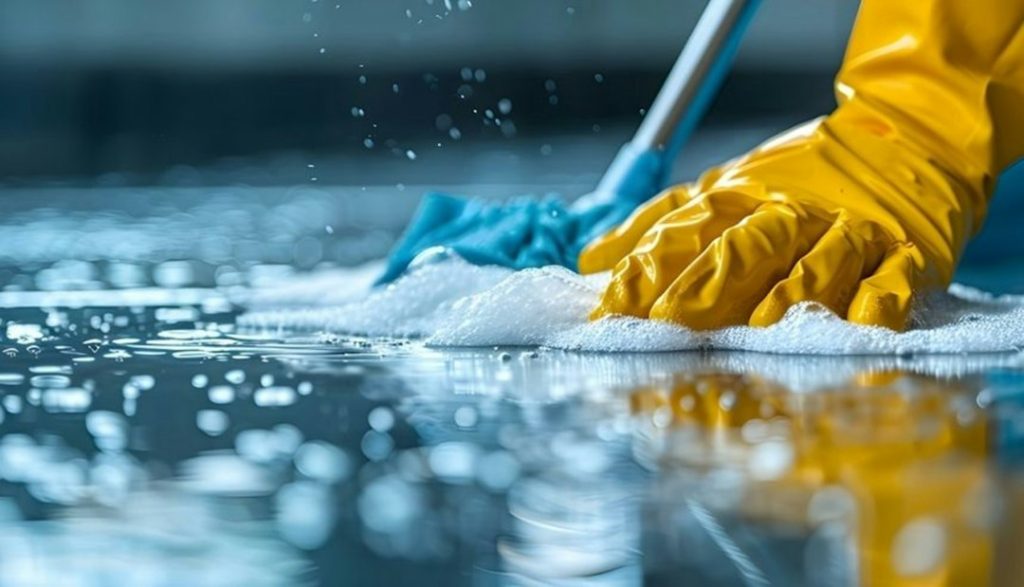
🧰 Tools & Gear You’ll Need
- White Vinegar
- Baking Soda
- Lemon Juice (optional)
- Dish Soap
- Microfiber Cloths (several)
- Non-Abrasive Scrub Sponge or Pad
- Spray Bottle
- Squeegee
- Gloves
- Optional: Commercial Hard Water Stain Remover, Steam Cleaner
Understanding the Enemy: What Causes Stubborn Hard Water Stains?
Those cloudy, chalky splotches on your glass shower doors aren’t just an eyesore; they’re a persistent reminder of the minerals lurking in your water supply. Left unchecked, they harden into a formidable foe that standard bathroom cleaners often can’t conquer. Understanding the culprits is the first step in developing a winning strategy.
The Chemistry of Mineral Buildup
Tap water, especially in certain regions, is rich in dissolved minerals like calcium and magnesium. When water evaporates from your shower door, these minerals are left behind. Initially, they form a thin, almost invisible film. However, with repeated evaporation cycles and the absence of regular cleaning, these mineral deposits layer upon themselves, gradually becoming thicker and more opaque. This isn’t just dirt; it’s a chemical residue that bonds to the glass surface. The heat from the shower can sometimes accelerate this process, making the bonds even stronger.

Why Some Showers Are More Prone to Stains
The intensity of hard water stains is heavily influenced by your local water’s mineral content, often referred to as water hardness. Areas with “hard” or “very hard” water will see stains develop much faster and more severely. Additionally, the temperature of your shower water plays a role; hotter water tends to hold more dissolved minerals, which can then precipitate out more readily as the water cools and evaporates. The frequency of shower use and how thoroughly doors are dried after each use are also critical factors. If water is left to sit and evaporate on the glass day after day, mineral buildup is almost inevitable.
The Arsenal: Gathering Your Cleaning Supplies
Before you start battling those stubborn stains, arm yourself with the right tools and cleaning agents. You don’t always need harsh chemicals; often, a combination of common household items and a bit of elbow grease can do the trick. However, for truly calcified deposits, a more potent solution might be necessary.
Essential Cleaning Agents (Vinegar, Lemon Juice, Baking Soda)
These natural powerhouses are your first line of defense. White vinegar, with its acetic acid content, is excellent at breaking down mineral deposits. Lemon juice offers a similar acidic punch, along with a fresh scent. Baking soda, a mild abrasive, is perfect for scrubbing away loosened grime without scratching the glass. Their safety and affordability make them ideal for routine treatment.
Specialized Hard Water Stain Removers
When DIY solutions fall short, commercial cleaners designed specifically for hard water stains become indispensable. Look for products containing stronger acids (like hydrochloric or sulfamic acid) or chelating agents that actively bind to and lift mineral ions. Always read the labels carefully and follow instructions precisely, as these can be more aggressive. Remember, the “best” commercial cleaner often depends on the severity and age of the stains.
Tools of the Trade: Squeegees, Microfiber Cloths, and Non-Abrasive Scrubbers
Your cleaning agents need effective delivery systems. A good quality squeegee is crucial for daily maintenance, preventing water from drying on the glass in the first place. Microfiber cloths are essential for applying cleaners, wiping surfaces, and buffing the glass to a streak-free shine. For scrubbing, opt for non-abrasive pads or sponges. Steel wool, abrasive scouring pads, or even aggressive scrubbing brushes can permanently scratch your glass, turning a cosmetic issue into a costly repair. Always err on the side of caution with glass.
Step-by-Step: How to Remove Stubborn Hard Water Stains
Tackling hard water stains requires patience and the right method. Start with the gentlest approach and escalate only if necessary. Remember to protect yourself and your surroundings.
Method 1: The All-Natural Approach (Vinegar & Baking Soda)
Preparation
Ensure good ventilation. Put on your gloves. Mix equal parts white vinegar and water in a spray bottle. For tougher jobs, you can use straight vinegar, but always test in an inconspicuous area first. Have a box of baking soda nearby.
Application
Generously spray the vinegar solution onto the glass doors, ensuring all stained areas are thoroughly wetted. Let it sit for at least 15-30 minutes. For very stubborn stains, you might need to let it soak for an hour or even longer. Reapply the spray if it starts to dry out.
Scrubbing with Baking Soda
Create a paste by mixing baking soda with a small amount of water or vinegar. Apply this paste directly onto the softened stains. Use a non-abrasive sponge or cloth to gently scrub the areas in a circular motion. The baking soda acts as a mild abrasive to help lift the dissolved mineral deposits. Be firm but avoid excessive force.
Rinsing and Drying
Rinse the glass thoroughly with clean water. Use your squeegee to remove excess water, starting from the top and working your way down. Follow up with a clean, dry microfiber cloth to buff the glass and remove any remaining streaks. Inspect the door for any lingering stains and repeat the process if necessary.
Method 2: Tackling Tougher Stains with Commercial Cleaners
Safety First
Read the product label carefully. Ensure the cleaner is safe for glass. Wear gloves and eye protection, and make sure the bathroom is well-ventilated. Open windows and turn on the exhaust fan.
Application
Apply the commercial cleaner according to the manufacturer’s instructions. This usually involves spraying it directly onto the stained areas. Allow the recommended dwell time – often shorter than vinegar but crucial for the chemicals to work.
Scrubbing
Use a non-abrasive sponge or cloth to gently scrub the treated areas. The cleaner should have softened the mineral deposits, making them easier to remove. Avoid aggressive scrubbing that could damage the glass.
Thorough Rinsing and Drying
Rinse the doors completely with water to remove all traces of the cleaner. Use a squeegee for initial water removal and finish with a clean microfiber cloth for a streak-free shine. Never mix different cleaning products, as this can create dangerous fumes.
Method 3: The Power of Steam Cleaning (if applicable)
For those with access to a steam cleaner, this can be a highly effective, chemical-free method. The intense heat of the steam helps to loosen mineral deposits, making them easier to wipe away. Start by steaming the glass and then immediately wipe with a microfiber cloth or squeegee. For extremely tough spots, you might follow up with a gentle scrub after steaming.
Dealing with Etched or Damaged Glass
If the hard water stains have been left for so long that they appear to have etched into the glass, no amount of cleaning will completely remove them. Etching is physical damage to the glass surface. In such cases, your options are limited. Gentle polishing with a specialized glass polishing compound *might* slightly improve the appearance, but it’s a delicate process that can easily cause more damage if done incorrectly. For deeply etched glass, the only true solution is to replace the glass panel.

Prevention is Key: Keeping Your Shower Doors Sparkling Year-Round
The best offense against hard water stains is a good defense. Implementing a consistent prevention routine will save you significant scrubbing time and effort in the long run.
Daily Habits to Prevent Buildup
The simplest and most effective habit is to squeegee your shower doors after every use. This removes the bulk of the water before it has a chance to evaporate and leave minerals behind. Follow up with a quick wipe-down with a microfiber cloth to catch any remaining drips. This takes less than a minute and makes a massive difference.
Weekly Maintenance for Lasting Shine
Once a week, give your shower doors a more thorough cleaning. A quick spray with your vinegar-water solution, a light scrub if needed, and a thorough rinse and squeegee can keep minor buildup at bay. This prevents stains from becoming deeply ingrained and difficult to remove.
Choosing the Right Shower Cleaners for Ongoing Care
For regular cleaning, stick to pH-neutral or mildly acidic cleaners. Avoid harsh, abrasive cleaners daily, as they can wear down protective coatings on the glass over time, making them more susceptible to future staining. Look for daily shower sprays that help rinse away soap scum and minerals.
Expert Tips and Tricks for Effortless Shower Door Maintenance
Mastering shower door maintenance involves understanding common pitfalls and leveraging insider knowledge.
Avoiding Common Cleaning Mistakes
One of the biggest mistakes is using abrasive materials like steel wool or harsh scouring pads. Another is mixing cleaning chemicals, which can produce toxic fumes. Over-reliance on overly strong chemicals without proper ventilation or protection can also be harmful. Finally, not rinsing thoroughly enough can leave cleaner residue that attracts dirt or causes its own streaks.
When to Call a Professional
If you’ve tried multiple methods, including professional-grade cleaners, and the stains persist or appear to be etched into the glass, it might be time to consult a glass restoration specialist. They have access to industrial-grade equipment and compounds that can sometimes remove deep-set stains or repair minor etching that DIY methods cannot address. For severely damaged or etched glass, replacement is the only viable option.

FAQ: Your Toughest Hard Water Stain Questions Answered (2026)
Can I use abrasive cleaners on my shower doors?
Generally, no. Standard glass shower doors are not designed to withstand abrasive cleaners like steel wool, scouring pads, or gritty powders. While they might seem effective initially, they will create micro-scratches on the glass surface. These scratches not only dull the appearance but also create tiny crevices where mineral deposits and soap scum can adhere even more readily, making future cleaning even harder. Stick to non-abrasive sponges, microfiber cloths, and specialized cleaning tools.
How often should I clean my shower doors to prevent stains?
For optimal results, aim for a daily quick squeegee and wipe-down immediately after each shower. Perform a more thorough cleaning (using a mild cleaner like vinegar solution) at least once a week. This consistent maintenance prevents hard water stains from forming and accumulating to the point where they become stubborn and difficult to remove.
Are there any DIY solutions for extremely stubborn stains?
For extremely stubborn stains that vinegar and baking soda can’t handle, you can try a paste made from baking soda and a commercial CLR (Calcium, Lime, Rust) remover, but *use extreme caution*. Ensure both products are suitable for glass, wear heavy-duty gloves and eye protection, and ventilate the area extremely well. Apply the paste, let it sit for only a few minutes (monitoring closely), and then gently scrub and rinse immediately. Another advanced DIY tactic involves using a diluted solution of Muriatic acid (hydrochloric acid) – but this is highly corrosive and dangerous, requires extensive safety precautions, and is generally not recommended for home use unless you have experience. Always prioritize safety and consider professional help before attempting highly aggressive DIY solutions.
