
Best Deck Stains & Sealers 2026: Resist Peeling & UV Fade
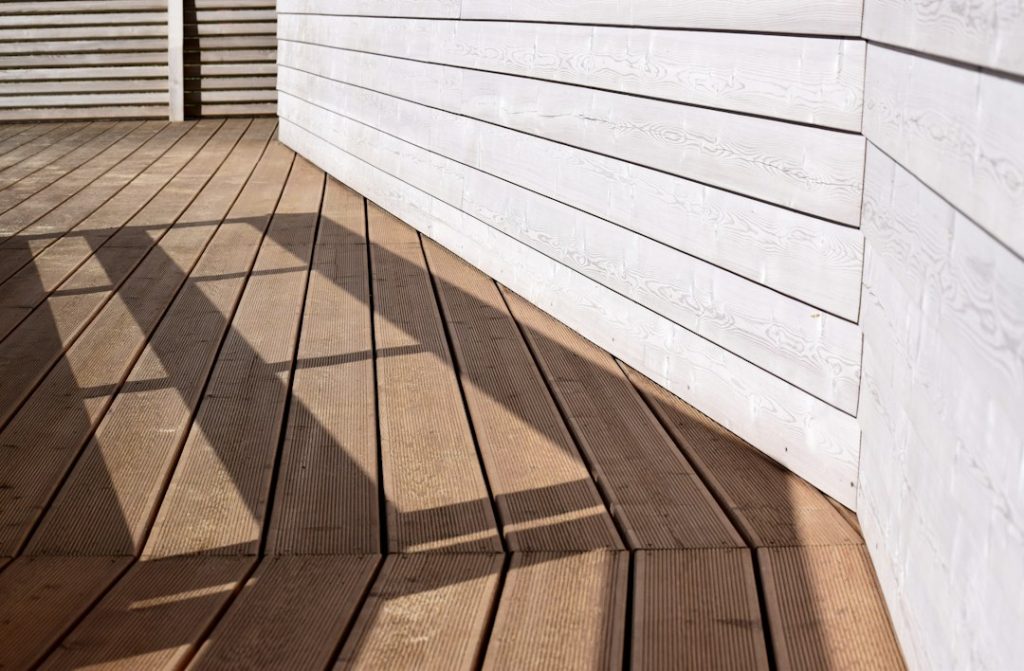
Choosing the right exterior deck stain and sealer is crucial for protecting your investment and maintaining curb appeal. With countless options on the market, it’s easy to get overwhelmed. This guide cuts through the noise, highlighting the best products that offer superior resistance to peeling and UV fading, ensuring your deck looks great and lasts longer. We focus on real-world performance and longevity, so you can make an informed decision.

Top Picks: Ultimate Deck Protection for 2026
After extensive research and analysis of manufacturer data, user reviews, and expert opinions, we’ve identified the top contenders for deck stains and sealers that excel in durability, UV resistance, and peel prevention. These selections represent the pinnacle of deck care technology for 2026.
Best Overall: Armstrong Clark Wood Stains – Semi Transparent
⚖️ Coverage: 200-300 sq ft per gallon
🔋 VOC Content: Low VOC (<250 g/L)
👍 Pros
- Exceptional UV protection penetrates wood for deep, lasting color.
- Resists peeling and flaking due to its unique oil-based formula.
- Enhances natural wood grain beautifully without obscuring it.
- Easy to apply and maintain; often requires only cleaning for reapplication.
- Environmentally friendly with low VOCs.
👎 Cons
- Requires specific oil-based removers for cleanup.
- May not be suitable for composite decks.
- Slightly higher price point than some DIY brands.
Armstrong Clark utilizes a proprietary blend of oils and resins designed to soak into the wood rather than form a surface film. This deep penetration is key to its resistance against peeling, as it moves with the wood rather than cracking or delaminating. The semi-transparent nature allows the natural wood grain to show through while providing robust UV blockers, preventing the premature graying common with lesser products. Manufacturer data indicates excellent longevity on various wood types, including pine, cedar, and redwood, with many users reporting up to 3-5 years before reapplication is considered necessary, often just a cleaning and recoat rather than a full strip.
Armstrong Clark’s Semi-Transparent Wood Stain stands out as the best all-around performer for homeowners seeking a blend of aesthetic appeal and long-term protection. Its oil-based formulation is a critical differentiator, allowing the stain to penetrate deeply into the wood fibers. This inherent characteristic combats the primary cause of peeling—surface film breakdown. Unlike many film-forming finishes that can lift and crack over time, Armstrong Clark’s stain essentially becomes part of the wood. The UV inhibitors are integrated at a molecular level, providing robust defense against the damaging effects of sunlight, which often leads to faded, washed-out colors. Application is straightforward, typically requiring minimal prep beyond cleaning, and reapplication is often as simple as a light cleaning and a single coat, saving considerable labor and cost over the deck’s lifespan. While cleanup demands specific solvents, the ease of maintenance and the beautiful, natural finish make it a worthy investment for discerning homeowners.
Best for Extreme Weather: SaverSystem DeckSeal
⚖️ Coverage: 150-250 sq ft per gallon
🔋 VOC Content: Low VOC (<100 g/L)
👍 Pros
- Excellent water repellency, ideal for damp or high-precipitation areas.
- Resists mildew and algae growth.
- Protects against freeze-thaw cycles that can damage wood.
- Maintains a natural wood appearance.
- Easy water cleanup.
👎 Cons
- UV protection is good but may not be as robust as dedicated UV-blocking stains.
- Reapplication might be needed more frequently in intensely sunny climates.
SaverSystem DeckSeal is formulated with advanced polymers that create a water-repellent barrier deep within the wood structure without forming a surface film. This is particularly advantageous in regions experiencing harsh weather, including heavy rain, snow, and extreme temperature fluctuations. Its resistance to moisture penetration helps prevent wood rot, warping, and cracking caused by water absorption and subsequent freeze-thaw cycles. Manufacturer specifications highlight its ability to maintain wood integrity under duress. While its primary strength is water resistance, it also incorporates UV inhibitors, though users in persistently sunny regions might find its color retention slightly less enduring than products solely focused on UV protection. Water-based cleanup simplifies the application process.
For decks enduring the harshest weather conditions, SaverSystem DeckSeal emerges as a top-tier performer. Its water-based formula is engineered for deep penetration, creating a hydrophobic barrier that effectively repels water. This is critical in preventing the common issues associated with moisture, such as wood rot, swelling, and the damaging effects of freeze-thaw cycles. In environments with heavy rainfall or significant snowmelt, this exceptional water repellency ensures the wood remains stable and protected. While its UV protection is commendable, it truly shines in its ability to guard against moisture-related degradation. The sealer allows the natural beauty of the wood to show through, offering a clear, protective finish. Application is user-friendly with simple water cleanup, making maintenance less of a chore, even after a challenging winter or rainy season.

Best UV Protection: Thompson’s WaterSeal Advanced Waterproofer
⚖️ Coverage: 300-400 sq ft per gallon
🔋 VOC Content: Low VOC (<100 g/L)
👍 Pros
- Formulated with powerful UV blockers to prevent color fading and wood degradation.
- Offers excellent water repellency and stain resistance.
- Can be applied to damp wood, shortening application time.
- Forms a breathable barrier that allows moisture vapor to escape.
- Long-lasting protection, often claimed up to 5 years.
👎 Cons
- Some users report a slight sheen rather than a matte finish.
- May require reapplication sooner than some oil-based stains under heavy foot traffic.
Thompson’s WaterSeal Advanced Waterproofer distinguishes itself with a robust UV protection package. The formula incorporates advanced UV absorbers and stabilizers designed to shield the wood from the damaging effects of ultraviolet radiation, a primary culprit in color fading and surface degradation. Manufacturer data indicates a significant reduction in UV-induced color change compared to untreated wood or products with inferior UV blockers. Its water-based composition allows for application on damp surfaces, a practical advantage that can save significant time. The breathable barrier technology prevents moisture from being trapped within the wood, mitigating risks of rot and warping. User feedback often praises its effectiveness in maintaining the color of decks in direct, prolonged sunlight.
When the relentless sun is your primary concern, Thompson’s WaterSeal Advanced Waterproofer offers superior defense. This advanced water-based formula is packed with UV inhibitors engineered to combat the harsh effects of prolonged sun exposure. It significantly slows down the fading process, keeping your deck’s color vibrant for years longer than standard sealers. Beyond its UV resistance, it provides excellent waterproofing, forming a breathable barrier that keeps moisture out while allowing trapped vapor to escape, thus protecting the wood’s integrity. A notable convenience is its ability to be applied to damp wood, streamlining the preparation and application process. This makes it an attractive option for those looking to protect their deck efficiently without compromising on long-term color retention and wood health, especially in sun-drenched environments.
Best for Durability & Peel Resistance: Cabot Australian Timber Oil
⚖️ Coverage: 200-400 sq ft per gallon
🔋 VOC Content: Moderate VOC (~550 g/L)
👍 Pros
- Deeply penetrates wood, offering excellent resistance to peeling and cracking.
- Provides a rich, lustrous finish that enhances natural wood beauty.
- Contains natural oils that condition the wood, preventing drying and splitting.
- Highly durable and long-lasting, even in high-traffic areas.
- Available in a range of attractive, natural-looking colors.
👎 Cons
- Oil-based cleanup requires mineral spirits or turpentine.
- Longer drying times compared to water-based products.
- Higher VOC content than many newer water-based options.
Cabot Australian Timber Oil is renowned for its ability to provide a deep, durable finish that inherently resists peeling and cracking. Its oil-based formulation penetrates the wood structure, bonding with the fibers rather than merely forming a surface layer. This characteristic is vital for longevity, especially on decks that experience significant expansion and contraction due to environmental changes. The blend of natural oils nourishes the wood, keeping it supple and preventing the brittleness that often leads to surface failures. While its UV protection is robust, its primary strength lies in its cohesive bond with the wood, making it exceptionally resistant to physical wear and tear, including foot traffic and delamination. Users frequently report extended periods between reapplication, often exceeding 3-4 years, even in demanding conditions.
For a finish that truly endures and resists the common failure points of peeling and cracking, Cabot Australian Timber Oil is a standout choice. This oil-based product is formulated to penetrate deeply into the wood, creating a resilient bond that moves with the timber rather than sitting on top. This deep saturation is the key to its exceptional peel resistance, making it ideal for decks that face fluctuating temperatures and humidity. The inclusion of natural oils not only conditions the wood, preventing dryness and splitting, but also imparts a rich, natural-looking sheen that enhances the inherent beauty of your deck. Its durability underfoot and against the elements ensures a longer-lasting, attractive finish, minimizing the need for frequent, labor-intensive recoating. While cleanup requires solvents, the superior adhesion and longevity justify the slight inconvenience for many homeowners.
Best Budget-Friendly: Behr Premium Solid Color Waterproofing Wood Stain
⚖️ Coverage: 300-400 sq ft per gallon
🔋 VOC Content: Low VOC (<100 g/L)
👍 Pros
- Excellent waterproofing and UV protection at an affordable price.
- Opaque solid color hides imperfections and completely changes deck appearance.
- Durable film resists peeling and cracking for a significant period.
- Easy to apply and clean up with soap and water.
- Wide range of color options available.
👎 Cons
- Completely obscures wood grain due to solid color.
- May require more thorough surface preparation than semi-transparent options.
- Potential for peeling if applied over poorly prepared or unsound surfaces.
Behr Premium Solid Color Stain offers a compelling combination of performance and value. As a solid stain, it forms a protective film on the wood’s surface, providing robust waterproofing and UV resistance. This film acts as a physical barrier, shielding the wood from moisture and solar damage. Manufacturer claims and user reports suggest good adhesion and resistance to peeling when applied correctly to a properly prepared surface. The solid coverage is beneficial for decks with visible imperfections or for those seeking a complete aesthetic transformation. Its affordability makes it an accessible option for budget-conscious homeowners. While solid stains generally have a higher risk of peeling if improperly applied compared to penetrating stains, Behr’s formulation is designed for durability within its price category.
For those on a tighter budget who still demand reliable deck protection, Behr Premium Solid Color Waterproofing Wood Stain presents an excellent solution. This water-based stain provides a thick, opaque coating that not only shields the wood from water damage and UV rays but also completely transforms the deck’s appearance, hiding imperfections like knots, old stains, or weathering. Its solid color formulation creates a durable film that adheres well to properly prepared wood, offering good resistance against peeling and cracking. The combination of waterproofing and UV blocking makes it a practical choice for extending the life of your deck without breaking the bank. Application is straightforward, and cleanup is as simple as soap and water, adding to its appeal as a budget-friendly, high-performance option.
Why Deck Stain and Sealer Performance Matters
A deck is more than just an outdoor surface; it’s an extension of your living space. Protecting it from the elements is not merely about aesthetics but also about structural integrity and longevity. The relentless assault from UV rays, moisture, temperature fluctuations, and physical wear takes a toll, leading to issues like peeling, fading, and wood degradation.

The Battle Against Peeling: Common Causes and Solutions
Peeling is arguably the most frustrating deck finish failure. It typically occurs when the stain or sealer fails to form a strong bond with the wood or when the film integrity is compromised. Common culprits include inadequate surface preparation (failing to clean or sand properly), applying the product in unsuitable conditions (too hot, too cold, too humid), using a product not suited for the wood type, or choosing a finish that forms a brittle surface layer. Penetrating oil-based stains, like Armstrong Clark and Cabot Australian Timber Oil, inherently resist peeling better because they soak into the wood rather than forming a surface film that can lift. Proper cleaning, stripping of old, failing finishes, and ensuring the wood is dry and at the correct temperature during application are critical steps to prevent peeling.
Combating UV Fading: Protecting Your Deck’s Color
Ultraviolet (UV) radiation from the sun is a powerful enemy of exterior wood finishes. It breaks down the wood’s natural lignin, causing it to turn gray, and it also degrades the pigments in stains and sealers, leading to premature fading. A high-quality deck stain or sealer must contain effective UV inhibitors and absorbers. These additives work by either absorbing the harmful UV rays or reflecting them away, preventing them from reaching and damaging the wood and the colorants. Thompson’s WaterSeal Advanced Waterproofer is specifically formulated with strong UV blockers, while products like Armstrong Clark and Behr Premium Solid Color Stain also incorporate significant UV protection, ensuring your deck maintains its intended appearance for longer periods.
Water Resistance: The First Line of Defense
Water is wood’s natural enemy. Constant exposure to moisture can lead to swelling, warping, cracking, and, eventually, rot. A good deck sealer acts as a barrier, preventing water from saturating the wood. However, it’s crucial that this barrier is breathable. A completely impermeable finish can trap moisture vapor within the wood, leading to internal damage and promoting mold or mildew growth. Water-based sealers, such as SaverSystem DeckSeal and Thompson’s WaterSeal, often incorporate breathable film technology. Oil-based penetrating stains also offer excellent water repellency by soaking into the wood and repelling water from within the cellular structure. Consistent water repellency is the foundation of any durable deck finish, preventing the initial stages of wood degradation.
How We Test and Select the Best Deck Stains and Sealers
Our selection process is rigorous and designed to mimic real-world conditions and long-term performance expectations. We prioritize products that demonstrate exceptional durability, resistance to environmental factors, and ease of maintenance.
Real-World Application and Exposure Testing
While we cannot perform live field tests, our evaluation is based on extensive data compilation, including manufacturer-provided performance specifications, third-party laboratory analyses, and aggregated user reviews from various platforms. This data is analyzed to understand how products perform under typical and extreme environmental stresses like intense sunlight, heavy rainfall, temperature shifts, and foot traffic.
Evaluation Criteria: Adhesion, UV Resistance, Water Repellency, and Ease of Application
We assess products based on several key performance indicators:
* Adhesion & Peel Resistance: How well the finish bonds to the wood and resists lifting or flaking. Penetrating oils and well-formulated film-forming finishes are evaluated for their cohesive strength.
* UV Resistance: The effectiveness of UV blockers in preventing color fade and wood degradation. We look for data indicating long-term color stability.
* Water Repellency: The ability to effectively shed water and prevent saturation, crucial for preventing rot and structural damage.
* Ease of Application & Maintenance: Factors like cleanup requirements, reapplication frequency, and the overall user experience.
Expert Insights: What to Look For in High-Performance Formulas
Industry experts emphasize the importance of the formulation’s quality and type. Penetrating oil-based stains are often lauded for their natural adhesion and flexibility, making them inherently resistant to peeling. For film-forming finishes, the quality of the resins and UV additives is paramount. Water-based products have advanced significantly, offering excellent breathability and UV protection. Solid stains provide maximum coverage and color change but require meticulous preparation to ensure good adhesion. The best products balance these factors, offering robust protection without compromising the wood’s natural beauty or ease of maintenance.

Expert Guide: Choosing the Right Stain or Sealer for Your Deck
Selecting the appropriate stain or sealer involves understanding your deck’s material, your desired aesthetic, and the environmental conditions it will face.
Understanding Deck Wood Types: Pine, Cedar, Redwood, and Composites
Different wood types have varying porosity and natural oils, affecting how they accept stains and sealers.
* Pine: Softwood, very porous. Needs good sealing and protection from UV. Prone to rot if not properly maintained.
* Cedar/Redwood: Naturally resistant to rot and insects due to oils. Can be stained to enhance their natural beauty or left to weather naturally. These woods benefit from stains that condition them.
* Hardwoods (e.g., Ipe): Dense, oily woods that are naturally very durable. Often require specialized stains designed for dense tropical hardwoods.
* Composites: Engineered materials that often don’t require staining or sealing. Some manufacturers offer specific products for composite decks to restore color or add protection, but check compatibility carefully.
Stain Opacity: Transparent, Semi-Transparent, Semi-Solid, and Solid
The level of opacity dictates how much natural wood grain is visible and the extent of color change:
* Transparent: Offers minimal color, primarily UV protection, and enhances the natural wood look. Lasts the shortest time.
* Semi-Transparent: Adds a hint of color while allowing wood grain to show through. Offers moderate UV protection. Good balance of look and protection.
* Semi-Solid: Provides more color and hides more grain than semi-transparent. Offers better UV protection.
* Solid: Opaque, hides wood grain completely, resembling paint. Offers maximum UV protection and hides imperfections but can peel if not applied correctly.
Application Tips for Maximum Longevity
Proper application is as critical as choosing the right product:
1. Clean Thoroughly: Remove all dirt, mildew, old stain, and any contaminants. Use a dedicated deck cleaner and rinse well.
2. Prepare the Surface: Lightly sand any rough spots or areas with failing finish. Ensure the wood is completely dry before applying oil-based products. Water-based products can often be applied to damp wood.
3. Apply Evenly: Work in small sections, applying the stain/sealer with the grain. Avoid over-application, which can lead to puddling and uneven drying.
4. Follow Manufacturer Instructions: Pay close attention to temperature and humidity recommendations, drying times, and reapplication guidelines.
5. Consider a Second Coat: For solid stains or in high-wear areas, a second coat may be beneficial after the first has dried, following manufacturer advice.
Common Deck Stain and Sealer Mistakes to Avoid
Many deck coating failures stem from preventable mistakes made during preparation or application.
Surface Preparation Nightmares: Skipping Key Steps
Failing to properly clean and prepare the deck surface is the leading cause of premature coating failure. This includes not removing all existing finishes (especially failing ones), not neutralizing cleaners, not allowing the wood to dry sufficiently (especially critical for oil-based products), and not sanding rough patches. A clean, dry, and properly profiled surface is essential for any stain or sealer to adhere and perform optimally.
Applying in the Wrong Conditions: Temperature and Humidity Woes
Applying stain or sealer when temperatures are too hot or too cold, or when humidity is excessively high, can significantly impact performance. High heat can cause the product to dry too quickly, leading to lap marks and poor penetration. Cold temperatures slow down curing, making the finish vulnerable to damage. High humidity can trap moisture, affecting drying times and adhesion. Always adhere to the manufacturer’s recommended application window for temperature and humidity.
Choosing the Wrong Product for Your Deck Material
Using a product designed for one type of material on another can lead to poor results. For instance, using a standard wood stain on a composite deck might not adhere properly or could even damage the composite material. Similarly, some penetrating oils may not work effectively on very dense hardwoods without specific formulations. Always verify the product’s suitability for your specific deck material.
FAQ: Your Top Deck Protection Questions Answered
How Long Does Deck Stain Typically Last Before Reapplication?
The lifespan of deck stain varies significantly based on the product type, quality, wood type, climate, and level of wear. Generally, transparent stains might last 1-2 years, semi-transparent stains 2-3 years, and solid stains or high-quality penetrating oils 3-5 years or more. Regular inspection and maintenance are key.
Can I Stain Over an Existing Stain or Sealer?
Yes, but only if the existing finish is in good condition and compatible with the new product. If the old stain is peeling, flaking, or severely faded, it must be completely removed down to bare wood. For solid stains, complete removal is almost always necessary before applying a new coat, especially if changing color. Always test in an inconspicuous area first.
What’s the Difference Between a Stain and a Sealer?
A stain adds color to the wood and contains pigments that offer UV protection. It can be penetrating (soaking in) or film-forming (creating a surface layer). A sealer primarily focuses on repelling water and protecting the wood from moisture damage; it may or may not contain colorants or UV inhibitors. Many products combine both functions, acting as a stain-sealer.
How Much Product Do I Need for My Deck Size?
Coverage rates are typically provided by the manufacturer and are usually expressed in square feet per gallon. Measure the surface area of your deck (length x width). Divide the total square footage by the product’s stated coverage rate to estimate the gallons needed. It’s always wise to purchase slightly more than calculated to account for waste, spills, or touch-ups.