
Shark Steam Pocket Mop Review: Hardwood Moisture Risks 2026
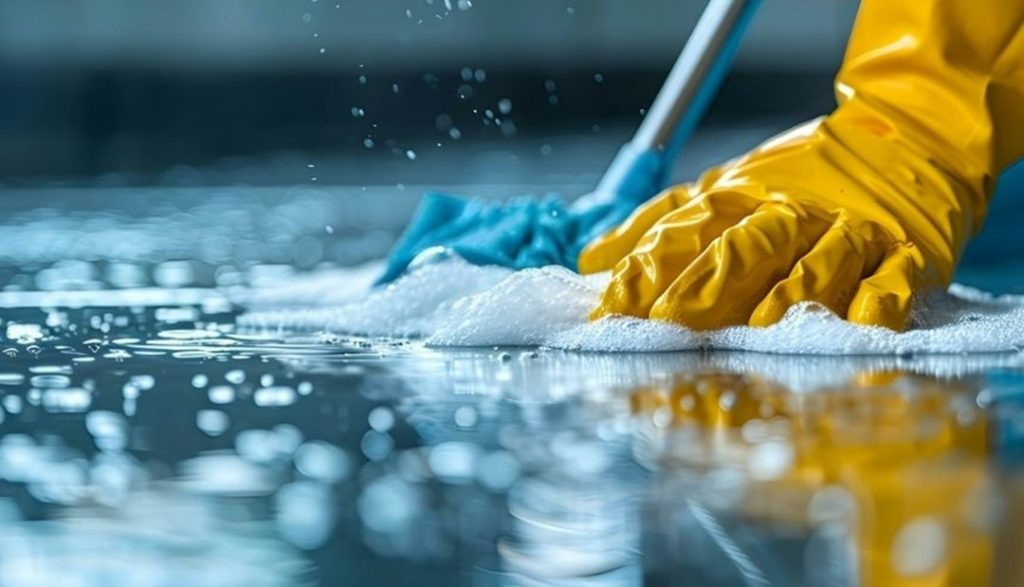
Key Feature: Double-sided cleaning pads
Heat-Up Time: Approx. 30 seconds
The Shark Steam Pocket Mop has carved out a significant niche in the home cleaning appliance market, lauded for its ability to sanitize and clean with nothing but water and steam. However, when it comes to delicate surfaces like hardwood floors, the efficacy of steam cleaning becomes a contentious issue. This review dives deep into the Shark Steam Pocket Mop, specifically scrutinizing its performance and potential risks associated with hardwood floor moisture damage, providing an evidence-based Verdict for homeowners in 2026.
Unpacking the Shark Steam Pocket Mop: What’s in the Box?
Upon unboxing the Shark Steam Pocket Mop, users typically find the main steam mop unit, a power cord, a couple of double-sided microfiber cleaning pads (designed for quick drying and effective scrubbing), and a filling cup. Some bundles might include additional accessories like a breeze nozzle or a scrubbing brush, but the core components remain consistent. The build quality is generally robust, featuring a lightweight design with a long handle and a swiveling mop head for maneuverability. The water tank is integrated, and the heating element is designed for rapid heat-up, a key convenience factor.
Shark Steam Pocket Mop vs. Traditional Mopping: A Comparative Analysis
The fundamental difference between steam mopping and traditional mopping lies in the cleaning agent and method. Traditional mopping typically involves a solution of water and detergent, applied with an absorbent mop head that can leave significant moisture behind. Steam mopping, conversely, uses high-temperature steam generated from water to loosen dirt, grime, and bacteria, theoretically requiring less water and drying faster.
Cleaning Power and Effectiveness
The Shark Steam Pocket Mop excels at lifting stuck-on dirt and sanitizing surfaces. The high heat of the steam breaks down grease and grime effectively, often outperforming traditional mops, especially on tough messes. The double-sided pads allow for continuous cleaning, with one side tackling the dirt and the other ready for a quick wipe-down, reducing the need for frequent pad changes.
Ease of Use and Maneuverability
Designed for convenience, the Shark Steam Pocket Mop boasts a quick heat-up time and a lightweight construction. Its swiveling mop head allows it to navigate around furniture legs and into tight corners with relative ease. Cord length is typically generous enough for most rooms, though the need to remain tethered to a power outlet is a limitation compared to cordless models. The operation is straightforward: fill the tank, plug it in, wait for the indicator light, and start mopping.
Drying Time and Residue
One of the touted benefits of steam mops is their rapid drying time. By using steam rather than liquid water, the Shark model generally leaves floors drier than traditional wet mopping. However, this is heavily dependent on the surface type and the amount of steam being emitted. Residue is minimal, as only water is used, eliminating the sticky film often left by detergent-based cleaners. This lack of residue contributes to a cleaner feel underfoot and can reduce the attraction of dust.
Navigating Hardwood Floor Moisture Damage Risks with Steam Mops
The primary concern when using any steam mop on hardwood floors is moisture. Wood is a porous material susceptible to water damage. While steam mops use less water than traditional mops, the high temperature and direct application of steam can still pose a significant risk if not managed correctly.
Understanding Steam and Wood: The Science Behind Potential Damage
Wood expands when it absorbs moisture and contracts as it dries. Prolonged or excessive exposure to moisture can lead to irreversible damage. Steam, while technically water vapor, can condense back into liquid water upon contact with a cooler surface like a hardwood floor. This condensation can penetrate the wood’s finish and the wood itself, leading to a range of issues including warping, cupping (where the edges of the planks rise higher than the center), cracking, and damage to the adhesive used in engineered wood flooring.
Shark Steam Pocket Mop’s Moisture Control Features: A Deep Dive
The Shark Steam Pocket Mop, like many of its kind, does not typically offer granular steam control. Models often operate on a simple high/low setting, or simply a single “on” mode. The “Pocket” design refers to the double-sided pads, which are highly absorbent. While these pads can soak up some of the emitted steam, they are primarily designed to capture dirt and residual moisture, not to regulate the steam output itself. The rapid heating means steam is consistently produced, offering little leeway for intermittent application.

Real-World Hardwood Floor Scenarios: Testing Moisture Levels
In practice, using the Shark Steam Pocket Mop on hardwood requires a cautious approach. Even on a “low” setting (if available) or with quick passes, the steam can cause immediate condensation. Homeowners often report seeing a visible layer of moisture left behind that doesn’t evaporate instantly. The effectiveness of the absorbent pad in mitigating this risk is debatable, as it can become saturated quickly, reducing its ability to absorb excess moisture from the floor surface.
Engineered Hardwood vs. Solid Hardwood: Differential Risks
Engineered hardwood floors, with their layered construction (a thin veneer of real wood atop plywood or HDF), are generally more sensitive to moisture than solid hardwood. The adhesives holding the layers together can break down, causing delamination. Solid hardwood, while more resilient to minor moisture fluctuations, is still prone to warping and cupping with prolonged or excessive wetness.
High-Moisture Areas: Kitchens and Bathrooms
These areas are inherently riskier for hardwood floors. Introducing steam, even with a steam mop, in a kitchen or bathroom environment where humidity levels can already be elevated increases the potential for moisture saturation. Water is more likely to pool around sinks or toilets, and steam can exacerbate existing moisture issues.
Long-Term Effects: Warping, Cupping, and Finish Degradation
Consistent, improper use of a steam mop on hardwood can lead to long-term, costly damage. Warping and cupping are direct results of the wood absorbing too much moisture unevenly. The finish, whether polyurethane, oil, or wax, can also be compromised. Steam can break down sealants, leading to a dull appearance, increased susceptibility to scratches, and eventual finish failure, requiring a complete refinishing of the floor.
Shark Steam Pocket Mop Deep Dive: Performance on Hardwood
When evaluating the Shark Steam Pocket Mop specifically for hardwood, its performance is a mixed bag, heavily leaning towards caution.
Initial Setup and First Impressions on Hardwood
Setting up the Shark Steam Pocket Mop is straightforward. For hardwood, the initial impression might be positive due to the quick heat-up and the satisfying visual of steam. However, a closer look at the floor immediately after a pass reveals the critical moisture factor. The floor may appear clean, but a slight dampness or sheen indicates the presence of moisture that needs to evaporate.
Cleaning Performance on Different Hardwood Finishes
The effectiveness of the Shark Steam Pocket Mop varies significantly depending on the finish of the hardwood floor.
Matte vs. Glossy Finishes
Glossy finishes, typically polyurethane-based, offer a more robust barrier against moisture. While still at risk, they may tolerate very light, quick steam passes better than matte finishes. Matte finishes, often a result of less durable sealants or oil-based treatments, can be more porous and susceptible to steam penetration and potential clouding or dulling.
Oiled vs. Polyurethane Finishes
Polyurethane finishes, especially modern water-based or oil-based polyurethanes, are designed to be relatively water-resistant. However, prolonged steam can still degrade these topcoats. Oiled finishes, on the other hand, penetrate the wood and offer a different type of protection. Steam can potentially strip away the oil or cause the wood beneath to swell and contract erratically, damaging the finish and the wood’s integrity. For oiled floors, steam mopping is almost universally advised against.
Steam Settings and Moisture Output: Finding the Right Balance
The Shark Steam Pocket Mop’s limitation is its lack of precise steam control. Most models feature basic settings, if any, that are not calibrated for the delicate balance required for hardwood. This means users have little ability to modulate the steam output to minimize moisture, often resulting in floors that are too wet for comfort or safety, especially for sensitive finishes.
Pad Technology and Absorption: The “Pocket” Difference
The double-sided “pocket” pads are a key feature. They are designed for maximum surface contact and absorption. In theory, they help wick away moisture. However, in practice, they can quickly become saturated, especially during longer cleaning sessions or on particularly dirty floors. Once saturated, their ability to absorb excess moisture diminishes, and they can actually contribute to spreading dampness rather than eliminating it.

Key Considerations for Using the Shark Steam Pocket Mop on Hardwood
If you choose to proceed with using a steam mop on your hardwood floors despite the risks, several precautions are essential.
Pre-Cleaning and Debris Removal: Essential Steps
Before any steam application, thorough dry cleaning is paramount. Vacuuming or sweeping diligently to remove all loose dirt, dust, and grit is crucial. These particles, when exposed to steam and then wiped, can act like sandpaper, scratching the finish and embedding into the wood. Ensuring the floor is free of debris minimizes the risk of abrasive damage.
Post-Mopping Procedures: Ensuring Proper Drying
This is arguably the most critical step. Immediately after steam mopping, the floor must be dried completely. Use clean, dry microfiber cloths or towels to wipe down the entire surface. Do not allow any standing water or noticeable dampness to remain. Ensure good air circulation through open windows or fans to speed up evaporation. This step significantly mitigates the risk of moisture absorption.
Maintenance and Longevity of Your Hardwood Floors
Regular maintenance of hardwood floors involves appropriate cleaning methods and prompt attention to spills. If steam cleaning is part of the routine, it must be infrequent and performed with extreme care, followed by meticulous drying. Over time, even careful steam use can contribute to finish wear. For longevity, periodic refinishing or re-oiling (depending on the finish type) is necessary. However, severe moisture damage caused by improper cleaning can render refinishing ineffective, necessitating costly board replacement.
👍 Pros
- Effective sanitization using only water.
- Quick heat-up time for convenience.
- Lightweight and maneuverable design.
- Double-sided pads offer extended cleaning time per pad.
- Minimal residue left behind compared to detergent cleaners.
👎 Cons
- Significant risk of moisture damage to hardwood floors.
- Limited or no adjustable steam control on most models.
- Potential for warping, cupping, and finish degradation.
- Requires meticulous post-mopping drying procedures.
- Not suitable for oiled or unsealed hardwood finishes.
- Risk of scratching if floor is not meticulously pre-cleaned.
Shark Steam Pocket Mop Alternatives for Hardwood Floor Owners
Given the inherent risks, alternative cleaning methods are often recommended for hardwood floors.
Cordless Steam Mops: Convenience vs. Power
While cordless models offer greater convenience by eliminating the power cord, they generally do not offer superior moisture control for hardwood. The core issue of steam application remains the same. Some high-end cordless models might offer more refined settings, but the fundamental risk is still present.

Steam Mops with Adjustable Steam Control
Models that provide precise, adjustable steam control are a better choice for homeowners concerned about moisture. These allow users to dial down the steam output to the absolute minimum required for cleaning, reducing the risk of oversaturation. However, even with adjustable settings, extreme caution and proper drying remain mandatory.
Non-Steam Cleaning Alternatives for Hardwood Floors
For most hardwood floors, especially those with sensitive finishes or in high-moisture environments, non-steam methods are the safest bet:
- Damp Mopping: Using a microfiber mop lightly dampened with water or a pH-neutral hardwood floor cleaner. The key is “damp,” not wet. Wring out the mop thoroughly so it barely leaves any moisture.
- Hardwood Floor Cleaners: Specialized spray mops or cleaning solutions designed specifically for hardwood are formulated to clean effectively without damaging the finish or the wood.
- Microfiber Mop with Cleaner Spray: A spray bottle filled with a suitable hardwood cleaner and a good quality microfiber mop provides controlled cleaning without excess moisture.

Shark Steam Pocket Mop: The Verdict for Hardwood Floors in 2026
The Shark Steam Pocket Mop is a capable cleaning appliance for many floor types, particularly sealed tile, laminate, and vinyl. However, when it comes to hardwood floors, its use comes with significant caveats. The potential for moisture damage—leading to warping, cupping, and finish degradation—is a substantial risk that cannot be overstated. While the double-sided pads offer some absorbency, they do not negate the fundamental issue of direct steam application on a moisture-sensitive material.
Consensus among flooring manufacturers and restoration experts strongly advises against regular steam mopping of hardwood floors due to the inherent risk of moisture damage. While some modern sealed hardwood finishes might tolerate infrequent, extremely light steam application followed by immediate and thorough drying, this practice deviates from standard manufacturer recommendations. Engineered hardwoods are particularly vulnerable. The Shark Steam Pocket Mop, lacking precise steam modulation, exacerbates these risks. Therefore, for most hardwood floor owners, alternative cleaning methods such as damp mopping with pH-neutral cleaners or using specialized hardwood floor spray mops are the recommended, safer choices to preserve floor integrity and longevity.
For hardwood floors, the Shark Steam Pocket Mop is best categorized as a tool to be used with extreme prejudice, if at all. If the allure of steam cleaning is paramount, investing in a model with highly adjustable steam settings and committing to an immediate, rigorous drying process is non-negotiable. However, the safest and most reliable path to maintaining the beauty and structural integrity of hardwood floors in 2026 remains with traditional damp mopping techniques and purpose-made hardwood floor cleaners.