
Brushless vs Brushed Motors: Power, Efficiency, Longevity 2026
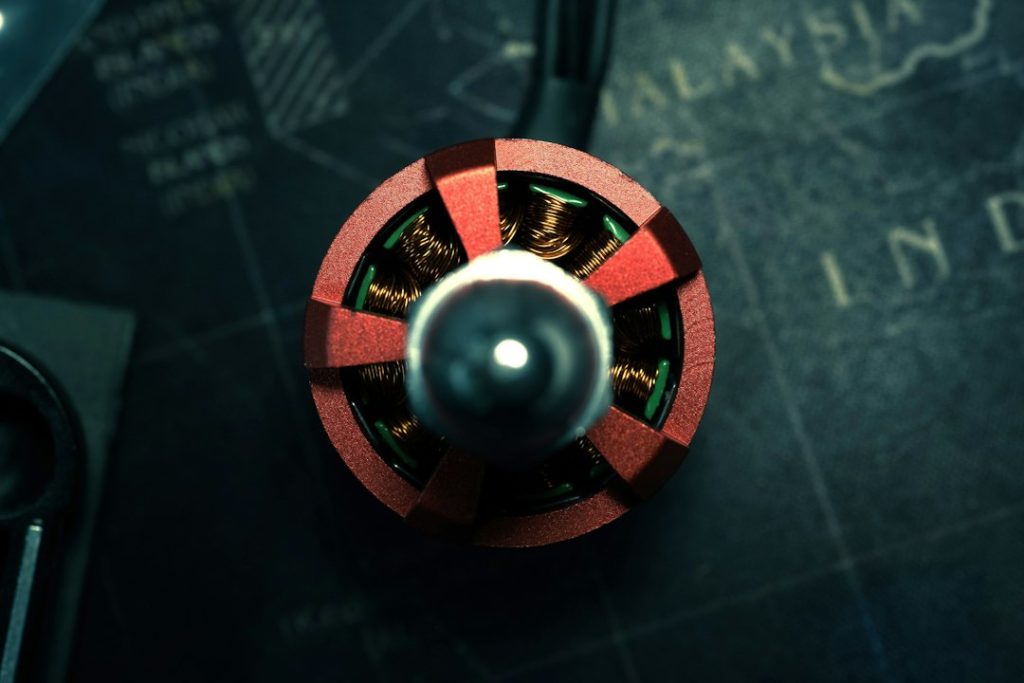
The choice between brushless and brushed motors in power tools often dictates performance, durability, and overall user experience. While brushed motors have been the long-standing workhorses, brushless technology represents a significant leap forward, offering tangible benefits that are increasingly influencing tool selection for both DIY enthusiasts and professionals. This in-depth analysis dissects the core differences, performance benchmarks, longevity, efficiency, and cost implications of these two motor types to help you make an informed decision for your next power tool purchase.
The Core Difference: Understanding Brushed vs. Brushless Motor Technology
At the heart of any power tool lies its motor, the engine that converts electrical energy into mechanical rotation. The fundamental distinction between brushed and brushless motors lies in their design and how they manage the commutation process – the switching of electrical current to electromagnets in the motor to create rotation.
How Brushed Motors Work: The Traditional Approach
Brushed motors are the older, more established technology. They utilize a system of carbon brushes that physically contact a rotating part called the commutator. As the motor spins, the brushes press against different segments of the commutator, directing current to specific electromagnetic coils. This physical contact is what creates the magnetic field to drive the rotation. However, this mechanical switching is also the source of several limitations:
- Friction and Wear: The constant physical contact between brushes and the commutator generates friction and heat, leading to wear and tear on both components.
- Efficiency Loss: The friction and the electrical resistance of the brushes result in energy loss, reducing overall efficiency.
- Maintenance: Carbon brushes are consumable parts that eventually wear out and need replacement, requiring regular maintenance.

How Brushless Motors Work: The Modern Innovation
Brushless motors eliminate the need for physical brushes. Instead, they employ electronic commutation, using sensors and a controller to precisely switch the current to the electromagnets located in the motor’s stator (the stationary part). The rotor (the rotating part) typically contains permanent magnets. This electronic control offers several advantages:
- No Physical Wear: The absence of brushes means no friction, no wear, and no need for brush replacement.
- Enhanced Efficiency: Electronic commutation is more precise and generates less wasted energy, leading to higher efficiency.
- Better Heat Dissipation: With less friction and more efficient operation, brushless motors generate less heat.
- Quieter Operation: The lack of physical contact contributes to quieter motor performance.
Performance Benchmarks: Power Output and Torque Comparison
When it comes to raw performance under demanding conditions, the differences between brushless and brushed motors become particularly evident. Power output and torque are critical metrics for tools that tackle tough jobs.
Real-World Torque: Which Motor Type Excels Under Load?
Brushless motors generally offer superior torque, especially at lower speeds or under heavy load. The electronic control allows for more precise management of power delivery, enabling the motor to sustain higher torque output without stalling. This is crucial for applications like driving long screws into hardwood or using large hole saws.
Sustained Power: How Efficiency Impacts Long-Term Performance
The higher efficiency of brushless motors translates directly into sustained power. While a brushed motor might start strong, its performance can degrade as it heats up and brushes wear. A brushless motor, however, maintains its power output more consistently throughout a task, even during prolonged use. This means less bogging down and a more predictable performance curve.
| Specification | Typical Brushed Motor | Typical Brushless Motor |
|---|---|---|
| Peak Torque | Good | Excellent |
| Sustained Torque | Fair to Good | Excellent |
| Power Efficiency | ~75-80% | ~85-90% |
| Heat Generation | High | Low to Moderate |
| Lifespan | Moderate (Brush Wear) | Very Long |
| Maintenance | Regular (Brush Replacement) | Minimal |
| Speed Control | Less Precise | Highly Precise |
| Weight | Can be heavier for equivalent power | Often lighter for equivalent power |
Longevity and Durability: Which Motor Lasts Longer?
The internal design of brushless motors inherently lends itself to greater longevity and durability compared to their brushed counterparts.
Wear and Tear: Examining Carbon Brush Lifespan
The carbon brushes in brushed motors are a critical point of failure. They are designed to wear down over time, much like a pencil lead. This wear is unavoidable due to the constant friction. Depending on the tool’s usage intensity, brushes may need replacement every few months to a couple of years, adding to maintenance costs and downtime.
Heat Management: Brushless Advantage in Reducing Overheating
Friction and inefficient energy transfer generate heat in brushed motors. Excessive heat can degrade motor components over time, shortening the tool’s lifespan. Brushless motors, operating more efficiently and without brush friction, produce significantly less heat. This superior heat management allows them to run cooler and longer, contributing to their overall durability.
Maintenance Requirements: Hassle-Free Operation
The elimination of brushes in brushless motors drastically reduces maintenance requirements. There are no parts to wear out and replace in the motor itself. This translates to a more convenient user experience, especially for professionals who rely on their tools day in and day out. A brushless tool is essentially a “set it and forget it” component in terms of motor upkeep.
Brushed Motors
Pros:
- Lower upfront cost for tools.
- Simpler, well-understood technology.
- Readily available replacement parts (brushes).
Cons:
- Shorter lifespan due to brush wear.
- Lower efficiency, leading to more heat.
- Requires periodic brush replacement.
- Can experience power fade under load.
Brushless Motors
Pros:
- Significantly longer lifespan.
- Higher power output and torque.
- Superior efficiency and reduced heat.
- Minimal maintenance required.
- Quieter operation.
- Better battery runtime.
Cons:
- Higher initial purchase price.
- More complex electronic control systems.
Efficiency Metrics: Power Consumption and Battery Life
In an era where battery life is paramount, especially for cordless tools, the efficiency of the motor plays a critical role.
Energy Savings: The Electrical Efficiency Gap
Brushless motors boast higher electrical efficiency, typically converting 85-90% of electrical energy into mechanical work, compared to 75-80% for brushed motors. This difference might seem small, but it translates into less wasted energy, reduced heat, and ultimately, longer runtimes on a single battery charge.
Extended Runtime: Maximizing Battery Performance with Brushless
The combined benefits of higher efficiency and better power management mean that tools equipped with brushless motors can operate for longer periods before needing a battery recharge. This is particularly valuable for tasks that require continuous operation, allowing users to complete more work between charges.
Cost Analysis: Initial Investment vs. Long-Term Value
The price tag is often a significant factor, but it’s essential to consider the total cost of ownership.
Purchase Price: The Upfront Cost of Brushless Tools
Historically, tools with brushless motors have come with a higher initial purchase price. This is due to the more complex electronic control systems and, in some cases, the advanced manufacturing processes required. Brushed motor tools, being based on simpler, older technology, are generally more affordable upfront.
Total Cost of Ownership: Considering Durability and Maintenance
While brushless tools may cost more initially, their superior durability, longer lifespan, and minimal maintenance needs can lead to a lower total cost of ownership over time. The cost of replacement brushes for brushed tools, combined with potential downtime, can offset the initial savings. For frequent or heavy users, the long-term value proposition of brushless often outweighs the higher upfront investment.
Key Use Cases: When Each Motor Type Shines
The “better” motor type often depends on the specific application and the user’s needs.
Demanding DIY Projects: High-Torque, Extended Use Scenarios
For serious DIYers undertaking significant projects that require sustained power, high torque, and long working sessions (e.g., extensive framing, deck building, working with dense materials), brushless tools offer a clear advantage in performance and endurance.
Occasional Use and Light Tasks: When Brushed Suffices
If you only use power tools occasionally for light tasks around the house (e.g., assembling flat-pack furniture, hanging pictures, minor repairs), a brushed motor tool might be perfectly adequate and a more budget-friendly option. The demands on the motor are less severe, making the longevity and efficiency benefits of brushless less critical.
Professional Trades: Demands for Reliability and Power
For professionals in trades like carpentry, construction, and electrical work, where tools are used daily for extended periods, reliability, power, and efficiency are non-negotiable. The durability and consistent performance of brushless tools make them the preferred choice for demanding professional environments.
Top Performing Brushless and Brushed Tools on the Market (2026)
While motor type is crucial, the overall quality, features, and ecosystem of a tool brand also matter. Here are some top-tier examples:
Leading Brushless Models for Ultimate Performance
- DeWalt 20V MAX XR Brushless Impact Driver (e.g., DCF887): Renowned for its power, compact design, and excellent battery life, making it a favorite for automotive and construction tasks.
- Makita XPT Brushless Reciprocating Saw (e.g., XRJ06): Offers impressive cutting speed, variable speed control, and dust/water resistant construction for challenging job sites.
- Milwaukee M18 FUEL Brushless Circular Saw (e.g., 2732-20): Delivers corded power in a cordless package, featuring excellent cut capacity and integrated LED lighting.
Reliable Brushed Motor Options for Value Seekers
- Ryobi ONE+ 18V Cordless Drill (e.g., P208): A popular choice for DIYers, offering good value and a vast battery platform with a wide range of tools.
- Bosch 18V Compact Drill/Driver (e.g., GSB18V-755CBN): Though Bosch also excels in brushless, some of their reliable brushed models still offer solid performance for general tasks at a competitive price.
- Porter-Cable 20V MAX Cordless Drill (e.g., PCC601): Known for offering good performance for the price, making it an accessible option for homeowners with lighter needs.
Expert Insights: Future Trends in Power Tool Motor Technology
The industry trend is undeniably shifting towards brushless technology. As manufacturing costs decrease and battery technology continues to advance, brushless motors are becoming the standard, even in lower-cost tool lines. We can expect even greater integration of smart electronics, variable speed control, and power optimization in future brushless offerings.
Making the Right Choice: Factors Beyond Motor Type
While the motor is a critical component, other factors should influence your decision:
Battery Platform Compatibility
If you already own tools from a particular brand, sticking with that brand’s battery platform can save you money and hassle. Ensure the tool you’re considering uses batteries you already have or are willing to invest in.
Ergonomics and Tool Weight
A tool that feels good in your hand and is balanced appropriately for its task can significantly reduce fatigue during extended use. Try to handle tools before buying if possible.
Specific Tool Needs for Your Projects
Consider the specific demands of the tasks you’ll be performing. Do you need extreme torque? Precise speed control? A compact form factor? High-frequency operation? Match the tool’s capabilities, including its motor type, to your project requirements.
👑 Ultimate Winner: Brushless Motors
For the vast majority of users, especially those looking for long-term value, superior performance, and reduced maintenance, brushless motors are the clear winner. While brushed motors remain a viable and budget-friendly option for occasional, light-duty tasks, the tangible benefits of brushless technology – increased efficiency, enhanced durability, higher power, and longer battery life – make them the superior choice for modern power tool users. The higher initial cost is a worthwhile investment for the extended lifespan and improved user experience.