
Bleach vs Hydrogen Peroxide for Mold Removal: Best 2026 Guide
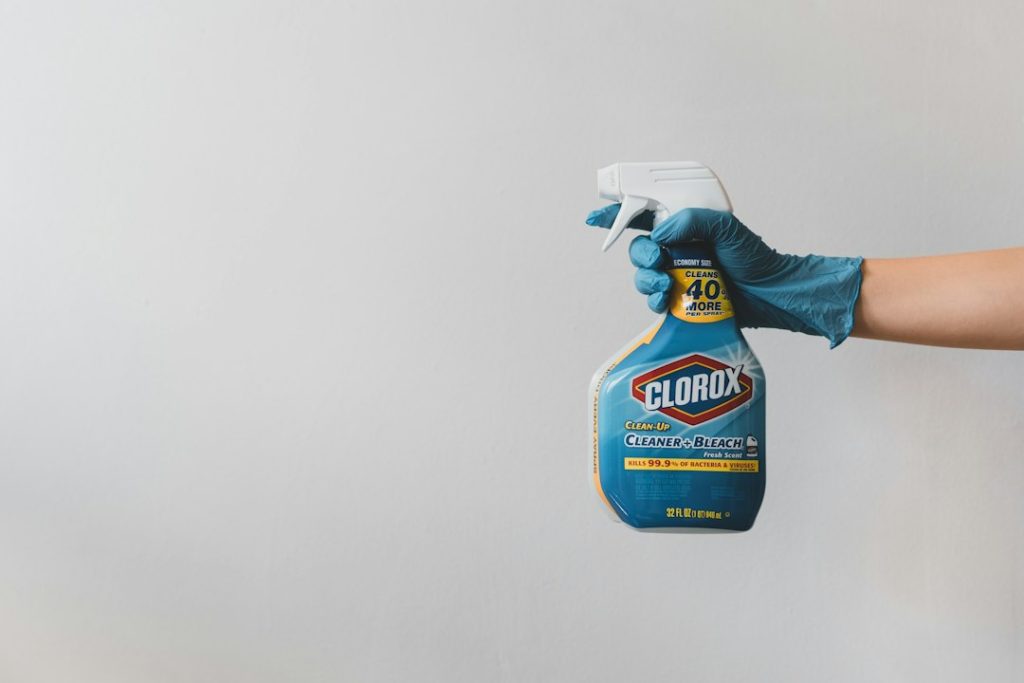
Battling mold on bathroom tiles is a common, often frustrating, homeowner chore. Two of the most frequently recommended DIY solutions are chlorine bleach and hydrogen peroxide. While both are powerful cleaning agents, their effectiveness against mold and, crucially, their safety profiles differ significantly. This article provides a rigorous, data-driven comparison to help you choose the right tool for a clean and safe bathroom.
Understanding the Enemy: What is Bathroom Mold?
Mold is a type of fungus that thrives in damp, humid environments, making bathrooms a prime breeding ground. It reproduces by releasing spores, which travel through the air and can land on surfaces, growing into new colonies when moisture and nutrients are present. Beyond its unsightly appearance, mold can trigger allergic reactions, asthma symptoms, and other respiratory issues for sensitive individuals. Common culprits for mold growth in bathrooms include poor ventilation, leaky pipes, and condensation on tiles and grout.
The Contenders: Bleach and Hydrogen Peroxide
Both bleach and hydrogen peroxide are oxidizing agents, meaning they break down organic compounds. This oxidizing power is what makes them effective at killing mold and removing stains. However, their chemical compositions lead to distinct properties and applications.
Bleach: The Powerful Oxidizer
Chlorine bleach, typically a solution of sodium hypochlorite (NaClO), is a potent disinfectant and cleaning agent. Its strong oxidizing capability allows it to break down the cellular structure of mold and effectively lighten or remove stains. It’s widely available, inexpensive, and known for its rapid action on visible mold growth.
Bleach: Pros & Cons
Pros:
- Highly effective at killing surface mold and removing stubborn stains.
- Fast-acting on visible mold growth.
- Inexpensive and widely available.
- Strong disinfectant properties.
Cons:
- Harsh fumes can irritate respiratory systems.
- Can damage certain materials (fabrics, colored grout, some metals).
- Ineffective on porous surfaces where mold grows deep within.
- Dangerous if mixed with other cleaners (especially ammonia).
- Can cause discoloration.
Hydrogen Peroxide: The Gentler Alternative
Hydrogen peroxide (H₂O₂) is a chemical compound similar to water but with an extra oxygen atom. This extra oxygen atom makes it an unstable molecule that readily releases oxygen, enabling it to act as a disinfectant and bleaching agent. It’s often considered a more environmentally friendly and less harsh alternative to chlorine bleach, producing water and oxygen as byproducts.
Hydrogen Peroxide: Pros & Cons
Pros:
- Less toxic fumes compared to bleach.
- Environmentally friendlier byproducts (water and oxygen).
- Effective at killing mold spores and some surface mold.
- Can be used on a wider range of surfaces without severe damage.
- Generally safer to handle than chlorine bleach.
Cons:
- May be slower acting than bleach.
- Can cause slight fading or bleaching on colored surfaces over time.
- Less effective on deep-set mold stains compared to bleach.
- Requires higher concentrations (e.g., 3%) for effective mold killing.
- Less stable; can degrade if not stored properly.
Head-to-Head: Mold Removal Effectiveness
When it comes to tackling bathroom mold, both substances have their strengths and weaknesses. Understanding these differences is key to an effective and safe cleaning strategy.

Bleach’s Battle Against Mold Stains and Growth
Bleach excels at visibly removing mold and the stains it leaves behind, particularly on non-porous surfaces like ceramic tiles and porcelain. Its strong oxidizing power breaks down the surface mold colonies and lifts the discoloration. For areas with significant staining, bleach is often the go-to for immediate visual improvement. However, it’s crucial to note that bleach primarily works on the surface. It doesn’t penetrate porous materials like grout as deeply as some other cleaners, meaning mold roots might survive, leading to regrowth.
Hydrogen Peroxide’s Approach to Killing Mold Spores
Hydrogen peroxide, especially when used in a 3% solution, is effective at killing mold spores and can tackle surface mold. Its action is more about disinfection and breaking down the mold’s cellular structure. While it can lighten stains, it might not be as potent as bleach for deeply set discoloration. Its advantage lies in its ability to penetrate slightly better than bleach into porous surfaces and its gentler action that is less likely to damage surrounding materials or cause severe respiratory irritation.
Which Works Faster on Bathroom Tiles?
For immediate, visible results on surface mold and stains on hard, non-porous tiles, chlorine bleach typically works faster. You’ll often see stains lighten within minutes of application. Hydrogen peroxide may require a longer contact time or a second application to achieve comparable stain removal results, though it effectively kills mold spores upon contact. In terms of killing the mold itself, both are effective, but bleach offers a quicker visual resolution of the problem.
| Feature | Chlorine Bleach (Typical 5.25% solution) | Hydrogen Peroxide (3% solution) |
|---|---|---|
| Surface Mold Removal | Excellent (fast stain lifting) | Good (may require more contact time) |
| Deep Mold Penetration | Poor (primarily surface action) | Fair (slightly better than bleach) |
| Killing Mold Spores | Excellent | Excellent |
| Stain Lightening | Excellent | Good to Fair |
| Speed of Action | Fast | Moderate |
| Material Compatibility | Best on non-porous; risk of damage to porous, colored, or metal surfaces. | Good on most surfaces; potential for slight fading on colored materials over time. |
Safety First: Comparing Hazards and Precautions

Safety is paramount when dealing with cleaning chemicals. Both bleach and hydrogen peroxide have distinct safety concerns that homeowners must address.
Bleach Dangers: Respiratory Risks, Material Damage, and Mixing Hazards
The most significant hazard associated with chlorine bleach is its fumes. Inhaling these fumes can cause immediate irritation to the eyes, nose, throat, and lungs, potentially leading to coughing, shortness of breath, and exacerbating conditions like asthma. In poorly ventilated areas, this can be dangerous. Bleach can also corrode metals and damage fabrics, causing permanent discoloration or weakening of fibers. Perhaps the most critical danger is mixing bleach with other cleaning products, especially ammonia or acids. This can create toxic gases, such as chloramine or chlorine gas, which are extremely hazardous and potentially lethal.
Hydrogen Peroxide Risks: Skin Irritation, Fading, and Stability
While generally safer than bleach, hydrogen peroxide is not without risks. Undiluted 3% hydrogen peroxide can cause mild skin irritation, redness, or temporary whitening upon prolonged contact. It can also cause slight bleaching or fading of colored grout or tile over extended exposure, although this is less severe than bleach’s effects. Hydrogen peroxide is also light-sensitive and can degrade over time, reducing its effectiveness. It should be stored in its original dark container in a cool, dark place.
Ventilation and PPE: Essential Safety Measures for Both
Regardless of the cleaner chosen, proper safety precautions are non-negotiable. Always ensure adequate ventilation by opening windows and doors or using an exhaust fan. Personal Protective Equipment (PPE) is crucial: wear chemical-resistant gloves to protect your skin and safety glasses or goggles to shield your eyes. A mask, particularly an N95 respirator, is highly recommended when using bleach to prevent inhalation of fumes. Always read and follow the manufacturer’s instructions on the product label.
| Safety Aspect | Chlorine Bleach | Hydrogen Peroxide (3% Solution) |
|---|---|---|
| Fume Inhalation Risk | High (irritating, potentially toxic) | Low (mild irritant at worst) |
| Skin Contact Risk | Moderate (can cause irritation, burns with prolonged contact) | Low to Moderate (mild irritation, temporary whitening) |
| Eye Contact Risk | High (severe irritation, potential damage) | Moderate (irritation) |
| Material Damage Potential | High (corrosive to metals, bleaching/damaging to fabrics and colored surfaces) | Low (slight fading on colored surfaces possible over time) |
| Mixing Hazards | Extremely High (toxic gas generation with ammonia/acids) | Low (generally stable, but avoid mixing with reducing agents) |
| Environmental Impact | Moderate (can be harmful to aquatic life) | Low (breaks down into water and oxygen) |
| Required PPE | Gloves, eye protection, mask/respirator, ventilation | Gloves, eye protection, good ventilation |
Beyond the Basics: Application Techniques for Maximum Impact

Proper application is as important as the choice of cleaner. Using the right techniques ensures effectiveness while minimizing risks.
Optimizing Bleach Application on Tile and Grout
For bleach, a common dilution is 1 part bleach to 10 parts water. Apply the solution to the moldy areas using a spray bottle or a sponge, ensuring good contact. For grout lines, a stiff brush can help work the solution into the pores. Allow it to sit for 10-15 minutes (but do not let it dry) before rinsing thoroughly with clean water. Never reapply bleach directly after another cleaner without rinsing first, and absolutely do not mix it with anything other than water. Ensure extreme ventilation during and after use.
Getting the Best Results with Hydrogen Peroxide
Use a 3% hydrogen peroxide solution directly from the bottle. Pour it into a spray bottle and apply generously to the affected areas. For tougher spots or grout, you can use a brush. Let it sit for at least 10-15 minutes, or even up to an hour for stubborn mold. You may see some foaming, which indicates it’s working. Scrub lightly if needed and then rinse thoroughly with water. Hydrogen peroxide can also be left on certain surfaces overnight in some applications, but for bathroom tiles, rinsing is recommended.
When to Choose Which: Making the Right Decision for Your Bathroom

The best choice between bleach and hydrogen peroxide depends on the specific situation, the type of mold, the surface material, and your personal safety comfort level.
Scenarios Favoring Bleach
- Heavy Staining: When mold has caused significant, dark stains on non-porous tiles.
- Non-Porous Surfaces: For cleaning large, smooth tile surfaces like porcelain or ceramic where mold is superficial.
- Immediate Visual Results: When a quick, visible improvement is desired for aesthetic reasons.
- Disinfection Needs: For situations requiring a powerful broad-spectrum disinfectant.
Scenarios Favoring Hydrogen Peroxide
- Sensitive Individuals: For people with respiratory issues, allergies, or chemical sensitivities.
- Colored Grout or Tiles: When you want to minimize the risk of discoloration.
- Environmental Concerns: For those preferring a more eco-friendly cleaning option.
- Mild to Moderate Mold: For general mold prevention and tackling surface mold without severe staining.
- Porous Surfaces (with caution): While not a deep penetrator, it’s less damaging than bleach on grout compared to bleach.
When Neither is Enough: Escalating Your Mold Removal Strategy
If mold persists despite using either bleach or hydrogen peroxide, it might be growing deep within porous materials like drywall or extensively within grout. In such cases, consider:
- Specialized Mold Removers: Products specifically formulated for deep mold penetration.
- Vinegar: Another option, particularly effective against mold roots in porous materials, but should NOT be mixed with bleach.
- Professional Remediation: For large infestations or recurring mold problems, consulting a professional mold remediation service is the safest and most effective solution. They have the tools and expertise to identify the source of moisture and eliminate mold completely.
FAQ: Your Burning Questions on Bleach, Peroxide, and Mold Answered (2026)
- Can I mix bleach and hydrogen peroxide?
- Absolutely not. Mixing bleach and hydrogen peroxide creates toxic peracetic acid and other hazardous byproducts that can cause severe respiratory damage and irritation.
- How often should I clean my bathroom tiles for mold?
- Regular cleaning (weekly) with a bathroom cleaner and ensuring good ventilation can prevent mold growth. Deep cleaning with a mold remover might be needed monthly or quarterly, depending on humidity levels and usage.
- Does hydrogen peroxide really kill mold?
- Yes, a 3% solution of hydrogen peroxide is effective at killing mold spores and superficial mold colonies by disrupting their cell membranes.
- Is bleach safe for all tile types?
- No. While effective on ceramic and porcelain, bleach can damage natural stone tiles (like marble or granite) and colored grout. Always test in an inconspicuous area first.
- What’s the best way to prevent mold on bathroom tiles?
- The key is controlling moisture: ensure good ventilation (use exhaust fans), wipe down wet surfaces after showering, fix any leaks promptly, and clean regularly.
👑 Ultimate Winner: Hydrogen Peroxide for General Use, Bleach for Severe Stains
For the average homeowner dealing with typical bathroom mold, hydrogen peroxide (3% solution) emerges as the more balanced choice. Its significantly lower toxicity, milder fumes, and better environmental profile make it safer for regular use, especially in homes with children, pets, or individuals with respiratory sensitivities. It effectively kills mold spores and offers moderate stain-lifting capabilities with less risk of damaging surfaces or causing discoloration. It is the responsible, go-to option for maintenance and prevention. However, when faced with stubborn, deeply set mold stains on non-porous surfaces, chlorine bleach remains the more potent, albeit hazardous, tool for rapid visual remediation. Its aggressive oxidizing power can tackle stains that peroxide cannot. Crucially, when using bleach, strict adherence to safety protocols—including superior ventilation and appropriate PPE—is non-negotiable due to its severe health risks and potential for dangerous chemical reactions if misused.