
Copper Pipes vs PEX Tubing: Best 2026 Plumbing Repair & Replacement Guide
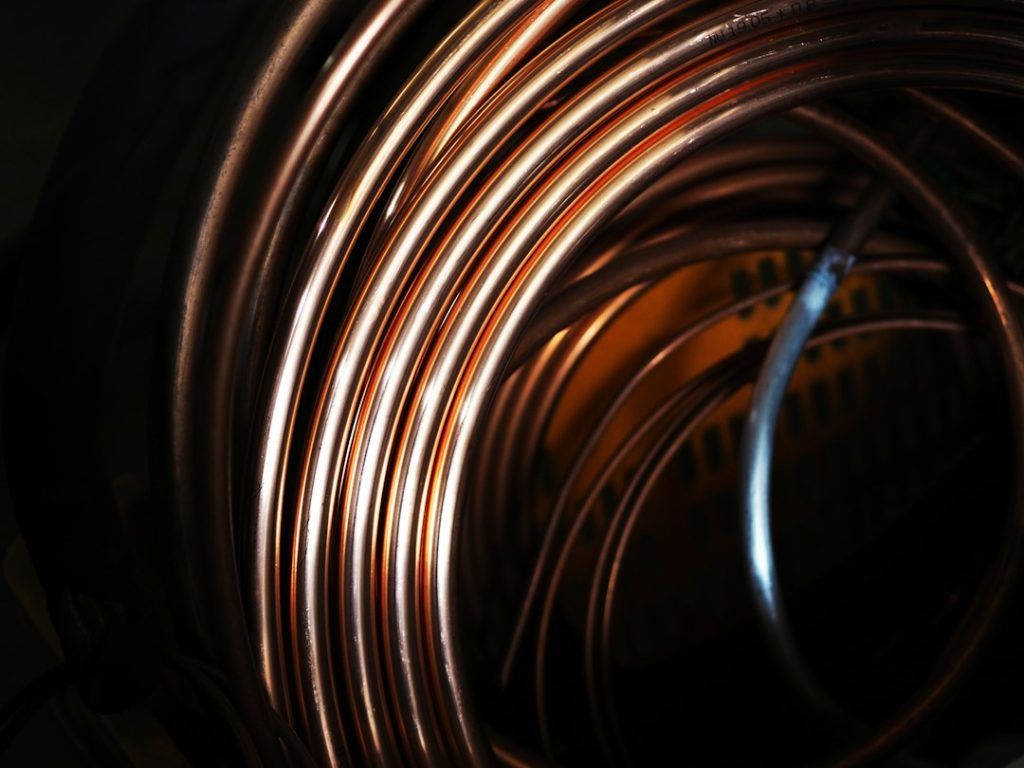
Choosing the right material for residential plumbing repair and replacement is a decision that impacts your home’s safety, efficiency, and your wallet for years to come. In 2026, the two dominant contenders are traditional copper pipes and modern PEX (cross-linked polyethylene) tubing. While copper has been the go-to for decades, PEX has surged in popularity due to its perceived advantages. This in-depth comparison will dissect both materials, analyze their performance across key factors, and help you make an informed choice for your next plumbing project.
The Contenders: A Deep Dive into Copper and PEX
Copper Pipes: The Traditional Workhorse
Material Properties and History
Copper plumbing has been the standard in residential construction for over half a century. Its enduring popularity stems from its inherent material properties: excellent corrosion resistance (though not immune), a high melting point, and a proven track record. Copper is a naturally occurring element, valued for its malleability, which allows it to be bent and shaped, and its strength. The material’s history in plumbing is extensive, with early forms dating back to ancient civilizations. In modern residential plumbing, copper is typically used in rigid, seamless tubes, joined by soldering or compression fittings.
Common Applications in Residential Plumbing
Copper is a versatile material found in virtually every part of a home’s plumbing system. It’s commonly used for hot and cold water supply lines, including those that run from the main water meter to fixtures, and also for gas lines. Its ability to withstand high temperatures makes it ideal for hot water distribution. While its rigidity can be a disadvantage in tight spaces, its durability and reliability have made it a trusted choice for main water lines and in applications where long-term performance is paramount.
PEX Tubing: The Modern Challenger
Material Properties and Types (PEX-A, PEX-B, PEX-C)
PEX is a flexible plastic tubing made from cross-linked polyethylene. This cross-linking process enhances its durability, strength, and resistance to temperature and pressure. There are three primary types of PEX tubing, distinguished by their manufacturing process: PEX-A, PEX-B, and PEX-C. PEX-A uses a chemical or blowing agent method and is known for its superior flexibility and resistance to freeze damage, as it can expand significantly. PEX-B, the most common and cost-effective type, uses a chemical method and offers good flexibility and durability. PEX-C is produced using electron beam irradiation, offering good quality but is less common than A or B. PEX is generally resistant to corrosion and scaling, common issues with copper in certain water conditions.
Advantages and Disadvantages for Homeowners
PEX tubing offers several advantages for homeowners and DIY enthusiasts. Its flexibility allows for easier installation, especially in retrofits or tight crawl spaces, often requiring fewer fittings and joints, which are potential leak points. It’s also typically less expensive than copper per linear foot. However, PEX has notable disadvantages. It is not UV resistant, meaning it cannot be exposed to direct sunlight for extended periods. While it can expand to prevent bursting from freezing, repeated freezing and thawing can degrade the material over time. Furthermore, concerns exist regarding potential chemical leaching into drinking water, although regulatory bodies generally deem it safe when installed correctly and using certified products.
Head-to-Head Comparison: Key Factors for Homeowners in 2026
Installation Complexity and DIY Friendliness
Tools and Techniques for Copper
Installing copper pipes is a skill that requires precision and specific tools. Traditional methods involve cutting pipes to length, deburring edges, applying flux, and then soldering the joints using a torch. This process demands a steady hand and practice to achieve leak-free connections. Compression fittings offer a simpler, solder-free alternative, but they are bulkier and can be more expensive. Bending copper requires specialized tools like pipe benders to avoid kinking, especially for larger diameters. The rigidity of copper means that precise measurements and cuts are essential, with little room for error.
Tools and Techniques for PEX
PEX installation is widely considered more DIY-friendly. The flexibility of PEX tubing means that fewer fittings are needed, and it can often be routed around obstacles without complex cuts or bends. The primary connection methods include crimping, clamping, or expansion fittings, all of which typically require specialized PEX tools but are generally less technically demanding than soldering. Expansion fittings, used with PEX-A, are particularly robust. While it requires specific tools, the learning curve for PEX installation is significantly lower than for copper, making it an attractive option for homeowners tackling their own plumbing projects.

Durability, Longevity, and Failure Rates
Susceptibility to Corrosion and Freezing
Copper’s longevity is well-established, but it is susceptible to corrosion, particularly in areas with aggressive water chemistry (e.g., acidic water). This corrosion can lead to pinhole leaks over time. However, copper is inherently resistant to freezing, as it is rigid and will crack or burst if water within it freezes and expands. PEX, on the other hand, is resistant to most forms of corrosion and scaling that plague copper. Its flexibility allows it to expand significantly when water freezes within it, greatly reducing the risk of bursting. However, repeated freeze-thaw cycles can still degrade PEX over the long term, and it is susceptible to damage from sharp objects or rodents.
Long-Term Performance Data and Real-World Failures
Copper plumbing systems, when properly installed and maintained, can last for 50 years or more. Failures are often related to corrosion, seismic activity, or improper installation (e.g., poor soldering). PEX is a newer material, with long-term data still accumulating. Manufacturers typically offer 25-50 year warranties on PEX tubing. Real-world failures in PEX have been linked to improper installation (e.g., over-crimping, incorrect fitting types), exposure to UV light, and damage from chemicals or pests. While catastrophic failures like bursting from freezing are less common with PEX than rigid plastics, degradation over decades remains a point of consideration for homeowners.
Cost Analysis: Material and Labor Expenses
Initial Material Costs (per linear foot)
In 2026, PEX tubing generally offers a lower initial material cost per linear foot compared to copper. For 1/2-inch diameter pipe, PEX typically ranges from $0.50 to $1.50 per foot, depending on the type (A, B, C) and brand. Copper pipe of the same size usually costs between $2.00 and $4.00 per linear foot. This significant price difference becomes even more pronounced for larger projects, making PEX an economically attractive option for budget-conscious homeowners or those undertaking extensive renovations.
Estimated Labor and Tooling Costs
Labor costs can also favor PEX, particularly for DIY installations. The ease and speed of PEX installation often translate to lower labor bills when hiring a professional. While copper installation might take longer due to the need for precise cuts, soldering, and bending, PEX can be installed much faster. The initial investment in specialized tools for copper (torch, solder, flux, pipe benders, cutters) can be substantial. PEX tools (crimpers, clamps, expansion tools) also represent an upfront cost, but their ease of use often offsets this for DIYers, and professional plumbers often have these tools already.
| Feature | Copper Pipes | PEX Tubing |
|---|---|---|
| Material Cost (1/2″ per foot) | $2.00 – $4.00 | $0.50 – $1.50 |
| Flexibility | Rigid, requires bending tools | Highly flexible, fewer fittings needed |
| Installation Speed | Slower, requires soldering/specific fittings | Faster, simpler connection methods |
| Corrosion Resistance | Good, but susceptible to aggressive water | Excellent, resistant to most corrosion |
| Freeze Burst Resistance | Low, prone to cracking | High, expands significantly |
| UV Resistance | Excellent | Poor, must be protected from sunlight |
| Lifespan | 50+ years (with proper installation) | 25-50 years (warranty dependent) |
| DIY Friendliness | Moderate to Difficult | Easy to Moderate |
Water Quality and Health Concerns
Lead Leaching and Other Contaminants in Copper
Historically, copper plumbing systems posed a risk of lead leaching, primarily from lead-based solder used to join pipes. Modern plumbing codes in many regions mandate lead-free solder (containing less than 0.2% lead), significantly mitigating this risk. However, older homes may still have lead solder, and improper installation of new copper can sometimes lead to minor copper leaching into the water, especially if the water is acidic. While copper itself is an essential trace element, excessive amounts can be harmful.
Potential Chemical Leaching from PEX
Concerns regarding PEX revolve around the potential for chemicals, such as plasticizers or antioxidants, to leach from the tubing into the drinking water. Various studies have detected trace amounts of these compounds, particularly in new installations or when exposed to hot water. Regulatory bodies like the EPA and NSF International have established standards (e.g., NSF/ANSI 61) to ensure that PEX products are safe for contact with drinking water. Choosing PEX products certified to these standards is crucial for minimizing health risks.

Flexibility and Design Freedom
Bending Radius and Layout Limitations
Copper’s rigidity dictates its installation path. It requires precise measurements and often necessitates numerous fittings (elbows, couplings) to navigate corners or changes in direction. This can increase the number of potential leak points and add to the overall cost and complexity of the installation. The minimum bending radius for copper is significant, limiting its use in very tight or complex layouts without multiple joints.
Ease of Routing in Tight Spaces
PEX tubing excels in its ability to be routed through existing walls, floors, and ceilings with relative ease. Its flexibility allows it to bend around obstacles, navigate tight corners, and run in continuous lengths, often reducing the need for joints and fittings. This is a significant advantage in older homes undergoing renovations or in new construction where complex framing might otherwise require extensive cutting and fitting.
Repair and Replacement Scenarios
Patching and Joining Copper Systems
Repairing copper systems typically involves cutting out the damaged section and soldering in a new piece. This requires draining the line, ensuring the pipe is dry, and carefully soldering the new section in place. For DIYers, this can be a challenging task. Compression fittings can be used for repairs, offering a simpler alternative to soldering, but they add bulk and cost.
Replacing Sections with PEX
When replacing a damaged section of a copper system with PEX (a common practice known as transition plumbing), adapters are used to connect the two materials. This can simplify the repair process significantly, especially for homeowners. The flexibility of PEX allows for easier routing of the new section, and the connection methods are generally more forgiving than soldering copper. This hybrid approach often combines the benefits of both materials.
Expert Insights: Why Plumbers Prefer One Over the Other (or Both)
The Professional’s Perspective on Reliability
Many professional plumbers appreciate copper for its long-standing reputation and predictability. They are highly skilled in its installation and repair. However, the industry is rapidly shifting. The speed, cost-effectiveness, and reduced callbacks (fewer leaks due to fewer joints) associated with PEX have made it a preferred choice for new installations and many renovation projects. Plumbers often cite PEX’s freeze resistance as a major benefit, especially in colder climates.
When Copper Still Reigns Supreme
Despite PEX’s rise, copper remains the material of choice in specific applications. For main water lines entering a property, particularly in areas with strict codes or where extreme longevity is desired, copper is often still specified. It is also preferred for gas lines due to its inherent fire resistance and compatibility. In high-end custom builds or historical renovations where maintaining a certain aesthetic or adhering to traditional methods is critical, copper may also be selected.
The Growing Dominance of PEX in New Construction and Renovations
The vast majority of new residential construction now utilizes PEX for water supply lines. Its installation efficiency directly impacts project timelines and costs. For plumbers performing renovations, PEX offers a solution that is often easier and faster to run through existing structures compared to rigid copper. The reduced number of fittings also translates to fewer potential failure points down the line, which can improve customer satisfaction and reduce warranty claims.

Making the Right Choice for Your 2026 Plumbing Project
Identifying Your Specific Repair or Replacement Needs
The most critical factor is understanding the scope of your project. Are you replacing a single leaky faucet supply line, a whole section of pipe, or the entire plumbing system? For minor repairs, the existing material and ease of access might dictate the choice. For full replacements, PEX often presents a compelling case for cost and ease of installation. Consider the age of your home’s plumbing and the water quality in your area.
Budget Considerations and Long-Term Value
While PEX has a lower upfront cost, the long-term value proposition of both materials is important. Copper, with its proven longevity and resistance to UV and potential future material degradation concerns, offers a different kind of long-term value. PEX’s value lies in its ease of installation, reduced risk of freeze bursts, and generally lower material cost. Evaluate the total cost of ownership, including potential repair costs over the system’s lifespan.
Environmental Impact and Sustainability Factors
Copper is a recyclable material, and its production has a significant environmental footprint. PEX is a petroleum-based product, but its production processes are becoming more efficient. The reduced number of fittings and potential for fewer leaks with PEX can contribute to water conservation. The longevity of both materials means they are generally sustainable choices, but the recyclability of copper offers a distinct advantage in end-of-life scenarios.
Common Pitfalls to Avoid When Choosing Between Copper and PEX
Over-reliance on DIY Guides for Complex Repairs
While PEX is DIY-friendly, complex plumbing repairs, especially involving main lines or critical systems, should ideally be handled by or at least consulted with a licensed professional. Misinterpreting instructions or using incorrect techniques can lead to costly leaks and water damage.
Ignoring Local Plumbing Codes and Permitting Requirements
Both copper and PEX installations are subject to local building codes, which can vary significantly. Some areas may have specific requirements regarding the type of PEX allowed, installation methods, or the need for permits and inspections. Always verify local regulations before starting any plumbing work.

Misunderstanding Material Lifespans and Performance Limits
Homeowners must understand that neither material is indestructible. Copper can corrode, and PEX can degrade from UV exposure or chemical contact. Expecting a PEX system to last indefinitely without any consideration for its limitations (like UV exposure) or assuming copper is immune to all forms of failure can lead to disappointment and unexpected repairs.
👑 Ultimate Winner: PEX Tubing (for most residential applications in 2026)
For the majority of residential plumbing repair and replacement projects in 2026, PEX tubing emerges as the superior choice due to its significantly lower material cost, ease of installation, flexibility, and superior resistance to freezing. While copper remains a reliable option for specific applications like main water lines or gas lines, PEX offers a more practical, budget-friendly, and often faster solution for homeowners and DIYers tackling hot and cold water distribution systems. Its flexibility streamlines routing in tight spaces and renovations, reducing labor time and the number of potential leak points. Although concerns about chemical leaching exist, certified PEX products meet stringent safety standards. For homeowners prioritizing ease of installation, cost-effectiveness, and freeze resistance, PEX is the clear winner for typical plumbing needs.