
Cordless Drill vs Impact Driver: Best for Beginners in 2026?
Choosing your first power tool can feel like a pivotal decision, especially when eyeing the versatile worlds of cordless drills and impact drivers. Both promise to make your DIY projects easier, but they excel in different areas. For the beginner embarking on home improvement journeys, understanding their core functions, performance differences, and ideal use cases is crucial. This guide cuts through the noise to help you decide which tool deserves the prime spot on your workbench first.
Understanding the Basics: What’s the Difference?
At first glance, these tools might seem similar, both featuring chucks for bits and trigger mechanisms. However, their internal mechanisms and intended purposes diverge significantly, impacting how they perform on the job.
Cordless Drills: Powering Through Holes
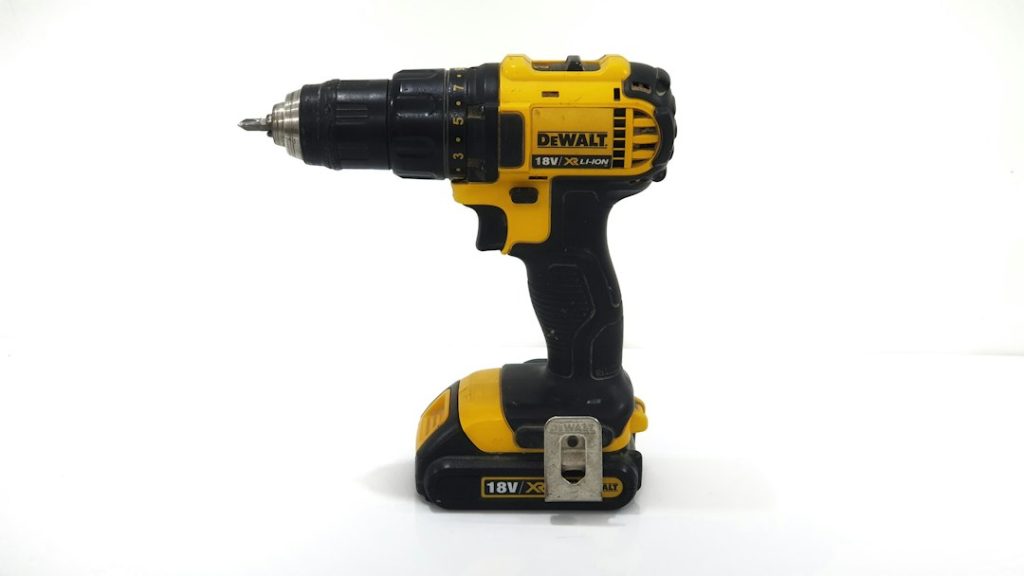
A cordless drill is your all-around workhorse for drilling holes and driving screws. Its primary mechanism involves a rotating chuck that spins a bit. When drilling, it simply rotates. When driving screws, it relies on the friction between the screw head and the driver bit. Most modern cordless drills offer multiple speed settings and a clutch that allows you to adjust the torque, preventing over-tightening and stripping screws. This adjustability makes them forgiving for beginners.
Impact Drivers: Mastering Tough Fastening
An impact driver is a specialized tool designed for fastening. Its unique mechanism delivers rotational force combined with concussive, percussive blows (impacts) directly to the fastener. When the driver encounters resistance, an internal hammer mechanism engages, striking the anvil to provide bursts of torque. This is exceptionally effective for driving long screws or lag bolts, especially into dense materials, with less effort and a reduced risk of cam-out (the bit slipping out of the screw head).

Key Performance Differences for DIYers
For the home DIYer, the nuances in power, speed, and bit compatibility translate directly into practical performance on various tasks. Understanding these differences will clarify which tool is better suited for your immediate needs.
Torque and Power Output: Which Drives Deeper?
Impact drivers generally boast significantly higher torque output than cordless drills. While a typical cordless drill might offer 300-500 in-lbs of torque, an impact driver can easily deliver 1000-2000 in-lbs or more. This raw power is what allows impact drivers to sink long fasteners quickly and with less user fatigue. Cordless drills, while less powerful in terms of pure torque, offer more controlled torque application through their adjustable clutch, which is vital for delicate tasks.
Speed and Control: Precision vs. Brute Force
Both tools typically offer variable speed triggers, allowing for control. However, the *way* they deliver that speed and power differs. Drills provide consistent rotation, making them ideal for precise drilling and the controlled driving of smaller screws where over-tightening is a concern. Impact drivers, with their hammering action, deliver rapid bursts of torque. This is fantastic for efficiency in fastening but can be too aggressive for small screws or delicate materials, potentially leading to damage if not managed carefully with trigger control.
Bit Compatibility and Versatility: What Fits?
Cordless drills use a three-jaw chuck that can grip a wide variety of bits, including drill bits (wood, metal, masonry), screwdriver bits, hole saws, and sanding attachments. This versatility is a major advantage. Impact drivers, on the other hand, typically use a 1/4-inch hex collet designed specifically for 1/4-inch hex shank bits, primarily driver bits. While specialized hex-shank drill bits exist, the selection is more limited compared to a drill’s chuck. You cannot use standard round-shank drill bits in an impact driver.

Real-World DIY Scenarios: When to Choose Which
The best tool for you depends entirely on the projects you envision tackling. Mapping common DIY tasks to the capabilities of each tool provides clarity.
Hanging Shelves & Pictures: The Drill’s Domain
For tasks like mounting shelves, hanging pictures, or drilling pilot holes for various fixtures, a cordless drill is usually the preferred tool. Its precision allows you to drill clean holes to the correct depth, and its controlled torque is perfect for driving screws into drywall anchors or wood without stripping them.
Assembling Furniture: Impact Driver’s Efficiency
Flat-pack furniture assembly often involves numerous screws. An impact driver can significantly speed up this process. Its ability to rapidly sink screws with minimal user effort makes assembling multiple pieces of furniture much less tedious. However, beginners should practice trigger control to avoid overtightening and damaging the particleboard or soft wood common in furniture.
Driving Long Screws into Hardwood: The Impact Driver Advantage
When working with dense materials like hardwood, or when driving long screws (3 inches or more), an impact driver truly shines. The percussive blows help to overcome the resistance of the material, driving the screw much deeper and faster than a drill could, all while reducing the strain on your wrist and arm.
Drilling into Concrete or Masonry: When a Drill (with Hammer Function) Shines
For drilling into harder materials like brick, concrete, or stone, a standard cordless drill is insufficient. You’ll need a hammer drill (a function often integrated into higher-end cordless drills) or a dedicated rotary hammer. An impact driver’s mechanism is designed for rotational impact, not the hammer-and-chisel action required for masonry. So, if your projects frequently involve mounting things to exterior brick or concrete walls, a hammer drill is essential – and this is a function an impact driver cannot replicate.
| Feature | Cordless Drill (Typical Mid-Range) | Impact Driver (Typical Mid-Range) |
|---|---|---|
| Primary Function | Drilling holes, Driving screws | Driving screws and lag bolts |
| Torque | 300-500 in-lbs | 1000-2000+ in-lbs |
| Mechanism | Rotational, Clutch for torque control | Rotational with percussive impacts |
| Speed Settings | Usually 2, variable speed trigger | Usually 2-3, variable speed trigger |
| Chuck Type | 1/2″ or 3/8″ Keyless 3-Jaw Chuck | 1/4″ Hex Collet |
| Bit Compatibility | Wide range: drill bits, driver bits, etc. | Primarily 1/4″ hex shank driver bits |
| Best for | General purpose, precise drilling, light-medium fastening | Heavy-duty fastening, long screws, dense materials |
| Weight (Tool Only) | 2.5 – 4.5 lbs | 2.0 – 3.5 lbs |
| Typical Price (Tool Only) | $70 – $150 | $80 – $170 |
Beginner’s Buying Guide: Making the Right First Choice
Deciding between these two essential tools requires an honest assessment of your DIY aspirations and practical considerations like budget.
Assessing Your DIY Needs: What Projects Will You Tackle?
This is the most critical step. List out the types of projects you anticipate doing in the next year or two. Are you mostly assembling furniture and hanging light decor? A cordless drill might suffice. Do you plan on building decks, fences, or frequently working with larger lumber and longer screws? An impact driver will be more beneficial. If your plans are varied and include drilling into masonry, a hammer drill function is key, typically found on a cordless drill.
Budget Considerations: Cordless Drill vs. Impact Driver Price Points
Generally, a capable entry-level to mid-range cordless drill can be found for slightly less than a comparable impact driver. However, prices vary widely by brand and features. Many reputable brands offer excellent tools in the $70-$150 range for the bare tool (battery and charger sold separately) or in starter kits. For a beginner, focusing on reputable brands known for durability and battery platform consistency is often a better investment than chasing the absolute cheapest option.
Starter Kits and Combos: Maximizing Value
For beginners, tool combo kits are often the most economical way to start. These kits typically include a cordless drill, an impact driver, at least one battery, and a charger. This allows you to acquire both tools and the necessary power accessories at a lower combined price than purchasing them individually. Brands like DeWalt, Makita, Bosch, and Ryobi offer various beginner-friendly combo kits.

Top Beginner-Friendly Models to Consider in 2026
Here are a few well-regarded models that offer a great balance of performance, features, and value for newcomers to the DIY scene.
Best Cordless Drill for Beginners: Bosch PS130-102
The Bosch PS130-102 is a compact and lightweight drill that is easy to handle, even for those new to power tools. It offers sufficient power for most common household tasks, adjustable speed, and a clutch for controlled screw driving. Its smaller size makes it maneuverable in tight spaces.
Max Torque265 in-lbs
Weight1.7 lbs
Bosch PS130-102 Pros
- Very compact and lightweight
- Easy to control
- Good battery life for its size
Bosch PS130-102 Cons
- Lower torque than larger drills
- May struggle with very large bits or demanding tasks
Best Impact Driver for Beginners: Ryobi P234
Ryobi’s P234 impact driver is a popular choice for its affordability and solid performance. It delivers ample torque for most DIY fastening needs and features a variable-speed trigger for better control. As part of Ryobi’s extensive 18V ONE+ system, batteries are readily available and interchangeable with hundreds of other Ryobi tools.
Max Torque1800 in-lbs
Weight2.3 lbs
Ryobi P234 Pros
- Excellent value for the price
- Powerful enough for most DIY tasks
- Part of a vast tool ecosystem
Ryobi P234 Cons
- Can be a bit noisy
- May lack some finer control features of higher-end models
Excellent Value Combo Kit: DeWalt DCK240C2
This DeWalt kit is a perennial favorite for beginners. It includes a compact 20V MAX drill and a 20V MAX impact driver, along with two batteries and a charger. DeWalt is known for its durability and performance, making this kit a robust introduction to quality tools that will last.
Impact Driver Torque1400 in-lbs
Kit IncludesDrill, Impact Driver, 2x Batteries, Charger
DeWalt DCK240C2 Kit Pros
- Includes both essential tools
- Durable and reliable DeWalt brand
- Good battery system
DeWalt DCK240C2 Kit Cons
- Drill torque is adequate but not exceptional
- Impact driver torque is moderate compared to professional models
Beyond the Basics: Essential Accessories for Your First Tool
Owning a tool is just the first step. To maximize its utility and ensure success on your projects, you’ll need a few key accessories.
Drill Bit Sets for Various Materials
A good set of drill bits is non-negotiable. Look for sets that include bits for wood (spade bits or brad-point bits), metal (HSS bits), and potentially masonry (carbide-tipped bits) if your drill has a hammer function. Having a range of sizes will prepare you for most common drilling tasks.
Driver Bit Selection for Impact Drivers
While impact drivers come with a basic bit, investing in a quality set of impact-rated driver bits is crucial. These bits are designed to withstand the high torque and hammering action of an impact driver, offering better durability and reducing the risk of breakage. Include common Phillips (PH2), Square (SQ2), and Torx (T25) bits.
Batteries and Chargers: Powering Your Projects
If you buy bare tools, ensure you get compatible batteries and a charger. For combo kits, the charger and batteries are included. Consider purchasing an extra battery if your budget allows. This way, while one battery is charging, you can continue working with the other, significantly reducing downtime on larger projects.
Frequently Asked Questions for New DIYers
As you start your tool journey, some common questions arise. Here are answers to clarify potential confusions.
Can I use a drill as an impact driver?
No, not effectively. A standard cordless drill lacks the percussive hammering mechanism that defines an impact driver. While you can manually “hammer” a drill against a fastener, it’s inefficient, ineffective, and risks damaging the tool or fastener. An impact driver’s mechanism is internal and designed for rapid, powerful impacts.
Can I use an impact driver as a drill?
You can use an impact driver for drilling some holes, especially in wood, using specialized 1/4-inch hex shank drill bits. However, it’s not ideal for precise drilling, especially in metal or masonry. The impact action can make it difficult to control the bit’s path, and you don’t have the same level of torque control as a drill’s clutch for delicate work. For most drilling tasks, a cordless drill is superior.
Which tool is better for a beginner who does a little bit of everything?
For a beginner who wants maximum versatility and is unsure of their primary project types, a standard cordless drill is often the best first purchase. It handles the most common tasks of drilling holes and driving screws with good control. If budget allows, starting with a drill/impact driver combo kit is the ideal solution, giving you both tools from day one.
How much should a beginner spend on their first tool?
A beginner can expect to spend anywhere from $70 to $200 for a quality entry-level cordless drill or impact driver, often including a battery and charger, or as part of a basic combo kit. Investing in a reputable brand in this range provides durability and performance that will serve well for years. Avoid suspiciously cheap, unbranded tools, as they often lack power, durability, and safety features.

👑 Ultimate Winner: Cordless Drill for Most Beginners
For the vast majority of beginners, the cordless drill is the more essential first purchase. Its versatility for drilling holes and its controlled torque for driving screws make it the foundational tool for a wide range of home improvement and assembly tasks. While impact drivers offer superior power for heavy-duty fastening, the precision and broader application range of a cordless drill make it the more practical starting point. If budget and project scope allow, opting for a drill/impact driver combo kit provides the best of both worlds, ensuring you’re equipped for nearly any common DIY challenge that comes your way.