
Drill Brush vs Manual Scrubbing: Speed & Surface Damage in 2026
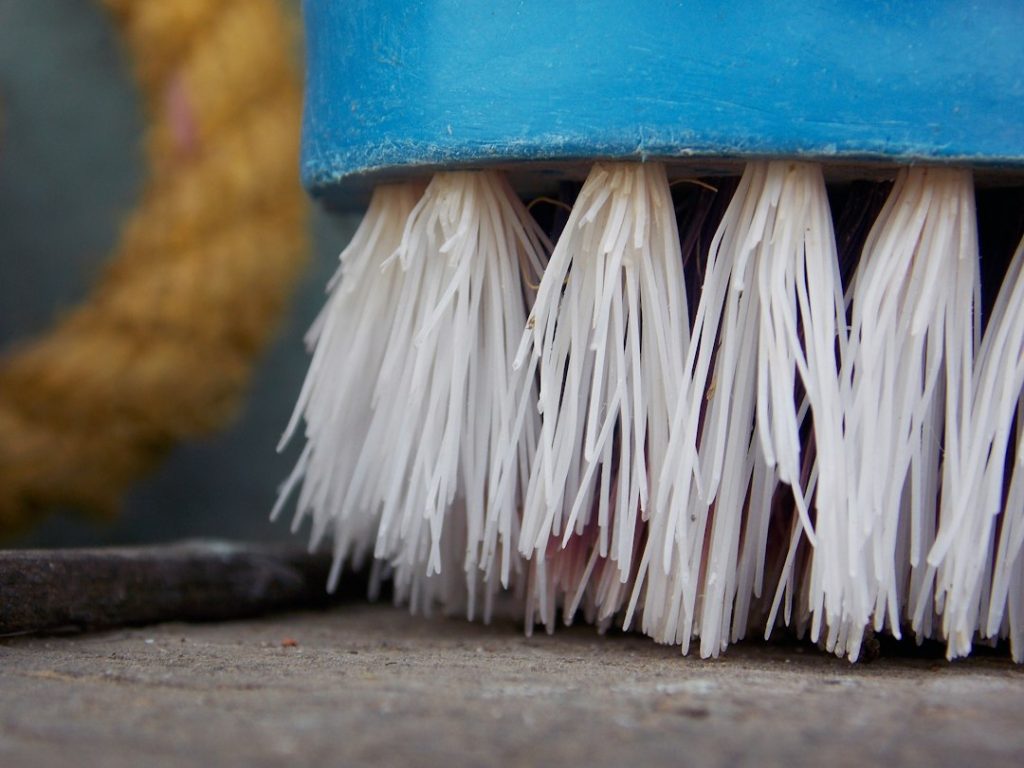
Scrubbing stubborn grime often means choosing between a physically demanding manual approach and the potentially aggressive speed of power tool attachments. The debate between drill brush attachments and traditional manual scrubbing isn’t just about effort; it’s a critical decision impacting your cleaning time and the integrity of your surfaces. As we head into 2026, understanding their distinct advantages and risks is paramount for any DIY enthusiast or homeowner aiming for pristine results without costly damage.
The Ultimate Showdown: Drill Brush Attachments vs. Manual Scrubbing
This isn’t just about which method is quicker; it’s a nuanced comparison of efficiency, physical toll, deep cleaning capability, and the ever-present risk of surface damage. We’ll dissect each aspect to equip you with the knowledge to make the right choice for your specific cleaning task.
What Are Drill Brush Attachments?
Drill brush attachments are accessories designed to connect to a standard corded or cordless drill. They feature bristles of varying stiffness and shapes—from rounded corner brushes to flat scrubbers—that rotate at high speeds when the drill is engaged. The drill’s rotational power is transferred to the brush, creating a vigorous scrubbing action that can dislodge dirt, mold, mildew, soap scum, and other tough residues far more aggressively than manual effort alone. They come in various materials, including nylon, brass, and stainless steel, each suited for different levels of grime and surface durability.

The Traditional Method: Manual Scrubbing
Manual scrubbing involves using handheld tools like sponges, scrub pads, toothbrushes, or dedicated scrub brushes, often combined with a cleaning solution. This method relies entirely on the user’s physical exertion to generate friction and lift dirt. While it offers direct control over pressure and movement, it can be time-consuming and physically taxing, especially for large areas or deeply ingrained stains. The effectiveness is highly dependent on the type of brush or pad used, the cleaning agent, and the user’s stamina and technique.
Performance Metrics: Speed and Efficiency Comparison
| Metric | Drill Brush Attachments | Manual Scrubbing |
|---|---|---|
| Speed | Significantly faster, especially on large or heavily soiled areas. | Slower, relies on repetitive user action. |
| Effort | Minimal physical effort; drill does the work. | High physical effort; requires sustained exertion. |
| Deep Cleaning Power | High, can dislodge stubborn, caked-on grime effectively. | Moderate to high, depending on tool and user strength; can be less effective on very tough stains without significant effort. |
| Reach & Accessibility | Can reach tight corners and awkward angles with specific attachments. | Limited by arm reach and tool maneuverability; difficult in very tight spots. |
Time Saved: Drill Brushes in Action
The most undeniable advantage of drill brush attachments is their speed. Tasks that might take an hour or more of vigorous manual scrubbing can often be completed in a fraction of that time—sometimes as little as 10-15 minutes. For instance, cleaning grout lines in a shower or a large tiled floor can be dramatically accelerated. The high-speed rotation of the bristles, combined with the consistent pressure from the drill, covers more surface area and works the cleaning solution into crevices much faster than a person can by hand. This efficiency is a major draw for homeowners facing large cleaning projects or those who simply want to minimize time spent on chores.
Effort Involved: Reducing Physical Strain
Manual scrubbing is a physical workout. Kneeling on bathroom floors, reaching overhead in showers, or scrubbing large surfaces for extended periods can lead to fatigue, sore muscles, and even joint strain. Drill brush attachments virtually eliminate this physical burden. The user primarily needs to guide the drill; the tool provides the power. This makes them an excellent option for individuals with physical limitations, the elderly, or anyone who wants to conserve their energy. The reduction in physical strain means less risk of injury and a more pleasant cleaning experience overall.

Deep Cleaning Power: Tackling Tough Grime
When it comes to deeply embedded dirt, soap scum, mold, or mildew, drill brush attachments often outperform manual methods. The combination of high RPMs and the stiff bristles can aggressively abrade and lift these stubborn residues. For grout lines, the concentrated scrubbing action can restore them to a like-new appearance. Similarly, baked-on grease in kitchens or hard water stains in bathrooms can be tackled more effectively. Manual scrubbing can achieve deep cleaning, but it usually requires more elbow grease, specialized tools, and often, harsher chemicals to achieve the same level of clean.
Surface Damage Assessment: Protecting Your Materials
Drill Brush Attachments: Pros & Cons
👍 Pros
- Drastically reduces cleaning time.
- Minimizes physical effort and strain.
- Effective on tough grime, mold, and mildew.
- Ideal for large areas and repetitive tasks.
👎 Cons
- Potential for surface damage if incorrect brush/speed is used.
- Requires a compatible drill.
- Can splatter cleaning solutions.
- Less tactile feedback for delicate work.
Manual Scrubbing: Pros & Cons
👍 Pros
- Maximum control over pressure and movement.
- Lower risk of surface damage with careful use.
- No need for power tools.
- Better for intricate details and very delicate surfaces.
👎 Cons
- Time-consuming and labor-intensive.
- Can be physically exhausting.
- May struggle with deeply set stains.
- Limited reach in difficult areas.
Risk Factors with Drill Brush Attachments
The primary risk associated with drill brush attachments is surface damage. Using a brush with bristles that are too stiff for the material, applying excessive pressure, or maintaining contact for too long can lead to scratching, etching, or abrasion. This is particularly true for delicate surfaces like polished natural stone, certain plastics, painted surfaces, or older, worn finishes. The high rotational speed can also cause cleaning solutions to splatter aggressively, potentially damaging surrounding areas or causing mess if not contained. Always start with the lowest effective speed and a softer brush, testing in an inconspicuous area first.
When Manual Scrubbing Poses a Threat
While generally considered safer for surfaces due to the user’s direct control, manual scrubbing isn’t without risk. Using abrasive scrubbing pads (like steel wool or very coarse synthetic pads) on delicate materials can cause micro-scratches or dull the finish. Applying excessive force with a stiff-bristled brush can also etch or wear away softer materials over time. The main danger with manual scrubbing is often user error—applying too much force with the wrong tool or for too long, especially when fatigued.
Material-Specific Guidance: Tile, Grout, Fiberglass, and More
Tile and Grout: Drill brushes excel here. Nylon bristles are generally safe for most tiles and grout. For stubborn grout stains, a stiffer nylon or even a brass brush (used cautiously) can be effective. Manual scrubbing with a grout brush works but takes much longer.
Fiberglass and Acrylic Tubs/Showers: These materials are softer and prone to scratching. Use only soft to medium nylon bristles at lower drill speeds. Avoid brass or steel brushes entirely. Manual scrubbing with a non-abrasive sponge or cloth is often the safest bet for routine cleaning.
Natural Stone (Granite, Marble, Travertine): These porous and often sealed surfaces require extreme caution. For routine cleaning, a soft nylon brush attachment at low speed with a pH-neutral cleaner might be acceptable, but manual wiping with a soft cloth or a specialized stone cleaner is highly recommended to prevent etching or dulling the polish.
Painted Surfaces: Generally, avoid power scrubbing on painted surfaces, whether walls, cabinets, or appliances. The aggressive action can easily remove paint. Manual wiping with a soft cloth and mild detergent is the only safe option.
Stainless Steel: Use nylon brushes only, and always scrub in the direction of the grain to avoid visible scratches. Brass brushes can also be used cautiously on tougher grime, but test first.

Choosing the Right Tool for the Job: Application Guide
| Application Area | Recommended Tool | Rationale |
|---|---|---|
| Large Tiled Floors | Drill Brush Attachment (Medium Nylon) | Covers large areas quickly with minimal fatigue. |
| Shower Grout & Corners | Drill Brush Attachment (Small, Rounded Nylon) | Reaches tight spaces efficiently, tackles mold/mildew. |
| Bathtub & Shower Walls (Fiberglass/Acrylic) | Manual Scrubbing (Soft Sponge/Cloth) or Drill Brush (Soft Nylon, Low Speed, Test First) | Delicate material requires gentle cleaning to prevent scratches. |
| Kitchen Sinks & Countertops | Drill Brush Attachment (Nylon, depending on material) or Manual Scrubbing | Depends on material; drill brushes good for stubborn grease, manual better for delicate stone. |
| Delicate Natural Stone Surfaces | Manual Scrubbing (Soft Cloth) | Highest risk of damage from power tools; manual offers essential control. |
| Stubborn Baked-on Grease (Ovens, Stovetops) | Drill Brush Attachment (Stiffer Nylon or Brass, if surface permits) | Power and bristle stiffness needed for heavy-duty grease removal. |
Best Use Cases for Drill Brush Attachments
Drill brush attachments are best suited for tasks involving large surface areas that require significant scrubbing power and where time efficiency is a priority. This includes cleaning tiled floors, shower stalls (especially grout lines), swimming pool tile, heavily soiled car wheels, outdoor furniture, and even prepping surfaces for painting or sealing. They are also invaluable for individuals who find manual scrubbing physically challenging.
When Manual Scrubbing Remains Superior
Manual scrubbing is the preferred method for delicate surfaces that cannot withstand the rotational force or stiff bristles of a drill attachment. This includes most natural stones, high-gloss finishes, painted walls, antique tiles, and certain plastics. It’s also the better choice for intricate details, small touch-ups, or when you need precise control over pressure and coverage, such as cleaning delicate glassware or antique ceramics. For users without a compatible drill or those who prefer a more hands-on, less aggressive approach, manual scrubbing is the go-to.
Selecting the Right Brush Stiffness and Type
The choice of brush is critical.
- Soft Nylon: Ideal for delicate surfaces like fiberglass, acrylic, glass, and general-purpose cleaning.
- Medium Nylon: A good all-around choice for most tiles, grout, sealed concrete, and synthetic surfaces.
- Stiff Nylon: Suitable for tougher jobs on durable materials like unsealed concrete, brick, or heavily soiled industrial floors. Use with caution.
- Brass: More aggressive, effective on tough grease and grime on durable surfaces like metal or concrete, but carries a higher risk of scratching.
- Steel: The most aggressive, generally reserved for heavy-duty industrial applications or extremely tough, non-delicate surfaces. High risk of damage.
Attachment shape also matters: rounded brushes are great for corners and edges, while flat brushes cover larger surfaces.
Expert Tips for Optimal Cleaning Results in 2026
Maximizing Drill Brush Effectiveness
To get the most out of your drill brush attachments: always use the appropriate brush stiffness and shape for the task. Start with a lower drill speed and gradually increase if needed. Apply consistent, moderate pressure; let the drill and brush do the work. Keep the attachment moving to prevent excessive wear on one spot. Use a quality cleaning solution suited to the surface and the grime. For large areas, consider an extension pole to improve reach and ergonomics. Always wear safety glasses to protect from splatter and debris.
Pro Techniques for Manual Scrubbing
When scrubbing manually, use tools appropriate for the surface. For grout, a stiff-bristled grout brush or even an old toothbrush can be effective. Apply cleaning solutions and let them dwell for a few minutes to break down grime before scrubbing. Use a circular motion for stubborn spots and long, even strokes for larger areas. For deep cleaning, consider investing in ergonomic handles or brushes that reduce strain. Remember to rinse thoroughly to remove all cleaning solution residue.
Avoiding Common Mistakes with Both Methods
With Drill Brushes: The biggest mistake is using the wrong brush or too much speed/pressure, leading to damage. Another is not testing in an inconspicuous area first. Over-reliance on the tool without proper technique can also be an issue. Splatter control is key – sometimes using less water or a thicker cleaning gel can help.
With Manual Scrubbing: Common errors include insufficient dwell time for cleaning solutions, using overly abrasive materials on delicate surfaces, and not rinsing thoroughly, which can leave residue that attracts more dirt. Physical fatigue leading to uneven cleaning is also frequent.

FAQ: Drill Brush Attachments vs. Manual Scrubbing
Can drill brushes damage my surfaces?
Yes, they can. Damage typically occurs if you use a brush that is too stiff for the surface, apply excessive pressure, or maintain contact for too long. Always start with the softest brush suitable for the job and the lowest effective drill speed, testing in an inconspicuous area first.
Which is faster for cleaning grout?
Drill brush attachments are significantly faster for cleaning grout than manual scrubbing. Their high-speed rotation and aggressive bristles can clean grout lines in a fraction of the time it takes by hand.
Are drill brush attachments worth the investment?
For tasks involving extensive grout cleaning, large tiled areas, or persistent grime, drill brush attachments are generally worth the investment. They save considerable time and physical effort. However, if your cleaning needs are minimal or primarily involve delicate surfaces, they may not be necessary.
What types of surfaces can I use drill brushes on?
You can use drill brushes on durable surfaces like ceramic and porcelain tiles, sealed concrete, brick, grout, metal, and some plastics. Exercise extreme caution or avoid altogether on natural stone, painted surfaces, fiberglass, acrylic, and other delicate or easily scratched materials. Always select the correct brush stiffness and test first.
👑 Ultimate Winner: Drill Brush Attachments (for most common tasks)
For the majority of homeowners seeking efficiency and reduced physical strain in tasks like bathroom and kitchen cleaning, grout restoration, and general surface scrubbing, drill brush attachments emerge as the superior choice in 2026. Their ability to drastically cut down cleaning time and effort makes challenging chores manageable. However, this victory comes with a crucial caveat: proper selection and cautious application are paramount. Users must diligently choose the correct brush stiffness and attachment type for their specific surfaces and operate their drills at appropriate speeds. For highly delicate materials, intricate details, or antique surfaces where precise control is non-negotiable, manual scrubbing remains the irreplaceable, safer alternative. The key is to view them not as mutually exclusive options, but as complementary tools in a well-equipped cleaning arsenal, deployed based on the demands of the task and the resilience of the material.