
Gas vs Battery Mowers: Cutting Power, Maintenance & 2026 Guide
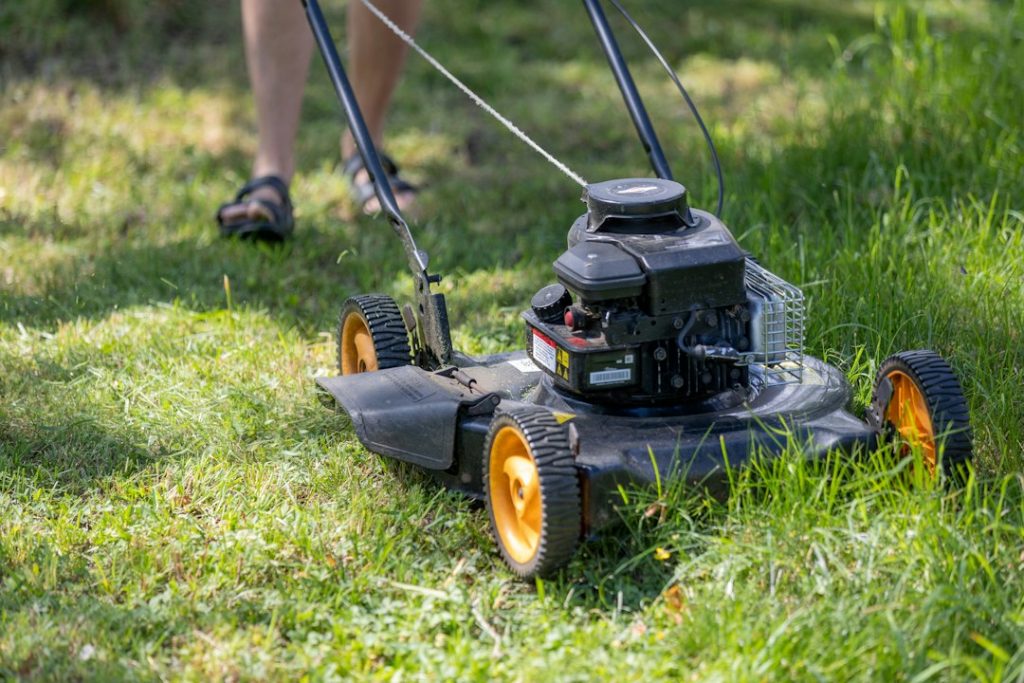
Choosing between a gas and a battery electric lawn mower in 2026 boils down to a critical trade-off: raw, untamed power and the traditional approach versus convenience, environmental consciousness, and evolving technology. Both have carved out their niches, appealing to different homeowner priorities. This guide dives deep into the core differences, focusing on cutting power and annual maintenance, to help you make the most informed decision for your lawn care needs.
Head-to-Head: Cutting Power Showdown
The heart of any lawn mower is its ability to cut grass effectively. This isn’t just about slicing; it’s about consistent performance under various conditions, from thick, wet grass to overgrown weeds. Here’s how gas and battery electric mowers stack up in terms of sheer cutting force.
Gas Mowers: Unrivaled Torque for Tough Lawns
For decades, the roar of a gas engine has been the soundtrack to lawn care. This power isn’t just for show. Gas mowers typically boast higher torque, the rotational force that directly translates to cutting power. This is particularly evident in their ability to power through thick, dense, or wet grass without bogging down. The consistent power delivery, regardless of the battery charge level (or lack thereof), makes them a reliable workhorse for large properties or lawns that are frequently allowed to grow a bit long. Their engine displacement, measured in cubic centimeters (cc), often directly correlates with their raw power output, with larger engines providing more substantial torque.
Battery Electric Mowers: Surging Power, Quieter Operation
The narrative around battery electric mowers has shifted dramatically. Gone are the days of weak, underpowered units. Modern battery electric mowers, especially those with higher voltage systems (40V, 60V, 80V, and beyond), now offer cutting power that rivals, and in some cases, exceeds that of many gas counterparts. Brushless motor technology has been a significant leap, providing more efficient power delivery, longer runtimes, and a quieter operation. While they might not always match the peak torque of the most powerful gas engines in extreme conditions, their performance is more than adequate for the vast majority of residential lawns. The power delivery is also notably smooth and consistent until the battery is depleted.
Real-World Cutting Performance: Grass Types & Conditions
When it comes to handling different grass types, both have strengths. Gas mowers, with their inherent torque advantage, generally excel at mulching thick, wet grass common in spring or after heavy rains. They can power through without leaving ragged cuts. Battery electric mowers have made significant strides here. Higher-end models with robust motors and sharp blades can handle these conditions admirably, often with less “bogging down” than older electric models. For typical residential lawns with common grass types like fescue, bluegrass, or Bermuda, both types, when well-maintained and equipped with sharp blades, will deliver a clean cut. However, if your lawn is a mix of thick weeds, dense fescue, or you often mow after heavy rain, a higher-torque gas mower might still hold a slight edge, though premium battery models are rapidly closing this gap.

The Annual Maintenance Maze: Gas vs. Battery
This is where the most significant divergence occurs. The ongoing care required for each type of mower presents a clear distinction in complexity, cost, and time commitment.
Gas Mower Maintenance: The Essential Checklist (Oil, Spark Plugs, Filters & More)
Gas mowers are mechanical marvels, but they demand regular upkeep to maintain peak performance and longevity. Annual (and sometimes more frequent) maintenance is non-negotiable:
- Oil Changes: Like any small engine, gas mowers need oil changes. This involves draining old oil and refilling with fresh, appropriate grade oil.
- Spark Plug Replacement: Spark plugs can foul or wear out, affecting ignition and engine performance. They are relatively inexpensive and easy to replace.
- Air Filter Cleaning/Replacement: A clogged air filter starves the engine of air, reducing power and efficiency. These need to be cleaned or replaced periodically.
- Fuel System Care: Using fresh fuel is crucial. Stabilizers are often recommended, especially for storage over winter, to prevent gumming up the carburetor.
- Blade Sharpening and Balancing: Essential for both types, but a sharp blade is critical for efficient cutting and engine load on gas mowers.
- General Cleaning and Inspection: Keeping the mower deck clean and checking belts and other components ensures smooth operation.
Failure to perform these tasks can lead to decreased performance, hard starting, and potentially costly engine damage.
Battery Electric Mower Maintenance: Simplicity Redefined (Battery Care & Blade Sharpening)
The beauty of battery electric mowers lies in their simplicity. With fewer moving parts and no internal combustion, the maintenance list is drastically shorter:
- Battery Care: This primarily involves proper charging and storage. Most modern lithium-ion batteries require minimal user intervention beyond ensuring they are stored in a temperate environment and not left completely discharged for extended periods.
- Blade Sharpening and Balancing: Just like gas mowers, the blades need to be kept sharp for optimal cutting. This is arguably the most significant maintenance task.
- Cleaning: Keeping the mower deck and body clean from grass clippings and debris is important for performance and longevity.
- Storage: Storing the mower and batteries in a dry, protected location is recommended.
There are no oil changes, no spark plugs, no fuel filters, and no carburetors to worry about. This translates to significant time savings and lower consumable costs.
Gas Mower Maintenance: Pros & Cons
👍 Pros
- High power output suitable for demanding tasks.
- Wide range of models and price points historically.
- Refueling is quick.
👎 Cons
- Requires regular, multi-step maintenance (oil, filters, plugs).
- Louder operation and emissions.
- Fuel costs and storage can be inconvenient.
- Heavier and more vibration.
Battery Electric Mower Maintenance: Pros & Cons
👍 Pros
- Minimal maintenance: No oil, gas, spark plugs, or filters.
- Quieter operation and zero emissions.
- Lighter weight and easier maneuverability.
- Simple push-button start.
👎 Cons
- Runtime is limited by battery life.
- Battery replacement can be expensive.
- Peak power may not match the highest-end gas models in extreme conditions.
- Charging time can be a factor.
Long-Term Costs: Maintenance, Repairs, and Lifespan
When considering long-term costs, gas mowers incur ongoing expenses for oil, filters, spark plugs, fuel, and potentially more frequent repairs related to the engine. Battery electric mowers have a lower consumable cost, but the eventual replacement of batteries is a significant factor. High-quality lithium-ion batteries typically last 5-10 years or a certain number of charge cycles, depending on usage and care. Replacement costs can range from $100 to $300 or more, depending on the voltage and capacity. However, the elimination of fuel and the reduced complexity often lead to fewer mechanical failures, potentially balancing out the battery replacement cost over the mower’s lifespan.

Key Considerations for Your 2026 Purchase
As you look towards purchasing a mower in 2026, several factors will influence your choice beyond just power and maintenance.
Power Source: Convenience vs. Raw Strength
Gas offers raw, consistent power, ideal for very large or challenging yards. Battery electric offers convenience and sufficient power for most, with the added benefit of ease of use and quieter operation. The decision hinges on whether your lawn’s demands outweigh the benefits of modern electric technology.
Runtime & Charging: How Long Can You Mow?
Gas mowers run as long as you have fuel. Battery electric mowers have limited runtimes, typically 30-60 minutes per charge for standard models, though high-end units can push 90 minutes. Consider your lawn size and if you need multiple batteries or time to recharge.
Noise Levels & Emissions: Environmental Impact
Electric mowers are significantly quieter and produce zero direct emissions, making them more neighbor-friendly and environmentally sound. Gas mowers are noisy and emit pollutants.
Weight & Maneuverability: Ease of Use Matters
Battery electric mowers are generally lighter than their gas counterparts, making them easier to push, maneuver, and store. This is a significant advantage for those with hilly terrain or who find heavy equipment challenging.
Price Point & Warranty: Investing in Your Lawn Care
Initial purchase prices vary widely for both types. While some high-end battery mowers can be expensive, entry-level and mid-range options are competitive. Gas mowers offer a broad spectrum from budget to premium. Warranties are also a key consideration; electric mowers often have longer battery and overall unit warranties, reflecting confidence in their technology.
| Feature | Typical Gas Mower (21-inch) | Typical Battery Electric Mower (21-inch) |
|---|---|---|
| Engine Power/Torque | High, consistent torque (measured in cc) | Good to High, depending on voltage (e.g., 40V, 60V, 80V) |
| Starting Mechanism | Recoil pull-start (some electric start) | Push-button electric start |
| Noise Level | High (typically 90-100 dB) | Low to Moderate (typically 70-85 dB) |
| Emissions | Yes (CO, NOx, HC) | Zero direct emissions |
| Maintenance Required | High (Oil, spark plug, air filter, fuel) | Low (Blade sharpening, battery care) |
| Fueling/Charging Time | Refuel in minutes | Charge time varies (30 mins to several hours) |
| Runtime | Unlimited (with fuel) | 30-90 minutes per charge (model dependent) |
| Weight | Heavier (e.g., 60-90 lbs) | Lighter (e.g., 40-70 lbs) |
| Vibration | Higher | Lower |
| Typical Price Range (USD) | $300 – $800+ | $400 – $1000+ (battery/charger often included) |
| Warranty | 1-3 years (engine/unit) | 2-5 years (unit), 2-4 years (battery) |
Top Gas Mower Picks for 2026 (Power & Durability Focused)
For those who prioritize brute force and the proven reliability of gas engines, these models represent the pinnacle of performance and durability for 2026.
Best Overall Gas Mower: Honda HRN216VKA
Honda’s reputation for reliable engines extends to their lawn mowers. The HRN216VKA offers a robust 170cc engine, excellent cutting performance with its dual-action cutting system, and features like SmartStow for easier vertical storage. It strikes a perfect balance between power, user-friendliness, and Honda’s legendary build quality.
Best Value Gas Mower: Toro Recycler 21761
Toro consistently delivers value, and the Recycler line is a testament to that. This model often features a reliable engine, durable steel deck, and effective mulching capabilities at a competitive price point. It’s a solid choice for homeowners seeking dependable performance without breaking the bank.
Best Self-Propelled Gas Mower: Troy-Bilt TB230
For larger yards or those with inclines, self-propelled functionality is key. The Troy-Bilt TB230 typically offers a capable engine, front-wheel drive for good maneuverability, and a durable build, making lawn mowing less of a chore.
Top Battery Electric Mower Picks for 2026 (Cutting Power & Runtime Champions)
The electric revolution is here, and these mowers lead the charge with impressive cutting power, extended runtimes, and advanced features.
Best Overall Battery Electric Mower: EGO 21-Inch Self-Propelled
EGO consistently ranks at the top for battery-powered outdoor equipment. Their 21-inch self-propelled mower, often powered by their 56V ARC Lithium™ battery system, offers exceptional cutting power comparable to many gas mowers, long runtimes, and smart features like variable speed self-propel. The battery platform is also compatible with their wide range of other EGO tools.
Best Value Battery Electric Mower: Ryobi 40V 20-Inch
Ryobi’s 40V system provides a strong blend of performance and affordability. Their 20-inch mower is typically lightweight, easy to operate, and delivers sufficient power for medium-sized lawns. The availability of a wide array of other Ryobi 40V tools makes it an attractive entry point into battery-powered yard care.
Best High-Performance Battery Electric Mower: Greenworks Pro 80V
For maximum power and runtime in the electric space, Greenworks Pro’s 80V system is a top contender. These mowers often feature impressive torque, capable of handling tougher grass, and longer runtimes thanks to the high-voltage batteries. They represent the cutting edge of what battery technology can offer in lawn care.

Expert Insights: Making the Right Choice for Your Lawn
Ultimately, the “best” mower is the one that fits your specific needs and property. Here’s some expert advice to guide your decision.
Understanding Your Lawn’s Needs: Size, Terrain, and Grass Type
For small, flat lawns, almost any mower will do. For larger areas (over 1/3 acre), consider self-propelled options and battery runtime. Hilly terrain favors lighter mowers or powerful self-propelled systems. If you have particularly tough or thick grass, prioritize power – whether it’s high-torque gas or a high-voltage electric.
Future-Proofing Your Purchase: Battery Ecosystems & Advancements
If you’re leaning electric, consider the brand’s battery ecosystem. Investing in a system like EGO, Greenworks, or Ryobi means your batteries can power other tools, offering greater long-term value and convenience. The pace of battery technology advancement is rapid, promising even longer runtimes and faster charging in the coming years.
Common Pitfalls to Avoid When Buying
Don’t underestimate your lawn’s needs. Buying an underpowered mower for a large or challenging yard will lead to frustration. Conversely, overspending on a high-performance model for a postage-stamp lawn is unnecessary. For electric, check the battery voltage and Amp-hour (Ah) rating – higher numbers generally mean more power and runtime. Always read reviews focusing on cutting performance in conditions similar to yours.

Frequently Asked Questions: Gas vs. Electric Lawn Mowers in 2026
Can electric mowers cut as well as gas?
Yes, high-voltage (60V+) battery electric mowers can cut just as well as, and sometimes better than, comparable gas mowers for most residential applications. They offer consistent power and excellent blade performance when maintained.
How much maintenance does a gas mower truly require annually?
Annually, a gas mower typically requires an oil change, air filter cleaning/replacement, spark plug replacement, and fuel system preparation (like stabilizer use for storage). Blade sharpening is also a recurring task.
What is the expected lifespan of a battery for an electric mower?
High-quality lithium-ion batteries for electric mowers typically last 5-10 years or between 300-1000 charge cycles, depending on usage patterns, climate, and manufacturer quality. Proper care and storage can extend this lifespan.
Which type is more cost-effective in the long run?
This depends on usage, electricity costs, and battery replacement. While gas mowers have lower upfront costs (often), their ongoing expenses for fuel and maintenance can add up. Electric mowers have higher upfront costs (due to batteries), but lower running costs and potentially fewer repairs. The eventual battery replacement cost is the main factor for electric, but many find the overall cost of ownership comparable or even favorable for electric due to reduced hassle and consumables.
👑 Ultimate Winner: It Depends on Your Priorities
For the vast majority of homeowners with standard residential lawns (up to 1/2 acre), a premium battery electric mower (like EGO or Greenworks Pro 80V) is the recommended choice for 2026. They offer a superior user experience with significantly less maintenance, quieter operation, and zero emissions, while providing ample cutting power. However, for extremely large properties, dense, difficult-to-cut grasses, or users who prioritize zero downtime for refueling over all else, a high-quality gas mower (like the Honda HRN series) remains a powerful and reliable, albeit more demanding, option.