
Painting vs Refacing Cabinets: Cost & Longevity Showdown 2026
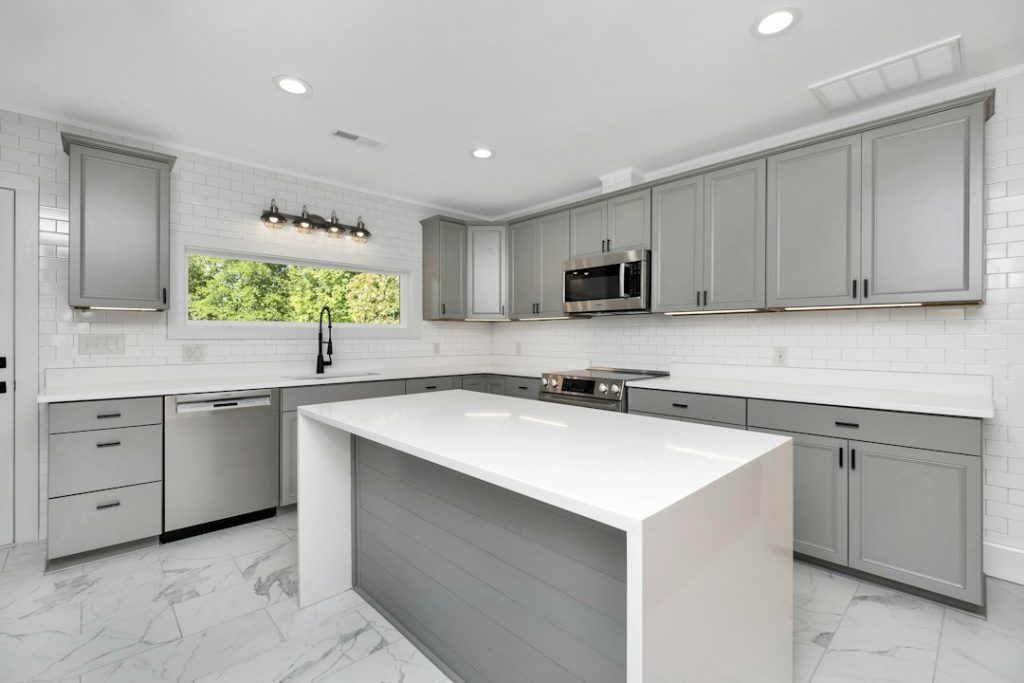
The kitchen is often the heart of the home, and its cabinets play a starring role in its overall aesthetic and functionality. When time, wear, or a desire for a fresh look takes its toll, homeowners face a pivotal decision: paint their existing cabinets or opt for a full refacing. Both promise an updated kitchen, but their implications for your wallet and the test of time couldn’t be more different. This showdown dissects the true costs, expected lifespans, and long-term value of painting versus cabinet refacing to guide your critical home improvement choice.
The Core Dilemma: Painting vs. Refacing Your Kitchen Cabinets
Choosing between painting and refacing boils down to prioritizing immediate aesthetic impact and budget, versus long-term durability and a more significant transformation. Painting offers a cosmetic refresh, breathing new life into tired cabinets with a new color. Refacing, on the other hand, involves replacing the visible surfaces—doors, drawer fronts, and often a veneer over the cabinet boxes—creating the look and feel of entirely new cabinetry without the full gut renovation.
Understanding the Appeal of Painted Cabinets
The allure of painted cabinets lies in their accessibility and affordability. For a fraction of the cost of replacement or refacing, a fresh coat of paint can dramatically alter a kitchen’s appearance. It’s a popular DIY project, empowering homeowners to achieve a custom look. Whether it’s a crisp white, a bold navy, or a soft sage green, paint allows for a high degree of personalization. The process, while labor-intensive, is conceptually straightforward and can often be completed within a weekend or two for the ambitious DIYer.
The Long-Term Promise of Refaced Cabinets
Cabinet refacing presents a more robust, long-term solution. By replacing doors and drawer fronts with new ones, often made from high-quality materials like solid wood or premium veneers, you’re not just changing the color but potentially upgrading the entire structure’s look and feel. The cabinet boxes themselves remain, but the exposed surfaces are renewed. This method typically offers a more durable, factory-finish quality that stands up better to daily wear and tear compared to many painted surfaces. It’s a significant upgrade that can feel akin to a full kitchen remodel without the associated mess and disruption.
Deep Dive: Cost Breakdown – Painting Kitchen Cabinets
Painting kitchen cabinets can range from a budget-friendly DIY endeavor to a moderately expensive professional service. The final cost is heavily influenced by the scope of work, the quality of materials used, and whether you hire professionals or tackle it yourself.
Material Costs for DIY Painting
For a DIY painting project, the primary costs involve the paint itself, primer, sandpaper, cleaning supplies, caulk, and wood filler for any necessary repairs. High-quality cabinet-specific paints and primers are crucial for adhesion and durability, often costing between $50-$100 per gallon. You’ll also need brushes, rollers, and trays, which can add another $50-$100. For a standard-sized kitchen, budget approximately $200-$400 for materials alone.
Professional Painting Service Costs
Hiring professionals significantly increases the cost but also guarantees a smoother, more durable finish. Professional painters charge based on the kitchen size, cabinet complexity, and the desired finish. Expect to pay anywhere from $2,000 to $5,000 for a professional cabinet painting service. This price typically includes proper surface preparation, high-quality paints, and professional application, saving you considerable time and effort.
Hidden Costs of Painting (Prep, Tools, Time)
The most underestimated cost of painting is time and labor. Proper preparation—degreasing, sanding, priming, and masking—can take days. If you DIY, your time is a significant investment. Additionally, you’ll need to factor in the cost of new hardware (knobs, pulls), which can add $100-$300+, and potential touch-up costs down the line if the paint chips or wears prematurely.

Deep Dive: Cost Breakdown – Cabinet Refacing
Cabinet refacing is a more substantial investment than painting, reflecting the cost of new materials and skilled labor required to transform the appearance of your cabinets.
Material Costs for Refacing Kits/Materials
Refacing involves replacing doors and drawer fronts, and often applying a new veneer to the exposed cabinet frames. The cost of materials varies greatly depending on the wood species or laminate chosen. Basic laminate veneers might cost $15-$30 per linear foot for the cabinet boxes, while new solid wood or high-quality veneer doors and drawer fronts can range from $50-$150 per door/drawer. For a typical kitchen, expect material costs alone to fall between $1,500 and $5,000.
Professional Refacing Service Costs
Most homeowners opt for professional refacing services. These companies handle everything from templating and manufacturing new doors to installation. Prices for professional refacing typically range from $4,000 to $10,000 or more for an average-sized kitchen. This price reflects the custom manufacturing, skilled installation, and the higher quality of materials usually involved.
Factors Driving Up Refacing Expenses
Several factors can escalate refacing costs. Opting for premium wood species like cherry or maple, intricate door designs, specialized hardware, and adding features like pull-out shelves or organizers will increase the overall price. The complexity of your existing cabinet boxes and the need for any structural repairs before refacing can also add to the expense.
| Feature | Painting Kitchen Cabinets | Cabinet Refacing |
|---|---|---|
| Estimated Cost (DIY) | $200 – $400 (materials) + Time | $1,500 – $5,000 (materials) + Significant DIY Skill/Time |
| Estimated Cost (Professional) | $2,000 – $5,000 | $4,000 – $10,000+ |
| Primary Materials | Paint, primer, sandpaper, caulk | New doors/drawer fronts (wood, veneer, laminate), new veneer for boxes, hardware |
| Labor Intensity (DIY) | High (prep-intensive) | Very High (requires precision) |
| Disruption Level | Moderate (kitchen unusable for days) | Moderate (kitchen unusable for 1-3 weeks) |
Longevity Battle: How Long Does Each Option Last?
The durability and lifespan of your kitchen cabinets are critical factors in determining long-term value. Both painting and refacing offer different levels of resilience against daily wear and tear.
The Lifespan of Professionally Painted Cabinets
Professionally painted cabinets, when done with high-quality paints and proper techniques, can last anywhere from 5 to 10 years before showing significant signs of wear. This lifespan is heavily dependent on the type of paint used (e.g., water-based acrylic vs. oil-based enamel), the quality of the primer, and the level of abuse the cabinets endure.
The Durability of DIY Painted Finishes
DIY painted finishes can have a more variable lifespan. If executed perfectly with meticulous preparation and the right materials, they might last 5-7 years. However, common pitfalls like inadequate sanding, poor adhesion, or using the wrong type of paint can lead to chipping, scratching, and peeling within just 1-3 years.
Expected Lifespan of Refaced Cabinets
Cabinet refacing, especially when using quality materials and professional installation, offers a significantly longer lifespan, often comparable to new cabinets. You can expect refaced cabinets to last 15-25 years or even longer. The new doors and drawer fronts are durable, and the veneer applied to the boxes provides a fresh, protected surface that resists wear and tear much better than paint.

Common Failure Points for Both Methods
For painted cabinets, the most common failure points are chipping around high-traffic areas like drawer pulls and cabinet edges, scratches from daily use, and peeling if moisture or grease gets underneath the finish. For refaced cabinets, failure is less common but can include delamination of veneers (especially if low-quality adhesives are used), damage to the new door surfaces, or wear around hardware if not installed correctly.
Longevity vs. Investment: Analyzing Long-Term Value
Evaluating the long-term value requires looking beyond the initial price tag and considering how each option impacts your home’s appeal and your future expenses.
Return on Investment (ROI) for Painting
Painting offers a lower initial cost and can provide a good short-term ROI by making a kitchen more appealing for sale or simply more enjoyable for the homeowner. However, because it may need touch-ups or a full repaint sooner than refacing, its long-term ROI can be diminished by recurring costs. If the paint job is subpar, it might even detract from the home’s value.
Return on Investment (ROI) for Refacing
Cabinet refacing generally yields a higher ROI, especially if the existing cabinet boxes are in good condition. It significantly boosts a kitchen’s perceived value, often close to that of a full remodel, without the full expense. The longevity and high-quality finish make it an attractive feature for potential buyers, potentially recouping a larger percentage of the initial investment upon resale.
Impact on Home Resale Value
A professionally painted kitchen can certainly improve resale appeal, especially if the color choice is neutral and the finish is flawless. However, refaced cabinets often make a more substantial positive impact. They signal higher quality and greater investment, giving buyers confidence in the home’s overall condition. Buyers may perceive a poorly painted kitchen as a future maintenance issue, whereas refaced cabinets suggest a more permanent upgrade.
Painting Kitchen Cabinets
Pros:
- Significantly lower upfront cost.
- High degree of customization with colors and finishes.
- Viable DIY option, saving on labor costs.
- Can dramatically update a kitchen’s look quickly.
Cons:
- Durability is often lower than refacing or new cabinets.
- Susceptible to chipping, scratching, and peeling over time.
- Requires significant prep work for a good finish.
- May need repainting or touch-ups within 5-10 years.
Cabinet Refacing
Pros:
- Highly durable, factory-like finish.
- Extends the life of kitchen cabinets significantly (15-25+ years).
- Transforms the kitchen’s appearance dramatically, almost like new cabinets.
- Potentially higher ROI and resale value increase.
- Less disruptive than a full cabinet replacement.
Cons:
When to Choose Painting: Scenarios and Suitability
Painting is an excellent option for homeowners who need a budget-friendly refresh or want to personalize their space with a specific color palette, provided they understand the maintenance involved.
Ideal Kitchens for a Cabinet Painting Makeover
Painting is best suited for kitchens with solid, well-constructed cabinet boxes that are structurally sound but simply outdated in appearance. If the existing finish is in decent condition (not heavily damaged or peeling), painting can revive them. Kitchens where the homeowner desires a trendy color change that might be updated again in a few years also benefit from the lower cost of painting.
Budget Constraints Dictating Painting
When budget is the primary concern, painting often emerges as the winner. A DIY painting job can cost a few hundred dollars, making it accessible for most homeowners. Even professional painting services are considerably less expensive than refacing, allowing for a significant visual upgrade without breaking the bank.
DIYer Skill Level and Painting Feasibility
For homeowners with a good degree of patience, attention to detail, and basic DIY skills, painting cabinets is a feasible project. Success hinges on meticulous preparation—thorough cleaning, sanding, and priming—and careful application of paint. Those who enjoy hands-on projects and have the time to dedicate to the process will find painting a rewarding endeavor.

When to Choose Refacing: Scenarios and Suitability
Refacing is the superior choice when durability, a high-end look, and long-term value are the top priorities, and the budget allows for a more significant investment.
When Durability is the Absolute Top Priority
For busy households with children or high-traffic kitchens, durability is paramount. Cabinet refacing, with its robust materials and finishes, offers superior resistance to daily wear, scratches, and moisture compared to painted surfaces. If you want your kitchen to look great for decades with minimal upkeep, refacing is the way to go.
Kitchens Benefiting Most from a Refacing Overhaul
Kitchens with structurally sound but visually dated or damaged cabinet boxes are prime candidates for refacing. It’s ideal for homes where the owner plans to stay for many years or is looking to significantly enhance the home’s value for resale. If the current cabinet layout works but the doors and drawer fronts are worn, peeling, or simply out of style, refacing provides a dramatic and lasting improvement.
Long-Term Investment Strategy and Refacing
From an investment standpoint, refacing is often considered the more prudent long-term strategy. While the initial cost is higher, the extended lifespan and the aesthetic upgrade contribute significantly to a home’s overall value. It’s a solution that avoids the potential need for another major cabinet update in half the time it would take for painted cabinets, making it a wise choice for those planning ahead.
The “In-Between” Options: Alternatives to Consider
If painting feels too temporary and refacing seems too costly, several alternative solutions can bridge the gap, offering a balance of cost, aesthetics, and durability.
Cabinet Staining: A Different Kind of Wood Transformation
For solid wood cabinets, staining offers an alternative to painting that preserves and enhances the natural wood grain. Staining is generally less labor-intensive than painting and can provide a rich, warm aesthetic. However, like paint, the longevity of a stain job depends heavily on the quality of application and can be susceptible to wear. It’s also only an option for wood cabinets; particle board or MDF with laminate/veneer surfaces cannot be stained.
Cabinet Wraps and Vinyl Overlays: A Modern Compromise
Vinyl wraps or cabinet overlays offer a middle ground in both cost and durability. These involve applying a durable vinyl film or a thin laminate material over the existing cabinet doors and drawer fronts. They can achieve a wide range of looks, from wood grains to solid colors, and are generally more durable than paint. While not as robust as solid wood refacing, they can significantly update a kitchen for a cost typically between painting and full refacing, often ranging from $2,000 to $6,000 professionally installed.

Making Your Final Decision: Key Considerations for 2026
The choice between painting and refacing ultimately hinges on a realistic assessment of your priorities, resources, and desired outcomes. Consider these factors carefully as you approach your kitchen renovation in 2026.
Your Budget: The Deciding Factor?
This is often the most significant determinant. If your budget is tight, painting is the more feasible option. If you have a larger renovation fund and see this as a long-term investment, refacing becomes a strong contender. Thoroughly research costs for both DIY and professional services in your area.
Your Timeline: How Quickly Do You Need Results?
Painting, especially a DIY job, can be completed relatively quickly—often within a week or two, though it requires significant time commitment. Professional painting might take a similar timeframe. Refacing typically takes longer, as new doors and drawer fronts need to be custom-made, with installation often spanning 1-3 weeks depending on the contractor’s schedule and the project’s complexity.
Your DIY Confidence Level
If you’re a seasoned DIYer comfortable with detailed prep work and precise application, painting cabinets is well within reach. If your DIY skills are limited, or you prefer not to dedicate extensive weekends to the project, professional painting or refacing services are advisable. Refacing is generally less suitable for DIY due to the precision required for measurements and installation.
Your Vision for Kitchen Longevity
Consider how long you intend to stay in your home and what level of durability you expect. For a quick, budget-friendly refresh or if you plan to move within a few years, painting might suffice. For a lasting upgrade that enhances your enjoyment of the home for a decade or more, and potentially increases its resale value significantly, refacing offers superior long-term value.
👑 Ultimate Winner: Cabinet Refacing
For homeowners prioritizing long-term value, durability, and a transformation that closely rivals new cabinetry, Cabinet Refacing is the Ultimate Winner. While the initial investment is higher, the extended lifespan (15-25+ years), superior resistance to daily wear, and the substantial increase in kitchen aesthetics and home resale value justify the cost. It represents a more robust, lasting solution for homeowners seeking a significant kitchen upgrade without the full disruption and expense of a complete gut renovation. Painting is a viable, budget-friendly option for a cosmetic refresh or for those with tight financial constraints, but it cannot match the longevity and premium finish that refacing provides.