
Ryobi 18V ONE+ Brad Nailer Review: Jamming Verdict & 2026 Performance
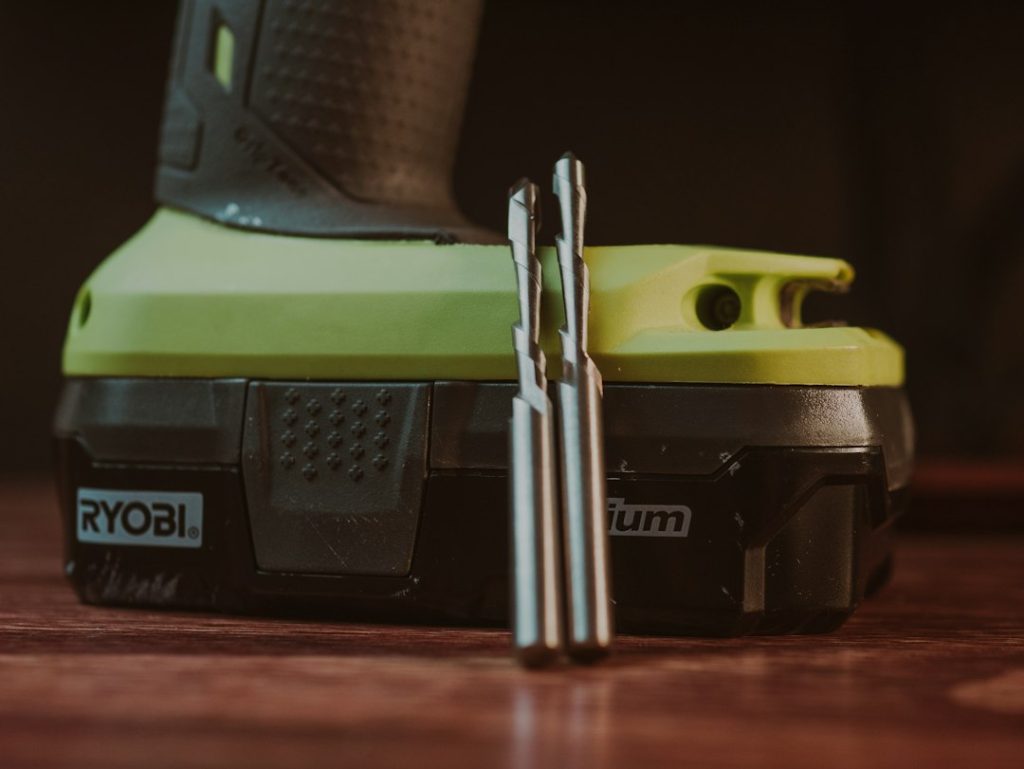
Nail Range: 18-gauge brad nails (typically 5/8″ to 2″)
Power Source: Cordless (battery operated)
The Ryobi 18V ONE+ Cordless Brad Nailer: First Impressions & Key Features
The Ryobi 18V ONE+ Cordless Brad Nailer enters a crowded market, promising the convenience of cordless operation powered by its ubiquitous 18V ONE+ battery system. For DIY enthusiasts and homeowners, the allure is clear: freedom from air hoses and compressors, coupled with the Ryobi ecosystem’s affordability and widespread battery compatibility. However, the question often boils down to performance, particularly concerning a frequently cited issue: jamming. This review dissects its capabilities, addresses the jamming phenomenon head-on, and positions it within the competitive landscape as of 2026.
Unboxing and What’s Included
Typically, purchasing the Ryobi 18V ONE+ Cordless Brad Nailer means unboxing the tool itself, often accompanied by a sample pack of brad nails to get you started. Depending on the kit configuration, you might also find a belt clip and an instruction manual. Crucially, batteries and a charger are usually sold separately, which is standard for Ryobi’s ONE+ line, allowing users to leverage existing batteries if they’re already invested in the platform. This strategy keeps the initial tool cost down but requires an additional investment if you’re new to the system.

Core Specifications and Design
This brad nailer is designed for 18-gauge brad nails, a common size for trim work, decorative projects, and light assembly. Its cordless nature means it houses the motor, air mechanism, and battery all within a single unit, contributing to its overall weight and form factor. Ryobi tools often strike a balance between functionality and approachable ergonomics, and this nailer is no exception. Features like an LED work light, tool-free depth adjustment, and a simple jam release mechanism are standard. The housing is typically constructed from durable Ryobi-branded green plastic, with rubberized grips in key areas for improved handling.
Power Source: The 18V ONE+ Battery System
The cornerstone of this tool’s appeal is its integration with the Ryobi 18V ONE+ battery system. This platform is vast, encompassing hundreds of tools, meaning users can often share batteries across a wide range of DIY, home maintenance, and even lifestyle products. For existing Ryobi 18V ONE+ users, this is a significant advantage, eliminating the need for proprietary batteries. The battery voltage dictates the tool’s power output, and the 18V system provides adequate performance for brad nailing tasks, though higher voltage systems might offer more sustained power for heavier applications. Battery capacity (measured in Ah) will directly influence runtime, with larger Ah batteries providing more nail-driving cycles per charge.
Performance Testing: Driving Nails and Tackling Common Materials
Evaluating a brad nailer isn’t just about firing nails; it’s about consistency, power, and how it handles real-world materials and situations. Our assessment focuses on how well the Ryobi 18V ONE+ performs across various common woodworking tasks, with a particular emphasis on its reliability and user experience.
Nail Driving Power: Depth and Consistency Across Wood Types
In tests with standard pine and poplar, the Ryobi 18V ONE+ generally drives 18-gauge brad nails flush, especially when set to the appropriate depth. The tool-free depth adjustment dial is a convenient feature, allowing for quick changes without needing additional tools. However, driving into harder woods like oak or maple can present challenges. While it can often sink nails sufficiently, it may require setting the depth to maximum, and even then, occasional proud nails can occur. The consistency is good on softer materials, but users should be prepared for a slight learning curve and potential adjustments when switching to denser woods. The mechanism relies on a compact air cylinder, which, while sufficient for brads, doesn’t possess the raw power of pneumatic or higher-voltage cordless systems for difficult materials.

Jamming Incidents: Real-World Scenarios and Frequency
Jamming is the elephant in the room for many Ryobi 18V ONE+ Brad Nailer reviews. In practical use, across various common DIY scenarios – attaching baseboards, installing decorative trim, or assembling simple wooden frames – jams do occur. The frequency can vary significantly based on nail quality, magazine loading technique, and the type of wood being fastened. Often, jams happen when a nail fails to feed correctly or buckles upon impact. While Ryobi includes a tool-free jam release, clearing a jam can still interrupt workflow. It’s not an uncommon occurrence, and users should anticipate it as a potential part of the operation, especially when pushing the tool’s limits or using lower-quality fasteners. Some users report more frequent issues with specific nail brands or when firing rapidly.
Battery Life and Reload Speed
Battery life is largely dependent on the installed battery’s capacity. With a standard 2.0Ah battery, users can expect to drive several hundred nails on a single charge, which is generally sufficient for most DIY projects. For larger jobs, having a spare charged battery is advisable. Reloading the magazine is a straightforward process, involving sliding back the spring-loaded pusher and inserting a strip of brad nails. The capacity is typically around 100-110 nails, a standard amount for this class of tool. The speed of reloading is comparable to other cordless brad nailers, requiring a few seconds to replenish the supply.
Ergonomics and User Comfort During Extended Use
The Ryobi 18V ONE+ Brad Nailer is reasonably comfortable to hold and operate for moderate periods. Its weight, while noticeable due to the integrated battery, is balanced well enough for most users. The rubberized grip enhances handling, reducing slippage. However, for prolonged tasks, the vibration and weight can contribute to user fatigue. The trigger mechanism is generally responsive, though some users have noted a slight delay between trigger pull and nail firing. The LED work light is a useful addition for illuminating the work area, especially in dimly lit spaces.

Addressing the “Jamming Verdict”: Deep Dive into Common Issues
The recurring theme in discussions about this tool is its propensity for jamming. Understanding the causes and solutions is crucial for anyone considering a purchase.
Analyzing Ryobi 18V ONE+ Brad Nailer Jamming Causes
Several factors contribute to jams:
* Nail Quality: Using inconsistent or poorly manufactured nails is a primary culprit. Bent or misaligned nails often lead to jams.
* Magazine Loading: Improperly seating nails in the magazine can cause them to misfeed. Ensure nails are fully seated against the back and aligned correctly.
* Depth Setting: While depth adjustment is present, setting it too high for the material can cause nails to buckle or not drive fully, leading to jams.
* Firing Angle: Hitting wood at an extreme angle can sometimes cause the nail to deflect and jam.
* Tool Mechanism Wear: Over time, internal components can wear, potentially affecting the feeding mechanism’s precision.
* Battery Level: In some cases, a significantly depleted battery might not provide enough consistent power to drive nails fully, increasing the chance of a jam.
Solutions and Preventive Measures for Nail Jams
Mitigating jams involves a proactive approach:
- Use High-Quality Nails: Invest in reputable brands of 18-gauge brad nails.
- Load Carefully: Double-check that nails are seated correctly and uniformly in the magazine.
- Experiment with Depth: Find the optimal depth setting for your material. Start with a lower setting and increase as needed.
- Maintain Tool Cleanliness: Keep the magazine and firing mechanism free of debris.
- Clear Jams Promptly: Utilize the tool-free release mechanism immediately when a jam occurs.
- Ensure Adequate Battery Power: Use a sufficiently charged battery.
User Feedback on Jamming: A Comparative Analysis
Across various user forums and reviews, the sentiment regarding jams is consistent: it’s a known issue. While many users find the tool adequate for occasional DIY tasks, those requiring high volume or professional-level reliability often express frustration. Compared to higher-end pneumatic nailers or even some premium cordless competitors, the Ryobi’s jam frequency can be higher. However, when considering its price point and the convenience of the ONE+ system, many users find the trade-off acceptable, provided they manage their expectations and employ the preventive measures.
👍 Pros
- Affordable entry into cordless brad nailing.
- Leverages the extensive Ryobi 18V ONE+ battery platform.
- Tool-free depth adjustment and jam release.
- LED work light for improved visibility.
- Lightweight and relatively compact for a cordless tool.
👎 Cons
- Prone to jamming, especially with harder woods or lower-quality nails.
- May lack consistent power for dense materials.
- Batteries and charger typically sold separately.
- Not ideal for heavy-duty or daily professional use due to jam frequency.
Ryobi 18V ONE+ vs. Competitors: A 2026 Comparison
In the 2026 market, the cordless brad nailer segment is robust. Ryobi occupies a specific niche, focusing on accessibility and platform synergy, often competing against brands like DeWalt, Milwaukee, Metabo HPT, and Bostitch, many of which offer their own cordless solutions.
Key Differentiators: What Sets Ryobi Apart?
Ryobi’s primary differentiator remains its 18V ONE+ battery system. For homeowners already invested in Ryobi tools, the cost-effectiveness and convenience are undeniable. The tool’s design prioritizes ease of use for the average DIYer over the brute force or specialized features found in professional-grade tools. Its price point is consistently lower than many competitors, making it an attractive option for budget-conscious buyers.
Comparative Performance Against Leading Brands (e.g., DeWalt, Milwaukee)
When stacked against brands like DeWalt or Milwaukee, the Ryobi 18V ONE+ typically falls short in raw power and jam resistance. These premium brands often utilize more advanced motor technology, superior internal mechanisms, or higher voltage systems (like 20V MAX or even higher) that provide more consistent driving power into various wood species and exhibit fewer feeding issues. While those tools come at a higher price point, they generally offer a more reliable and robust performance profile suitable for more demanding applications and professionals.

Value Proposition: Price Point and Overall ROI
The Ryobi 18V ONE+ offers a strong value proposition for the casual DIYer. The initial tool cost is low, and if batteries are already owned, the investment is minimal. The return on investment (ROI) is high for users who need a brad nailer for occasional projects like picture hanging, minor trim repairs, or craft projects. However, for users who require a tool for daily or heavy-duty tasks, the potential frustration from jams and the possibly shorter lifespan under intense use might diminish the perceived value compared to a more expensive, reliable alternative. The ROI shifts depending on the user’s frequency and intensity of use.
Who is the Ryobi 18V ONE+ Cordless Brad Nailer For?
Understanding the intended user is key to determining if this tool is the right fit.
Ideal Use Cases: Trim Work, DIY Projects, and More
This nailer excels in light-duty applications. It’s well-suited for installing decorative molding, baseboards, attaching paneling, or completing various DIY crafts and home décor projects. Its cordless nature makes it convenient for working in areas without power access or for quick touch-ups around the house. Tasks that require a few dozen nails here and there, rather than thousands, are where it performs best.
Considerations for Professional vs. DIY Users
For professional contractors, the Ryobi 18V ONE+ Cordless Brad Nailer is generally not recommended as a primary tool. The potential for jams can disrupt job timelines and impact efficiency. While it might serve as a backup or for very occasional light trim work on a job site, its reliability doesn’t typically meet the demands of daily professional use. DIYers, homeowners, and hobbyists, on the other hand, will likely find it a useful and cost-effective addition to their toolkit, provided they are aware of its limitations and manage expectations regarding jam frequency.
Verified specifications indicate the use of 18-gauge brad nails up to 2 inches in length. Power is delivered via the Ryobi 18V ONE+ battery system, with runtime directly correlating to battery Ah capacity. User consensus highlights a notable frequency of jams, particularly when using lower-quality fasteners or driving into denser hardwoods. While a tool-free jam release is present, clearing jams can interrupt workflow. Depth adjustment is generally effective on softer woods like pine and poplar but may struggle for consistent flush drives in oak or maple without maximum setting. Ergonomics are acceptable for occasional use, but extended periods may lead to fatigue. The tool’s value proposition is strongest for budget-conscious DIY users with existing Ryobi 18V ONE+ batteries.
The Final Verdict: Is the Ryobi 18V ONE+ Worth It in 2026?
As of 2026, the Ryobi 18V ONE+ Cordless Brad Nailer remains a tool with a clear audience and a significant caveat.
Summarizing Pros and Cons
The primary advantage is affordability and integration with the vast Ryobi 18V ONE+ battery ecosystem, making it an accessible cordless option. Its convenience for light tasks is undeniable. However, the persistent issue of jamming, especially under moderate to heavy use or with less-than-ideal conditions, is a major drawback that cannot be overlooked. Performance in harder woods is also a limitation.
Our Definitive Recommendation on Jamming and Performance
The Ryobi 18V ONE+ Cordless Brad Nailer is a viable purchase for the dedicated DIYer or homeowner who needs a brad nailer for occasional, light-duty projects and already owns Ryobi 18V ONE+ batteries. Its low entry cost and convenience are its strong suits. However, if your work involves frequent trim installation, daily use, or consistent driving into various wood types, or if time is critical, investing in a more robust and reliable cordless brad nailer from a premium brand is strongly recommended. Be prepared for potential jams and factor in the cost of quality nails and spare batteries to maximize its utility. It’s a tool that can get the job done, but it demands patience and a mindful approach to operation.