
Silicone vs Acrylic Latex Caulk for Bathtub: Moisture Resistance Showdown 2026
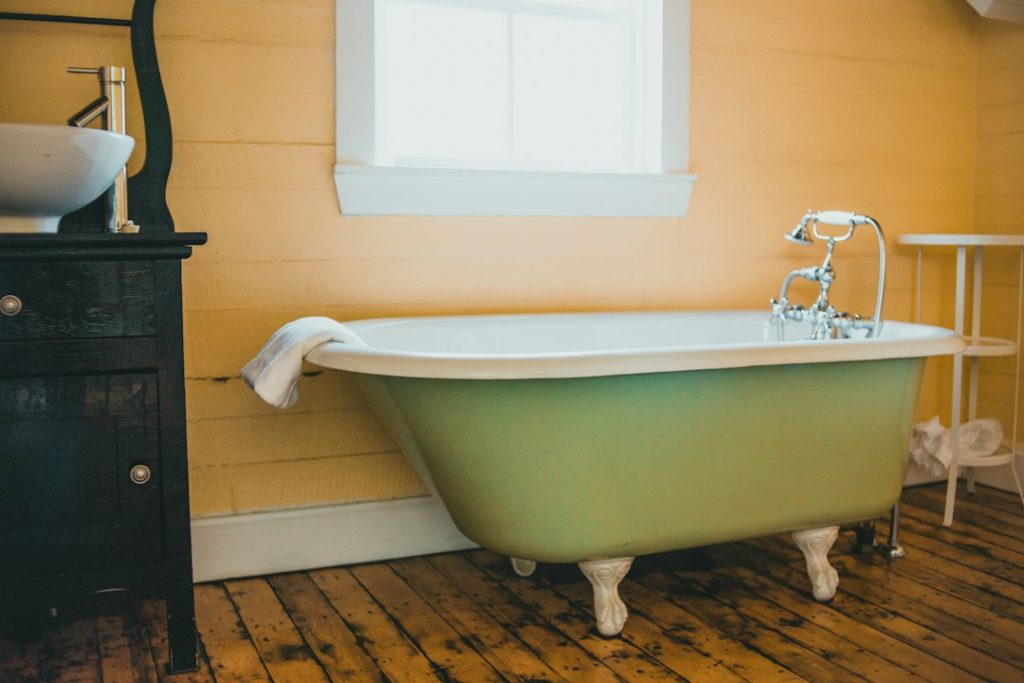
The battle for superior bathtub sealing often comes down to a showdown between two dominant forces: silicone caulk and acrylic latex caulk. Both promise to protect your bathroom from water damage, but their approaches, performance characteristics, and ease of use differ significantly. For homeowners and DIYers tackling bathtub sealing, understanding these distinctions is crucial for achieving a durable, mold-free, and aesthetically pleasing result. This deep dive dissects each type, pits them head-to-head, and offers expert recommendations to guide your choice in 2026.
Understanding Caulk: The Foundation of Bathtub Sealing
What is Caulk and Why is it Crucial for Bathrooms?
Caulk is a pliable, sealant material used to fill gaps and cracks between different surfaces. In bathrooms, its primary role is to create a watertight barrier, preventing moisture from seeping into vulnerable areas like the joint between your bathtub and the surrounding tile or wall. Without a proper caulk seal, water can penetrate subflooring, drywall, and even structural elements, leading to costly damage, mold growth, and compromised air quality. A well-caulked bathtub is fundamental to bathroom longevity and hygiene.
Key Properties to Look for in Bathtub Caulk
When selecting caulk for a bathtub, several properties are paramount:
- Moisture Resistance: The ability to repel water and resist absorption is critical in a high-humidity environment.
- Mold and Mildew Resistance: Look for caulks that contain mildewcides to inhibit the growth of unsightly and unhealthy mold.
- Flexibility: Bathtubs and surrounding materials can expand and contract with temperature changes. The caulk must remain flexible to prevent cracking and maintain a seal.
- Adhesion: Strong adherence to various bathroom surfaces (tile, porcelain, fiberglass, acrylic, stone) is essential for a long-lasting seal.
- Durability: The caulk should withstand constant exposure to water, cleaning agents, and daily use without degrading.
- Ease of Application and Cleanup: For DIYers, a caulk that is easy to apply smoothly and simple to clean up spills or mistakes significantly improves the user experience.
- Paintability: If you plan to paint the surrounding trim or walls, ensuring the caulk can be painted over is a key consideration.

Silicone Caulk: The Moisture-Resistant Heavyweight
Deep Dive: How Silicone Caulk Handles Moisture and Mildew
Pure silicone caulk is renowned for its exceptional water-repellent properties. Its non-porous molecular structure makes it incredibly difficult for water to penetrate. This inherent resistance means it’s less likely to degrade when constantly exposed to water, making it a prime choice for areas like bathtub edges and shower surrounds. Most high-quality silicone caulks formulated for bathrooms also include robust mildewcides, actively fighting the growth of mold and mildew. This dual action provides a formidable barrier against moisture-related issues.
Performance Review: Adhesion, Flexibility, and Durability of Silicone
Silicone caulk generally offers excellent adhesion to a wide range of non-porous surfaces commonly found in bathrooms, such as glass, tile, porcelain, and metal. Its primary strength lies in its superior flexibility. Silicone remains pliable even under significant temperature fluctuations and movement, making it highly resistant to cracking or pulling away from surfaces. This flexibility translates directly into long-term durability; a properly applied silicone seal can last for many years, often a decade or more, maintaining its integrity against daily wear and tear.
Application Challenges and Best Practices for Silicone Caulk
While its performance is top-tier, silicone caulk is notoriously more challenging to apply than acrylic latex. Its strong adhesion means that once applied, it’s difficult to remove mistakes. Cleanup requires mineral spirits or specialized silicone removers. For best results:
- Ensure surfaces are impeccably clean, dry, and free of old caulk or debris.
- Use painter’s tape to create clean, straight lines.
- Apply a consistent bead of caulk, avoiding gaps or thick spots.
- Smooth the bead immediately with a caulk tool or a wet finger (use gloves!).
- Remove tape immediately after smoothing.
- Work in small sections, as silicone begins to skin over relatively quickly.
Due to its difficulty in removal and painting, silicone is often best suited for areas where its performance is absolutely critical and aesthetic touch-ups aren’t a frequent concern.
Top Silicone Caulk Brands for Bathtubs: A Performance Breakdown
Several brands stand out for their high-performance silicone caulks:
- GE Advanced Silicone Kitchen & Bath Sealant: Often cited for its excellent adhesion, flexibility, and long-term mold/mildew resistance. It’s a go-to for many professionals.
- Loctite Clear Silicone Waterproof Sealant: Known for its superior waterproofing capabilities and durability, though some users note it can be trickier to smooth perfectly.
- Red Devil 0755 Silicone Caulk: A more budget-friendly option that still offers good water resistance and flexibility, though its mildew resistance might not be as potent as premium options.

Acrylic Latex Caulk: The Versatile, Easy-to-Use Option
Deep Dive: How Acrylic Latex Caulk Fights Moisture and Prevents Mold
Acrylic latex caulks, also known as vinyl acrylics, have significantly improved over the years. While not as inherently waterproof as pure silicone, modern formulations designed for kitchens and bathrooms contain advanced binders and additives that enhance their moisture resistance. Crucially, they almost always include effective mildewcides. They form a flexible, paintable seal that can effectively prevent water ingress when applied correctly. However, they are more susceptible to degradation over time in constantly wet environments compared to silicone.
Performance Review: Adhesion, Flexibility, and Durability of Acrylic Latex
Acrylic latex caulks generally exhibit excellent adhesion to a broad range of surfaces, including porous materials like wood and drywall, in addition to tile and porcelain. They offer good flexibility, sufficient for most bathtub applications where extreme joint movement isn’t expected. Their durability is respectable, typically lasting 5-10 years depending on the specific product and environmental conditions. The key advantage here is their ease of use and cleanup, making them a favorite among DIY enthusiasts.
Application Benefits and Ease of Use with Acrylic Latex Caulk
The DIY-friendliness of acrylic latex caulk is its standout feature. It’s much easier to apply smoothly, and any mistakes or excess caulk can be wiped away with a damp cloth before it dries. This significantly reduces the stress and potential for error associated with caulking projects. Furthermore, most acrylic latex caulks are paintable, allowing homeowners to seamlessly integrate the caulked seam with surrounding painted surfaces for a cleaner, more cohesive look.
Top Acrylic Latex Caulk Brands for Bathtubs: A Performance Breakdown
Several acrylic latex caulks are well-regarded for bathroom use:
- DAP Alex Plus All-Purpose Caulk: A long-standing favorite for its ease of use, paintability, and good adhesion. It offers decent moisture and mildew resistance for general bathroom tasks.
- Sashco Big Stretch Caulk: Marketed for its exceptional flexibility and crack-resistance, making it suitable for joints expected to move. It adheres well and offers good moisture protection.
- 3M High Performance Sealant 1223: Offers a good balance of adhesion, flexibility, and moisture resistance, often considered a step up from basic acrylics while retaining ease of use.

The Direct Showdown: Silicone vs. Acrylic Latex for Bathtubs
Head-to-Head: Moisture Resistance and Mold Prevention in High-Humidity Zones
In the relentless battle against bathroom humidity, silicone caulk holds a distinct advantage. Its non-porous nature inherently repels water far better than acrylic latex. While acrylic latex caulks have improved, silicone’s molecular structure offers superior long-term protection against water ingress and the conditions that foster mold and mildew growth. Both types typically contain mildewcides, but silicone’s resistance to moisture degradation means the protection is likely to last longer in persistently damp conditions.
Flexibility and Crack Resistance: Which Holds Up Better to Expansion/Contraction?
Silicone caulk is the clear winner in flexibility. It can stretch and compress significantly without losing its seal or cracking, making it ideal for joints that experience substantial temperature-induced expansion and contraction, such as between a tub and tile surround that heats up and cools down. Acrylic latex caulks offer good flexibility, but they are more prone to cracking over time in dynamic environments compared to silicone’s robust elasticity.
Adhesion to Different Surfaces: Tile, Fiberglass, Porcelain, and More
Both types generally adhere well to common bathroom surfaces. Silicone excels on non-porous materials like glass, glazed tile, porcelain, and metal. Acrylic latex often has an edge on porous surfaces like unsealed tile, grout, wood, and drywall, though it also adheres well to non-porous surfaces. For most bathtub applications involving standard tile and porcelain, both will provide a strong bond, but ensuring surfaces are properly prepped is key for either.
Ease of Application and Cleanup: A DIYer’s Perspective
This is where acrylic latex caulk shines. It’s significantly easier to apply smoothly, control the bead, and clean up mistakes with just water and a cloth. Silicone caulk requires more precision, patience, and specialized cleanup materials (mineral spirits). For beginners or those prioritizing a quick, hassle-free project, acrylic latex is the preferred choice.
Longevity and Durability: Long-Term Performance Comparison
When considering longevity, silicone caulk typically outlasts acrylic latex, especially in high-moisture areas. A well-applied silicone seal can credibly last 10-15 years or more, maintaining its waterproof integrity. Acrylic latex caulks generally have a lifespan of 5-10 years before they might start to shrink, crack, or degrade, requiring replacement.
Cost-Effectiveness: Initial Price vs. Lifespan
While silicone caulk often has a slightly higher upfront cost per tube, its extended lifespan and superior performance in wet environments can make it more cost-effective in the long run. Replacing caulk is a labor-intensive task. Choosing silicone can mean fewer replacements over the years. Acrylic latex caulks are generally less expensive per tube, making them attractive for budget-conscious projects, especially if periodic replacement is acceptable.
| Feature | Silicone Caulk | Acrylic Latex Caulk |
|---|---|---|
| Moisture Resistance | Excellent (Superior) | Good (Improved) |
| Mold & Mildew Resistance | Excellent (often inherent + additives) | Good (relies heavily on additives) |
| Flexibility | Excellent (High elasticity) | Good (Moderate elasticity) |
| Adhesion (Non-Porous) | Excellent | Very Good |
| Adhesion (Porous) | Fair to Good | Excellent |
| Ease of Application | Difficult | Easy |
| Cleanup | Requires Solvents (Mineral Spirits) | Water & Soap (Before Curing) |
| Paintability | No (Generally) | Yes |
| Lifespan | 10-15+ Years | 5-10 Years |
| Typical Cost Per Tube | $7 – $15 | $5 – $10 |

Expert Recommendations: Choosing the Right Caulk for Your Bathtub Project
When to Choose Silicone for Ultimate Moisture Protection
Opt for pure silicone caulk when:
- Your primary concern is maximum water resistance and longevity.
- The bathtub area experiences prolonged exposure to water (e.g., showers, areas with poor ventilation).
- You need the highest level of mold and mildew prevention.
- You are sealing joints between non-porous materials like glass, metal, or glazed tile.
- You prioritize a seal that won’t crack or pull away due to temperature fluctuations.
- You don’t plan on painting over the caulk.
Best for: Bathtub-shower combos, areas prone to heavy moisture, demanding professional applications.
When Acrylic Latex Offers the Best Balance of Performance and Ease
Choose acrylic latex caulk when:
- Ease of application and cleanup are high priorities (especially for DIYers).
- You need to paint over the caulk to match surrounding surfaces.
- The bathroom has good ventilation, and moisture is not a constant, extreme issue.
- You are sealing joints involving porous materials like wood trim or unglazed tile.
- A lifespan of 5-10 years is acceptable.
Best for: Standard bathtub sealing in well-ventilated bathrooms, DIY projects where ease of use is paramount, painted trim around tubs.
Common Mistakes to Avoid in Bathtub Caulking (and How to Fix Them)
Regardless of the type of caulk chosen, several common mistakes can undermine your efforts:
- Inadequate Surface Preparation: Old caulk, soap scum, dirt, or moisture prevent proper adhesion. Fix: Thoroughly remove all old caulk, clean the area meticulously with a degreaser, and ensure it’s bone dry before applying new caulk.
- Applying Too Much Caulk: Over-application leads to messy beads that are difficult to smooth and can look unprofessional. Fix: Apply a consistent, thin bead. Use a caulk gun with a trigger for better control.
- Poor Smoothing Technique: An uneven or rough bead doesn’t just look bad; it can create channels for water. Fix: Use a caulk smoothing tool or a gloved finger dipped in a mild soap solution (for acrylic latex) or a specific silicone smoothing tool. Work in long, fluid strokes.
- Not Removing Tape Promptly: Leaving painter’s tape on too long can result in jagged edges when removed. Fix: Remove tape immediately after smoothing the caulk bead, pulling it away at a 45-degree angle.
- Using the Wrong Caulk Type: Applying a paintable acrylic latex in a constantly wet shower stall where only silicone should be used. Fix: Always select a caulk specifically formulated for kitchen and bath use, and consider the moisture levels of the specific application area.
Frequently Asked Questions: Your Bathtub Caulking Queries Answered (2026)
How long does silicone caulk last around a bathtub?
A high-quality silicone caulk, properly applied in a well-maintained bathroom, can last anywhere from 10 to 15 years, and sometimes even longer. Its inherent resistance to moisture and degradation contributes to this extended lifespan.
Can acrylic latex caulk be used in a very humid bathroom?
Yes, modern kitchen and bath acrylic latex caulks can be used in humid bathrooms, especially if they have good ventilation. They contain mildewcides and improved moisture resistance. However, for consistently high-moisture areas or shower stalls, pure silicone caulk generally offers superior long-term protection and durability.
What’s the best caulk for preventing mold and mildew on tubs?
Both high-quality silicone and acrylic latex caulks designed for kitchen and bath applications contain mildewcides. However, silicone caulk is generally considered superior for preventing mold and mildew in the long run due to its inherent resistance to moisture absorption, which is the primary condition mold needs to thrive.
Is silicone caulk hard to apply for beginners?
Yes, silicone caulk is generally considered harder to apply for beginners than acrylic latex caulk. It adheres very strongly, making mistakes difficult to correct. It also tends to cure faster, requiring more precise and rapid application and smoothing. Cleanup also requires solvents.
Can I paint over acrylic latex caulk?
Yes, most acrylic latex caulks are specifically designed to be paintable. This is one of their key advantages over silicone caulk, which typically cannot be painted over without special primers and often still results in a poor finish.
👑 Ultimate Winner: Silicone Caulk (for Critical Sealing)
For the demanding environment of bathtub sealing, where moisture resistance and longevity are paramount, silicone caulk emerges as the superior choice in 2026. Its unparalleled ability to repel water, resist mold and mildew, and maintain flexibility over decades makes it the professional’s go-to for critical joints. While acrylic latex caulks offer excellent ease of use and paintability, making them suitable for less demanding DIY tasks, silicone provides the ultimate peace of mind against water damage and the need for frequent re-caulking in high-moisture zones. Choose silicone for unparalleled protection; choose acrylic latex for convenience where moisture is less of a threat.