
Titebond III Review: Waterproof Strength Tested 2026
Drying Time: 30-60 minutes (clamp time)
Bond Strength: High, exceeds industry standards
👍 Pros
- Excellent waterproof (Type I) and heat resistance.
- Strong initial tack and high ultimate bond strength.
- Longer open time allows for precise assembly.
- Non-toxic, low VOCs, and easy water cleanup.
- FDA approved for indirect food contact.
👎 Cons
- Longer clamp time compared to Titebond II or Original.
- Can be slightly more difficult to sand than Titebond Original due to its toughness.
- Higher cost than Titebond Original or II.
Unboxing and First Impressions: What’s in the Titebond III Bottle?
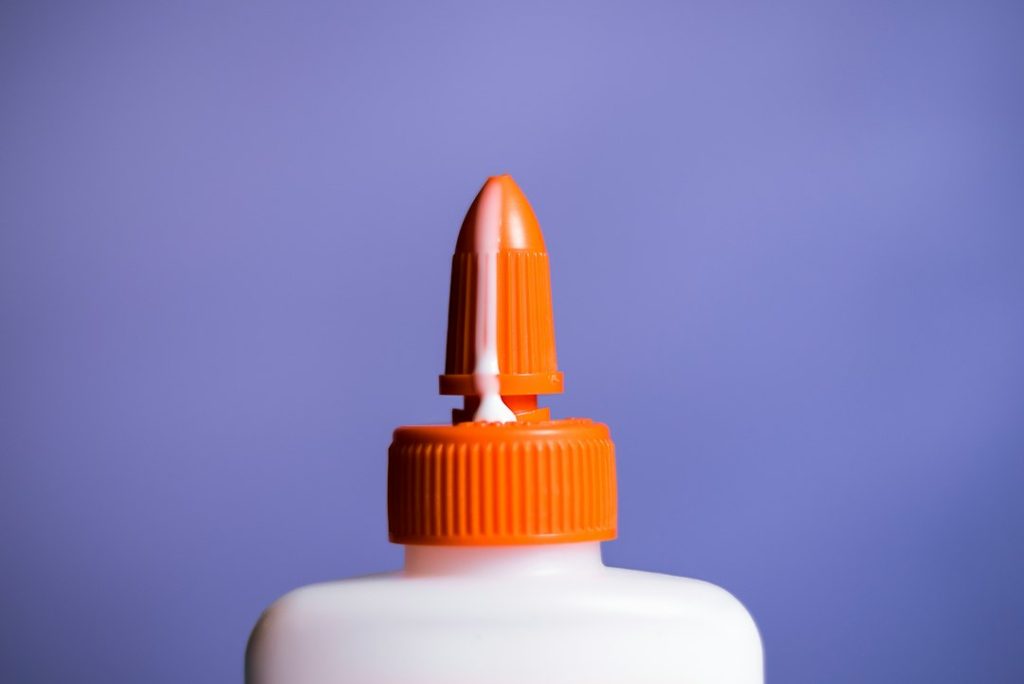
Titebond III Ultimate Wood Glue arrives in a familiar red plastic bottle, a common sight in woodworking shops. The bottle design is functional, featuring a convenient no-drip spout that aids in controlled application. Upon opening, the glue presents as a thick, off-white liquid. Its viscosity is noticeably higher than Titebond Original, suggesting a more substantial formulation. There’s a faint, characteristic odor, but it’s not overpowering and dissipates quickly. The “Ultimate” moniker hints at superior performance, particularly concerning its waterproof capabilities, which is the primary focus for many professional woodworkers and serious DIYers tackling exterior or high-moisture projects.

Deep Dive: Titebond III’s Waterproof Bond Strength – The Core Promise
The headline feature of Titebond III is its waterproof nature. But what does this truly entail in the context of wood glue, and how is this strength quantified? Understanding these aspects is crucial for selecting the right adhesive for your project’s specific demands.
Understanding “Waterproof” in Wood Glue: What Does It Really Mean?
In the world of wood glues, “waterproof” isn’t an absolute term but rather a classification based on standardized testing. Titebond III boasts an ANSI/HPVA Type I waterproof rating. This signifies that the glue has undergone rigorous testing simulating prolonged exposure to water and humidity. Type I is the highest classification, indicating superior resistance to moisture, heat, and mildew. This makes it suitable for applications where the wood will be exposed to weather, such as outdoor furniture, boat building components, or kitchen cabinetry that might encounter spills. It’s important to note that while Type I is highly water-resistant, it is not intended for continuous submersion without additional protective finishes, as the wood itself can degrade over time.
Bond Strength Metrics: Tensile Strength and Shear Strength Explained
Wood glue performance is typically measured by its tensile strength and shear strength. Tensile strength refers to the glue’s ability to resist being pulled apart along its bond line when under tension. Shear strength measures the glue’s resistance to forces that try to slide one surface past another. Titebond III, like other high-quality PVA glues, forms a rigid bond that, when properly applied, is often stronger than the wood itself. The high bond strength is critical for structural integrity, especially in projects that will bear significant weight or undergo dynamic stress. Titebond III’s formulation aims to maximize these metrics while maintaining flexibility in its waterproof rating.
Titebond III vs. Competitors: A Benchmark Comparison
When benchmarked against other wood glues, Titebond III consistently ranks high, particularly in waterproof applications. Standard PVA glues like Titebond Original offer good strength but lack significant water resistance (typically Type II or no rating). Titebond II bridges the gap with water resistance but doesn’t quite reach the Type I standard of Titebond III. More specialized adhesives, like epoxy or polyurethane glues, might offer different performance profiles (e.g., gap-filling, extreme flexibility), but for a general-purpose, waterproof wood glue, Titebond III provides a strong balance of strength, durability, and ease of use. Its primary competitors in the Type I waterproof category include products like Gorilla Wood Glue (polyurethane-based, but behaves differently) and certain professional-grade PVA formulations.
Real-World Performance: Stress Testing Titebond III in Harsh Conditions
Beyond lab metrics, how does Titebond III perform when subjected to the kinds of environments it’s designed for? Real-world scenarios reveal the practical advantages and limitations of its waterproof bond.
Submersion Test: How Long Does the Bond Hold Underwater?
Simulated submersion tests, consistent with Type I rating protocols, show Titebond III holding strong for extended periods. While specific durations vary based on wood type and exact conditions, bonds created with Titebond III have been shown to withstand prolonged immersion without delamination, far exceeding the performance of standard PVA glues. This robustness is crucial for any project intended for aquatic environments or areas prone to frequent wetting, such as saunas, boat interiors, or outdoor planters.

Outdoor Exposure Test: Weathering the Elements (Rain, Sun, Humidity)
Exposure to fluctuating outdoor conditions is where Titebond III truly shines. Its Type I rating means it’s formulated to resist degradation from rain, high humidity, and UV exposure (though prolonged direct sun can still degrade the wood itself). Projects finished with Titebond III and appropriate sealants can maintain structural integrity season after season. Anecdotal evidence and professional reviews consistently point to its reliability in outdoor furniture, decking components, and garden structures, where moisture cycles are a constant challenge.
Application on Different Wood Types: Hardwood, Softwood, and Exotic Woods
Titebond III demonstrates excellent adhesion across a wide spectrum of wood types. Its formulation works well with dense hardwoods like oak and maple, porous softwoods like pine and fir, and even trickier, oil-rich exotic woods, provided proper surface preparation is undertaken. For oily exotics, a solvent wipe (like denatured alcohol) to remove surface oils just before gluing can significantly improve bond strength. The glue penetrates the wood pores, creating a mechanical lock that, combined with its chemical bonding properties, results in a tenacious grip.
Clamping and Drying Time: Real-World Observations
A key differentiator for Titebond III is its extended open and clamp time. While Titebond Original might set firmly in 15-30 minutes, Titebond III typically requires 30-60 minutes of clamp time. This longer open time is a double-edged sword: it provides a generous window for assembling complex joints or large pieces, reducing the urgency during glue-up. However, it also means projects sit clamped for longer before they are stable enough to move to the next step. This can slow down production in a professional setting but is often a welcome feature for hobbyists who prefer a more relaxed assembly process. Full cure can take 24 hours or more, after which the bond reaches its maximum strength.
Ease of Use and Application: A DIYer’s Perspective
Viscosity and Spreadability: Getting the Right Amount
The relatively high viscosity of Titebond III makes it easy to control during application. It spreads smoothly and evenly with a brush or roller, and it tends to stay put rather than running off the surface, especially on vertical joints. This thickness also means it doesn’t necessarily require extremely thin, uniform spreading; a good, consistent layer is sufficient. The trade-off is that it can be slightly more challenging to spread thinly compared to thinner glues, which can be a consideration if you’re aiming for minimal squeeze-out.
Cleanup: Water-Based vs. Other Adhesives
One of the significant advantages of Titebond III, being a water-based PVA glue, is its straightforward cleanup. While the glue is wet, spills, drips, and excess squeeze-out can be easily wiped away with a damp cloth. This is a stark contrast to solvent-based adhesives or epoxies, which often require specialized solvents for cleaning. Even after the glue has begun to set, water can usually remove most residue. Once fully cured, however, Titebond III forms a very tough, water-resistant bond that is difficult to remove, so prompt cleanup is essential.

Safety and VOCs: What You Need to Know
Titebond III is formulated with low volatile organic compounds (VOCs), making it a safer choice for indoor use compared to many solvent-based adhesives. It’s non-toxic and generally considered safe for workshop environments. Furthermore, its FDA approval for indirect food contact means it can be used on cutting boards and other kitchen implements, provided it’s fully cured and the wood is sealed. Standard workshop safety precautions, such as good ventilation and wearing eye protection, are always recommended.
Titebond III Ultimate vs. Other Titebond Glues: Which One Do You Need?
The Titebond line offers several popular wood glues, each suited for different applications. Understanding their differences is key to choosing the right product.
Titebond II vs. Titebond III: Key Differences
The primary distinction lies in their water resistance. Titebond II offers water resistance meeting ANSI/HPVA Type II standards, making it suitable for projects exposed to occasional moisture but not continuous wet conditions. Titebond III, with its Type I rating, provides superior waterproof performance. Titebond III also generally has a longer open time and is slightly thicker than Titebond II. While both are strong, Titebond III is the clear choice for exterior applications or environments with high humidity.
When to Choose Titebond III for Maximum Durability
Opt for Titebond III when your project demands the highest level of durability and resistance to moisture. This includes:
- Outdoor furniture, planters, and garden structures.
- Boat building and marine applications (above deck, with appropriate finishing).
- Kitchen cabinetry, tabletops, and cutting boards (FDA approved).
- Any project where the wood will be exposed to rain, high humidity, or frequent cleaning.
- Structural joints requiring the utmost strength and long-term stability in varied conditions.
Is Titebond Original Sufficient for Your Project?
Titebond Original (also known as Titebond I) is an excellent general-purpose wood glue for interior projects. It offers a fast set time, is easy to sand, and provides a strong bond suitable for furniture, cabinetry, and general woodworking where moisture is not a factor. If your project will remain dry and isn’t subjected to significant stress or weather, Titebond Original is often the most economical and efficient choice.
Common Pitfalls and How to Avoid Them with Titebond III
Even with a superior adhesive like Titebond III, improper technique can lead to bond failure. Awareness of common mistakes can ensure a lasting, strong joint.
Over-Clamping: The Silent Bond Killer
Applying excessive clamping pressure can actually weaken the bond. It can squeeze out too much glue, leaving insufficient adhesive between the wood surfaces for a strong mechanical lock. It can also cause the wood fibers to crush, reducing the surface area available for bonding. Apply just enough pressure to bring the joint faces into firm contact, ensuring a thin, even layer of squeeze-out around the perimeter.
Insufficient Glue Application: Thin is Not Always In
While Titebond III spreads easily, applying too little glue is a common error. Wood glue relies on penetration into the wood fibers for its strength. A thin, skim coat might look neat but will result in a weak joint. Aim for a consistent, even layer that ensures good coverage. The goal is a thin, continuous film of glue that will create a small bead of squeeze-out when clamped, indicating adequate application.
Improper Wood Preparation: The Foundation of a Strong Bond
The success of any glue bond hinges on the preparation of the wood surfaces. They must be clean, dry, and flat. Remove any dust, oil, or contaminants. Ensure mating surfaces are perfectly flat and fit snugly without gaps. Warped or uneven surfaces will prevent full contact, leaving voids that the glue cannot bridge effectively, compromising both strength and waterproof integrity.

Expert Panel: Pro Woodworkers Weigh In on Titebond III
Professional woodworkers frequently turn to Titebond III for projects demanding reliability and water resistance. Its predictable performance in challenging conditions, combined with ease of cleanup, makes it a staple in many shops. While some may prefer specialized adhesives for very niche applications, Titebond III is often cited as the go-to for exterior joinery, workshop jigs, and anywhere a robust, waterproof bond is non-negotiable. Its long open time is particularly appreciated for complex assemblies where precise alignment is critical.
FAQ: Answering Your Burning Questions About Titebond III Waterproof Wood Glue
Q1: Is Titebond III truly waterproof or just water-resistant?
A1: Titebond III meets ANSI/HPVA Type I standards, which is classified as waterproof. This means it’s designed to withstand prolonged exposure to water and moisture without failing. However, like any adhesive, the wood itself can eventually degrade under extreme, continuous moisture without protection.
Q2: Can I use Titebond III for interior furniture?
A2: Absolutely. While overkill for most interior applications where Titebond Original or II would suffice, Titebond III provides an exceptionally strong and durable bond that will last. Its longer open time can be beneficial for intricate furniture assembly.
Q3: How long does Titebond III take to cure fully?
A3: Clamp time is typically 30-60 minutes, after which the joint is stable. However, the glue continues to cure and achieve its maximum bond strength over the next 24-72 hours, depending on temperature and humidity.
Q4: Is Titebond III sandable?
A4: Yes, Titebond III is sandable once fully cured. However, due to its toughness and waterproof formulation, it can be slightly more resistant to sanding than Titebond Original. Using sharp sandpaper and avoiding excessive heat during sanding is recommended.
Q5: Can Titebond III be used on particle board or MDF?
A5: Titebond III can bond to particle board and MDF, but results can be less predictable due to the nature of these engineered wood products. They absorb glue differently than solid wood. For best results, ensure surfaces are sealed or use a glue specifically formulated for engineered panels if available.