
Washing Machine Deep Clean: How to Eliminate Mold Smells and Detergent Sludge
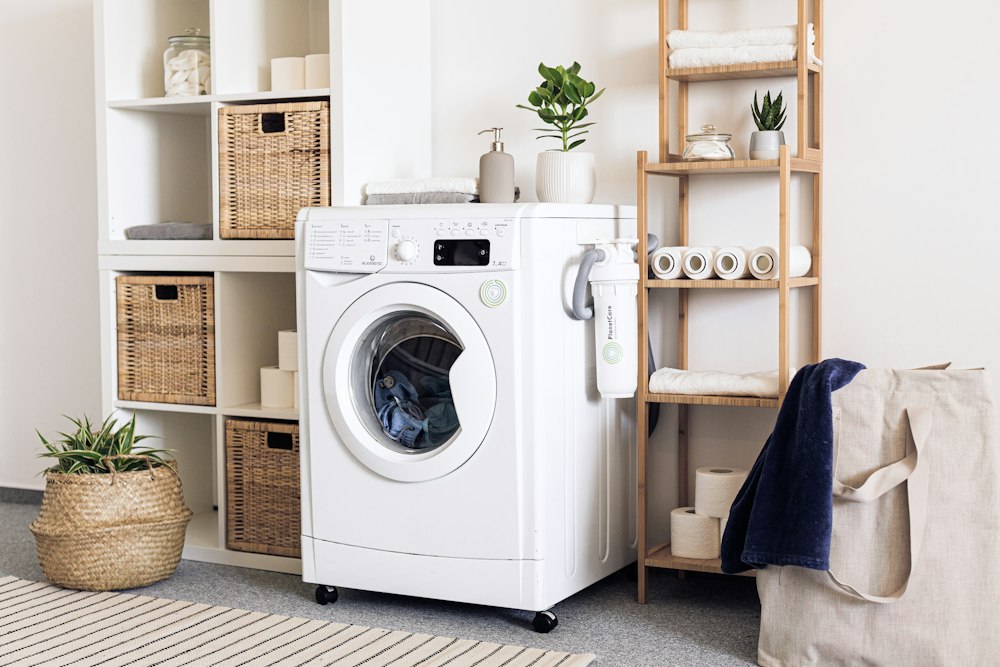
Modern high-efficiency (HE) washing machines use significantly less water and lower wash temperatures than older models. While this saves energy, it creates the ideal humid breeding ground for biofilm—a slimy combination of un-dissolved detergent residue, fabric softener fats, and mold spores that clings to outer tub walls and rubber door seals.
Cleaning Checklist
- Frequency: Once every 30 to 60 days
- Materials: White vinegar (or citric acid powder), baking soda, spray bottle, microfiber cloth, old toothbrush, shallow bowl.
- Root Cause of Machine Odor: Over-dosing liquid detergent (which coats the drum with wax-like film) and keeping the door tightly shut between cycles.
Step 1: Sanitize the Rubber Door Bellows (Front Loaders)
The flexible rubber gasket (boot seal) around the door opening of front-load washers is the prime suspect for bad odors. Pull back the folds of the rubber seal. You will likely find slimy gray residue, trapped coins, and hair pins.
Spray the folds generously with a 50/50 solution of warm water and white vinegar. Scrub the inner crevices with an old toothbrush, then wipe clean with a microfiber cloth until the cloth comes away clean.
Step 2: Clean the Drain Pump Filter (The Coin Trap)
Behind a small access hatch on the bottom front of most front-load washers is the drain pump filter. This filter catches lint, buttons, and pet hair before water enters the drain pump.
- Place a towel and a shallow baking sheet or bowl under the door.
- Unclip the small emergency drain hose, remove the plug, and let standing water drain into the bowl.
- Twist the large round filter knob counter-clockwise and pull it out.
- Rinse the filter thoroughly under hot tap water, scrubbing away slimy lint and debris. Reinstall firmly.
Step 3: Clear the Detergent Dispenser Drawer
Fabric softeners contain animal fat derivatives that solidify into gummy clumps inside the dispenser housing. Press the release tab inside the detergent drawer and pull the entire drawer completely out. Soak it in hot soapy water, scrub the siphon caps, and use a bottle brush to clean the ceiling of the drawer housing inside the machine.
Step 4: The High-Heat Citric Acid / Vinegar Flush
Pour 2 cups of white cleaning vinegar or 1/2 cup of food-grade citric acid powder directly into the empty wash drum. Run the machine on its hottest cycle (Tub Clean or Sanitize cycle with an Extra Rinse option). The mild acid dissolves calcium mineral scale and strips away detergent biofilm from the outer stainless-steel drum.
Secondary Deodorizing Cycle: After the acid cycle completes, sprinkle 1/2 cup of baking soda into the drum and run one short hot cycle. This neutralizes odors and leaves the machine sparkling fresh.
Habit Change: Prevent Odors Forever
The #1 Golden Rule: Never shut the washing machine door completely when not in use! Always leave the door cracked open 2 to 3 inches to allow interior air circulation and moisture evaporation. Doing this alone prevents 95% of future mold growth.