
Wood vs Composite Decking: Rot Resistance & Summer Heat (2026)
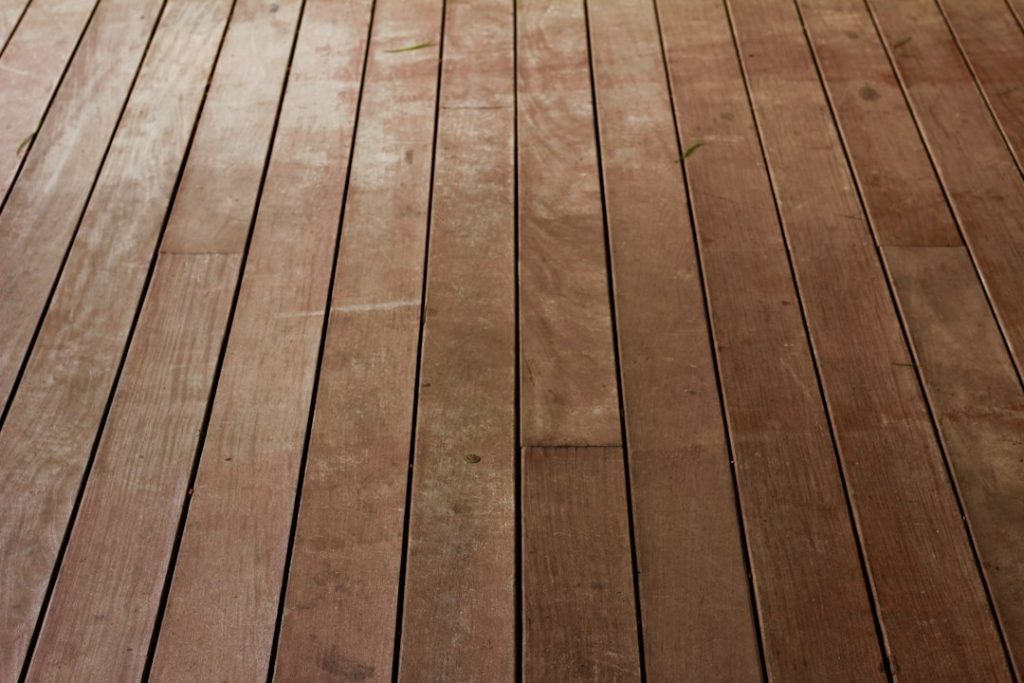
The choice between wood and composite decking is often the first major decision homeowners face when planning an outdoor living space. While both offer a platform for relaxation and entertainment, their performance, particularly concerning resistance to rot and heat retention during scorching summer months, diverges significantly. This analysis dives deep into the core differences, real-world performance, and long-term value to equip you with the knowledge needed for an informed decision in 2026.
The Core Debate: Natural Wood vs. Engineered Composites
At its heart, the comparison boils down to nature versus engineering. Traditional wood decking harnesses the inherent beauty and warmth of natural materials, offering a classic aesthetic that many find irreplaceable. Composite decking, on the other hand, represents a modern approach, utilizing a blend of wood fibers and plastics to create a material engineered for enhanced durability and reduced maintenance. Understanding the fundamental composition of each is crucial to appreciating their differing strengths and weaknesses.
Understanding Traditional Wood Decking: Pros, Cons, and Inherent Weaknesses
Wood decking, predominantly using species like pressure-treated pine, cedar, redwood, or tropical hardwoods like Ipe, offers a distinct natural beauty. The grain patterns, unique color variations, and the organic feel are its primary appeals. Pressure-treated pine, the most budget-friendly option, is infused with chemicals to resist rot and insects. Cedar and redwood possess natural oils and tannins that provide a degree of inherent resistance, though they are softer woods. Tropical hardwoods are exceptionally dense and durable but come at a premium price point.
However, the inherent weakness of all wood is its organic nature. It is susceptible to moisture absorption, which can lead to swelling, warping, and, critically, rot. Fungal growth thrives in damp wood, breaking down its structure. Furthermore, wood is a favorite food source for termites, carpenter ants, and other wood-boring insects. UV exposure also degrades wood over time, causing it to fade, splinter, and become brittle if not regularly maintained.
Wood Decking: Key Traits
Pros:
- Natural aesthetic appeal and unique grain patterns.
- Generally lower initial cost, especially for pressure-treated pine.
- Can be stained or painted to achieve various colors.
- Softer underfoot compared to some composites.
Cons:
- Highly susceptible to rot, fungal decay, and insect infestation.
- Requires frequent maintenance (staining, sealing) to prevent damage.
- Prone to warping, cracking, and splintering over time.
- Can absorb significant heat, leading to hot surfaces in summer.
Decoding Composite Decking: Materials, Manufacturing, and Promises
Composite decking is typically made from a blend of recycled wood fibers (sawdust, wood flour) and plastics (polyethylene, polypropylene, or PVC), along with binding agents and UV inhibitors. This engineered material aims to replicate the look of wood while offering superior resistance to the elements and reduced maintenance. Composites fall into two main categories: older, “first-generation” composites made from a wood-plastic blend that are more porous, and newer “capped” or “co-extruded” composites. Capped composites feature a durable outer shell (the cap) made of a harder plastic, which provides a significant barrier against moisture, stains, and fading.
The manufacturing process fuses these components under heat and pressure, creating boards that are dimensionally stable and designed to withstand environmental challenges. The promise of composite decking lies in its minimal maintenance requirements – no staining or sealing needed – and its engineered resistance to rot, decay, and insect damage. The plastic component in the composite matrix effectively denies sustenance to fungi and insects, while the dense structure limits water absorption, especially in capped varieties.
Composite Decking: Key Traits
Pros:
- Excellent resistance to rot, decay, and insect damage.
- Low maintenance: no staining or sealing required.
- Resistant to warping, cracking, and splintering.
- Available in a wide range of colors and finishes, often mimicking wood grain.
- Capped composites offer superior stain and fade resistance.
Cons:
- Higher initial cost compared to most wood options.
- Can retain heat, especially darker colors, leading to hot surfaces.
- Some older or uncapped composites can be susceptible to mold/mildew in damp, shaded areas.
- Can be heavier and harder to cut than wood.
- Aesthetics may not satisfy those seeking a purely natural wood look.
Head-to-Head: Rot Resistance Under Fire
The battle against rot is where the fundamental differences between wood and composite decking become most apparent. Rot is not just an aesthetic issue; it compromises the structural integrity of the deck, posing a safety hazard and necessitating costly repairs or complete replacement.
Wood Decking’s Battle Against Moisture, Fungus, and Insects
Wood’s organic structure makes it a veritable buffet for decay-causing organisms. Moisture is the primary catalyst, enabling fungi to break down the wood’s lignin and cellulose. Even pressure-treated lumber, while chemically enhanced, can eventually succumb to rot, especially at cut ends where the protective treatment might be compromised, or in areas that consistently retain moisture. Cedar and redwood offer better natural resistance than pine but are not immune. Insects like termites and carpenter ants are also drawn to wood, tunneling through it and weakening its structure from within. The constant exposure to rain, dew, and humidity creates an ongoing challenge for wood decks, requiring vigilant protection.

Composite Decking’s Shield: How Different Cores and Caps Handle Decay
Composite decking’s design inherently combats rot. The plastic component of the composite matrix is indigestible to fungi and insects. In capped composites, the durable outer shell acts as an additional formidable barrier. This cap is typically made from harder, more resilient polymers that resist scratching, staining, and moisture penetration. While uncapped composites (often older models or lower-tier products) might still allow some moisture absorption through the wood fibers, their plastic content significantly hinders the growth of rot-causing organisms compared to solid wood. Reputable manufacturers of capped composites offer lengthy warranties against rot and decay, often 25-50 years, reflecting their confidence in the material’s resilience.
Real-World Rot Scenarios: Case Studies & Expert Observations
Homeowners who neglect maintenance on wood decks frequently face premature failure. Areas in constant contact with soil or standing water are particularly vulnerable. Reports from deck builders consistently highlight instances of pressure-treated pine decks showing signs of rot within 10-15 years, especially if proper ventilation and drainage were not prioritized during construction or if sealing has failed. Conversely, composite decks, particularly premium capped options, often look structurally sound for decades. While some early uncapped composites experienced issues with mold and mildew on the surface due to moisture trapped in the wood fibers, modern capped designs have largely mitigated these concerns. Experts emphasize that even with composites, ensuring proper deck ventilation and avoiding trapped water is still good practice to maintain surface appearance and longevity.
Surviving the Summer Sun: Heat Retention Comparison
As temperatures soar, the surface temperature of a deck becomes a critical comfort factor. Bare feet, pets, and even furniture can be affected by a deck that absorbs and radiates excessive heat.
Surface Temperatures: Which Deck Burns Your Bare Feet?
Generally, darker colors absorb more solar radiation than lighter colors, regardless of the material. However, composite decking, especially in darker hues, tends to get hotter to the touch than most wood species. This is due to the plastic component and the dense, non-porous nature of capped composites, which trap heat efficiently. While pressure-treated pine might feel cooler initially, it can also develop a hot surface. Cedar and redwood, being less dense and more naturally insulating, often remain slightly cooler than darker composites. Studies and homeowner reports frequently indicate that composite deck surface temperatures can reach 150°F (65°C) or higher on a sunny summer day, compared to around 120-130°F (49-54°C) for lighter-colored wood or shaded areas.

Material Science of Heat: How Wood and Composites Absorb and Release Solar Radiation
Wood is a natural insulator with a porous structure. While it absorbs solar radiation, it also dissipates heat more effectively through evaporation and convection due to its cellular structure. This makes it somewhat more forgiving in direct sun. Composites, particularly PVC-based or densely packed wood-plastic blends, act more like thermal batteries. The dark pigments and plastic binders absorb sunlight, heating the material significantly. Because they are less porous and often have a solid cap, they retain this heat for longer periods, radiating it upwards. The rate at which heat dissipates depends on the specific formulation – solid PVC cores generally retain more heat than hollow cores or those with a higher wood-fiber content.
Mitigating Deck Heat: Shading, Ventilation, and Material Choices
Regardless of material, strategic design choices can mitigate heat buildup. Installing pergolas, awnings, or shade sails is the most effective method. Proper deck ventilation is also crucial; ensuring adequate airflow beneath the deck prevents heat from becoming trapped. When selecting composite decking, opting for lighter colors or those with enhanced heat-reflective technology can make a significant difference. Some manufacturers offer “cool-deck” technologies designed to reduce heat absorption. For wood decks, lighter stains and regular sealing can help reflect some sunlight.
Long-Term Value: Durability, Maintenance, and Cost Over a Decade
Beyond initial performance, the long-term value proposition of decking involves its lifespan, the effort and cost required for upkeep, and the overall financial investment.
Lifespan Expectations: Wood vs. Composite Decking Longevity
When properly maintained, a high-quality wood deck can last 15-25 years. Pressure-treated pine might be on the lower end of this spectrum, while hardwoods like Ipe can last 50 years or more. However, this longevity is contingent on diligent upkeep. Composite decking, especially premium capped varieties, typically boasts a lifespan of 25-50 years, often backed by manufacturer warranties. This extended durability is a key selling point, as it offers a more predictable and often longer-lasting investment.
| Material Type | Expected Lifespan | Typical Warranty | Maintenance Impact on Lifespan |
|---|---|---|---|
| Pressure-Treated Pine | 10-20 years | Varies (often limited) | High – requires regular sealing/staining |
| Cedar/Redwood | 15-25 years | Varies (often limited) | High – requires regular sealing/staining |
| Tropical Hardwoods (Ipe) | 25-50+ years | Rarely offered | Moderate – oiling preserves color, but structure is durable |
| Uncapped Composite | 15-25 years | 10-25 years (limited) | Low – surface cleaning |
| Capped Composite | 25-50+ years | 25-50 years (comprehensive) | Very Low – surface cleaning |
Maintenance Regimens: Staining, Sealing, and Cleaning Demands
Wood decks demand a significant maintenance commitment. Annual cleaning is essential, followed by periodic restaining or resealing – typically every 1-3 years for softwoods and perhaps every 3-5 years for hardwoods. This involves washing, sanding (sometimes), applying a protective finish, and waiting for it to dry. Failure to maintain can lead to accelerated deterioration. Composite decks, by contrast, require minimal upkeep. Regular sweeping and occasional washing with soap and water are usually sufficient to keep them looking good. For stubborn stains or mold on capped composites, specific cleaning solutions are available, but the need for deep protective treatments is eliminated.

The True Cost: Initial Investment vs. Lifetime Expenses
The initial cost of wood decking varies widely. Pressure-treated pine is the most affordable, often ranging from $3-$7 per square foot installed. Cedar and redwood are mid-range at $6-$12 per square foot. Tropical hardwoods like Ipe can climb to $15-$30 per square foot. Composite decking generally starts higher, with uncapped or basic models at $7-$15 per square foot, and premium capped composites ranging from $10-$25+ per square foot installed. While the upfront cost for composite is often higher, the significantly lower maintenance costs over its longer lifespan can make it more economical in the long run. For a typical 500 sq ft deck, the lifetime cost of a wood deck (including regular refinishing and eventual replacement) can often exceed that of a composite deck, even with its higher initial price tag.
Making Your Choice: Key Considerations for Homeowners
Selecting the right decking material involves balancing various factors against your specific needs and priorities.
Prioritizing Rot Resistance: When Durability Trumps All
If your primary concern is long-term resistance to rot, moisture, and insects, composite decking is the clear winner. The engineered materials and protective capping provide a level of durability that natural wood simply cannot match without constant, intensive maintenance. This is particularly relevant for homes in humid climates, areas prone to termites, or for homeowners who desire a truly “set it and forget it” solution for their outdoor space.
Prioritizing Cool Decks: Essential for Sun-Drenched Climates
For homes that receive intense, direct sunlight for much of the day, especially in warmer climates, managing deck surface temperature is paramount for comfort. While no deck is entirely immune to heat, lighter-colored wood or specific light-colored composite options with heat-reflective properties will offer a more comfortable experience. Strategic shading solutions become non-negotiable in these scenarios, regardless of material choice.
Balancing Aesthetics, Budget, and Performance
The ideal choice often lies at the intersection of these three factors. If the natural, organic look of wood is non-negotiable and you’re prepared for the maintenance, wood might be suitable. If budget is the primary constraint, pressure-treated pine offers an accessible entry point, albeit with compromises. For those seeking a balance of high performance, low maintenance, and a long-term aesthetic that mimics wood but outperforms it in durability, premium capped composite decking represents a compelling option, despite its higher initial investment.
FAQ: Decoding Decking Decisions in 2026
Q1: Can composite decking still get mold or mildew?
While modern capped composites are highly resistant, mold and mildew can still grow on any surface if organic debris (leaves, pollen, dirt) accumulates and remains damp. Regular cleaning prevents this. Uncapped composites are more susceptible due to exposed wood fibers.
Q2: Is wood decking always cheaper than composite?
Initially, yes. Pressure-treated pine is significantly cheaper than most composites. However, when factoring in the cost of regular maintenance (stains, sealers, labor) and the shorter lifespan, the lifetime cost of wood can often exceed that of composite decking.
Q3: Which decking material is Best for coastal environments?
Composite decking generally performs better in coastal areas due to its resistance to salt spray, moisture, and insects. Wood decks in coastal environments require very frequent sealing to prevent rot and degradation from the harsh elements.
Q4: Can I install a composite deck myself?
Yes, composite decking can be installed by DIYers. However, it often requires specialized tools (like specific saw blades for cleaner cuts) and careful attention to fastening and gapping requirements, which can differ from wood. It’s generally heavier and can be harder to maneuver than wood.
Q5: Which decking material is better for high-traffic areas?
Both high-quality wood (like hardwoods) and composite decking can withstand high traffic. However, composites, particularly those with robust capping, offer superior scratch resistance and are less prone to splintering or gouging over time, making them a slightly better choice for very heavy use.
Q6: How does the heat retention of composite decking compare to wood in direct sun?
Darker composite decking typically gets hotter to the touch than most wood species, especially lighter-colored woods like cedar or redwood, because it absorbs and retains more solar heat. Lighter composite colors or those with heat-reflective technology can mitigate this effect. Proper ventilation and shading are crucial for comfort with either material in full sun.
👑 Ultimate Winner: Capped Composite Decking (for most homeowners in 2026)
For the majority of homeowners in 2026 seeking a balance of longevity, minimal maintenance, and robust resistance to rot and decay, capped composite decking emerges as the superior choice. Its engineered durability significantly reduces the lifelong burden of maintenance associated with wood, offering a predictable, long-term investment. While the upfront cost is higher, the extended lifespan and freedom from constant upkeep often make it more economical over time. Its resistance to moisture, insects, and weathering ensures a stable, safe, and attractive outdoor living space for decades. Homeowners prioritizing a purely natural aesthetic or the lowest possible initial budget may still opt for wood, but must be prepared for the associated maintenance commitment and shorter lifespan. Those in extremely hot, sunny climates should carefully select lighter colors or specialized heat-reflective composite options, and always incorporate shading solutions for optimal comfort.